Cervical Spinal Fusion Surgery Services & Care in Los Angeles, CA
If your cervical spine has lost its stability, it may become difficult for you to reach, lift, or even sleep. However, now you can relieve your nerve compression to move freely without any difficulty by having a cervical spinal fusion surgery by a board-certified, dual fellowship-trained neurosurgeon in Los Angeles, Dr. Albert Wong.
- What It is
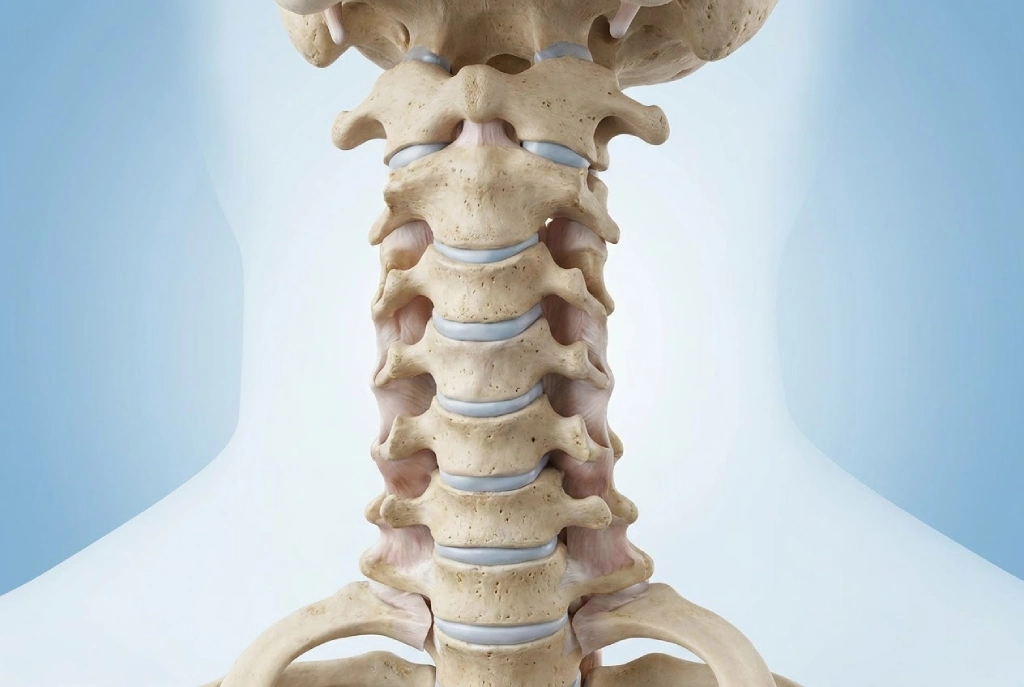
Understanding Cervical Spinal Fusion Surgery
Identifying the surgical goal, the surgeon reviews imaging, nerve involvement, and symptom patterns carefully before any incision. Every cervical fusion surgery starts with a clear goal. Stability. Decompression. Or both, depending on what the neck actually needs.
How Cervical Spinal Fusion Works
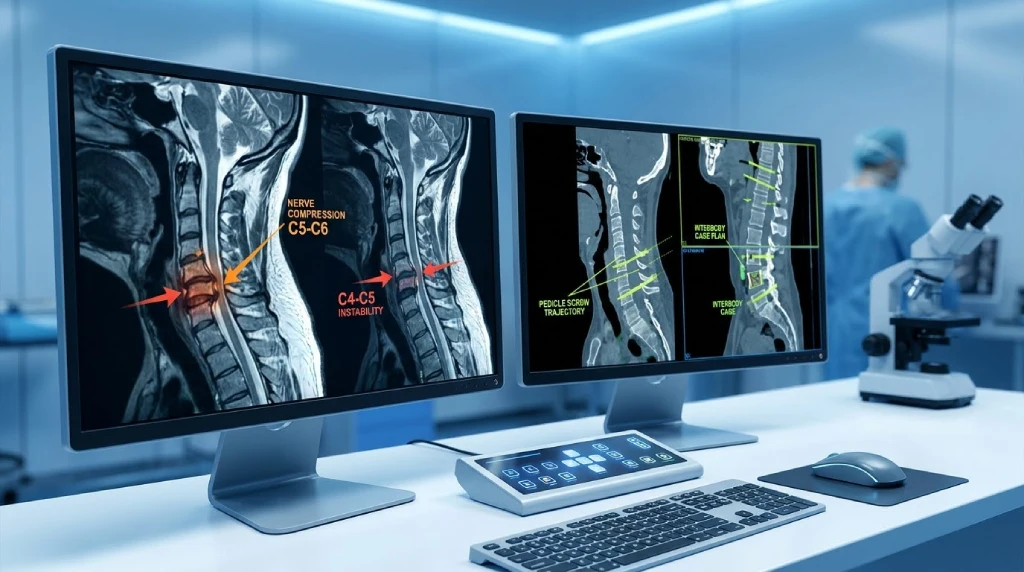
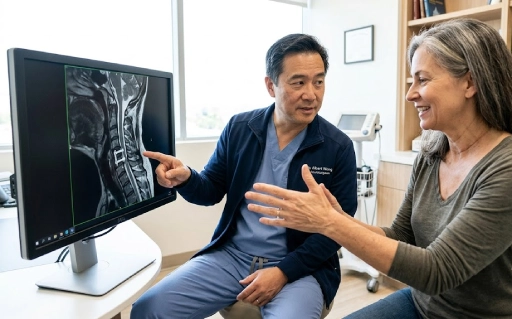
Finding the right level, surgeons confirm the exact level before they operate. They run an MRI test or other flexion-extension X-rays to get the full picture here.
- Reviewing MRI and CT imaging
- Mapping nerve compression locations
- Assessing cervical spine instability
- Comparing symptoms against scan findings
- Confirming fusion is appropriate
Accessing the Affected Neck Area
The surgeon reaches the cervical spine from the front, back, or side. Anterior cervical fusion approaches go through the front of the neck. Posterior approaches go through the back instead.
- Choosing an anterior or posterior approach
- Positioning the patient for safe access
- Protecting nerves and blood vessels
- Using image guidance for precision
- Minimizing soft tissue disruption
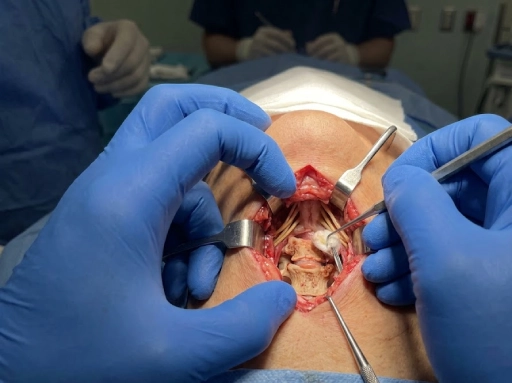
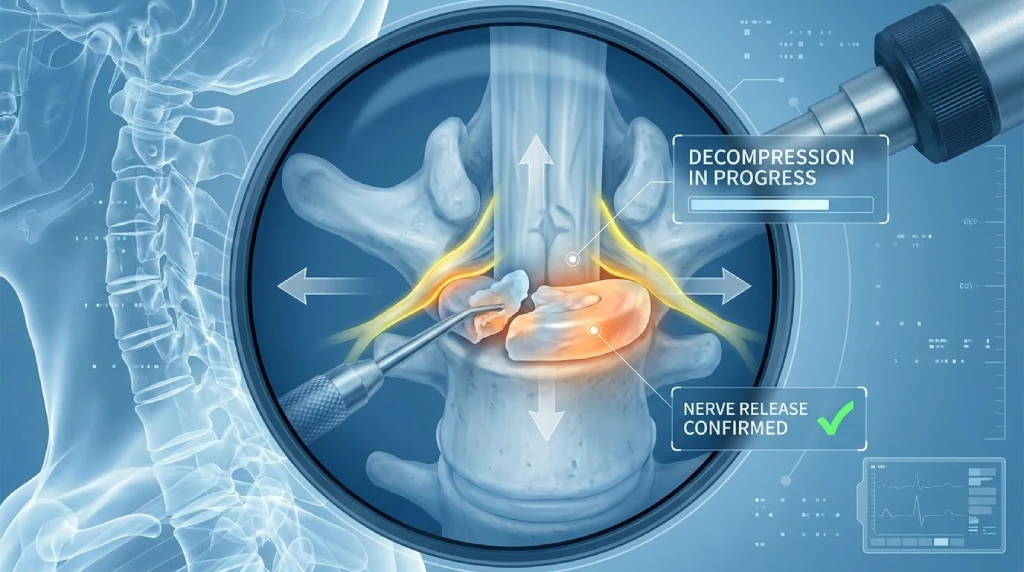
Removing Unstable or Damaged Tissue
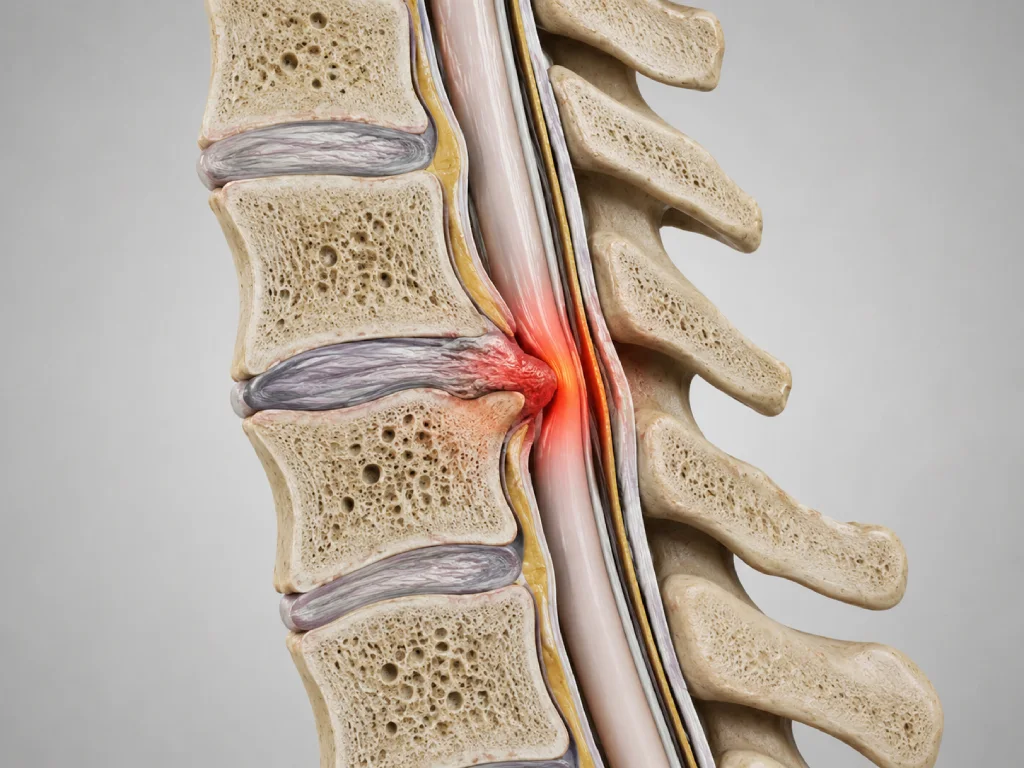
When a disc presses on a nerve, it is removed first. This step sits at the center of cervical discectomy and fusion, addressing the actual source of nerve compression before stabilization begins.
- Removing the disc
- Relieving pressure on nerve roots
- Clearing bone spurs when present
- Decompressing the spinal canal
- Confirming adequate nerve release
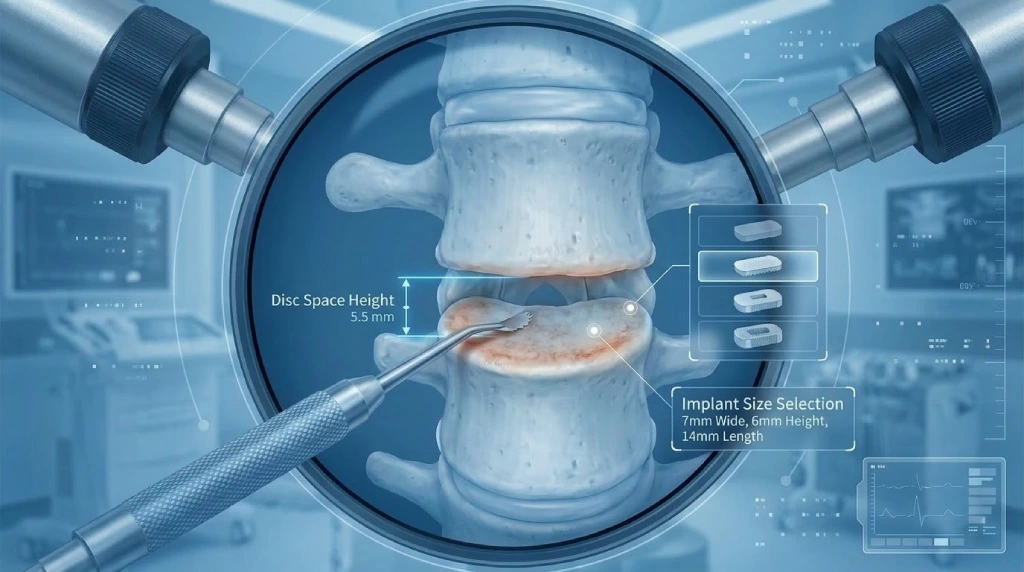
Preparing the Fusion Site
Once the disc space is clear, the surgeon prepares the surrounding bone surfaces. This step creates the environment bone graft material needs to bond properly across the treated level.
- Cleaning vertebral end plates
- Measuring disc space height
- Selecting the appropriate implant size
- Roughening bone surfaces slightly
- Preparing the site for graft placement
Placing Bone Graft Material
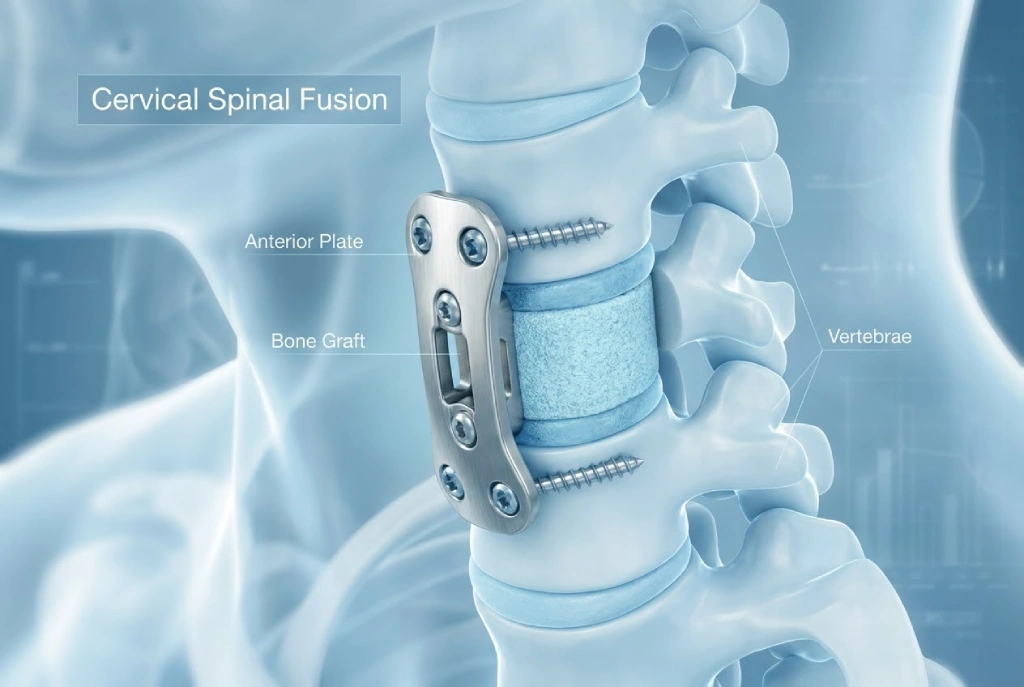
Bone graft material fills the disc space, encouraging new bone to grow between the vertebrae. This is the biological core of cervical bone fusion, the part that actually creates a solid segment.
- Placing a graft in the disc space
- Using patient or donor bone
- Sometimes adding synthetic graft material
- Packing graft for maximum contact
- Supporting future bone growth
Supporting the Spine With Instrumentation
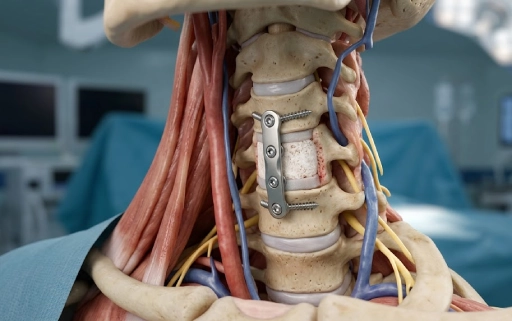
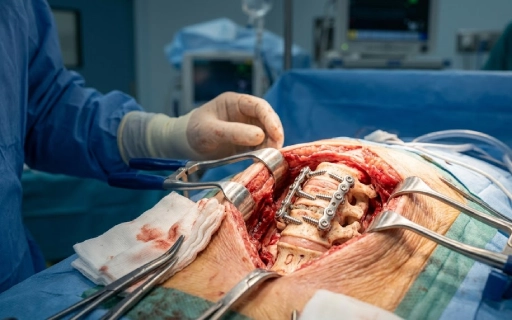
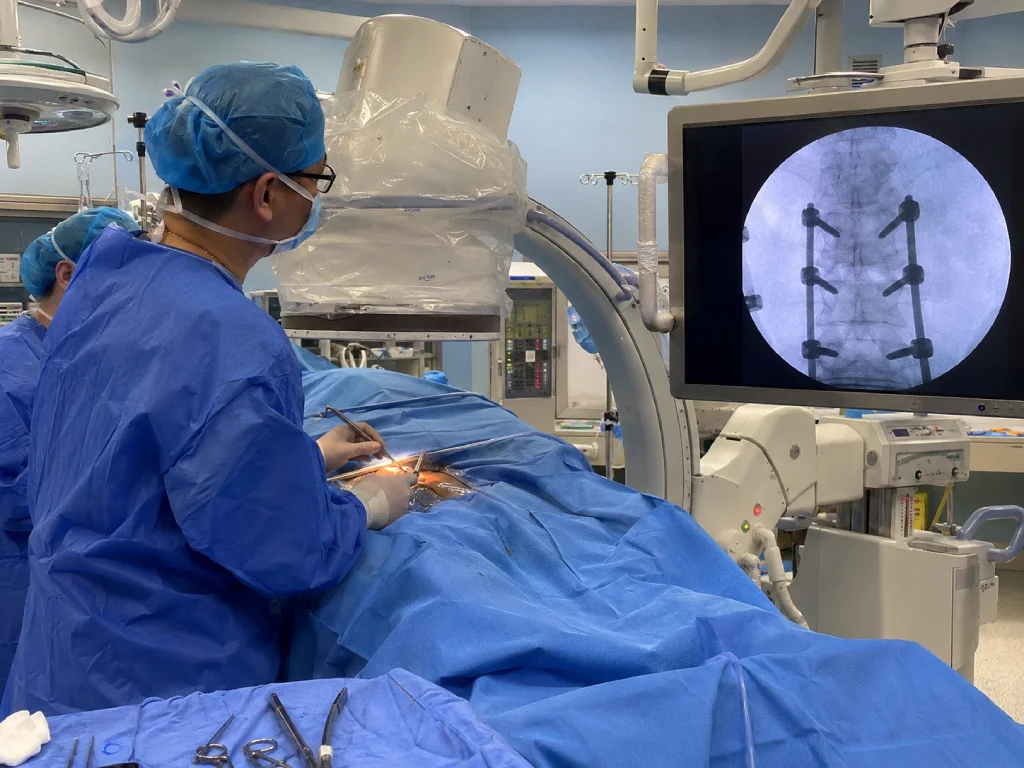
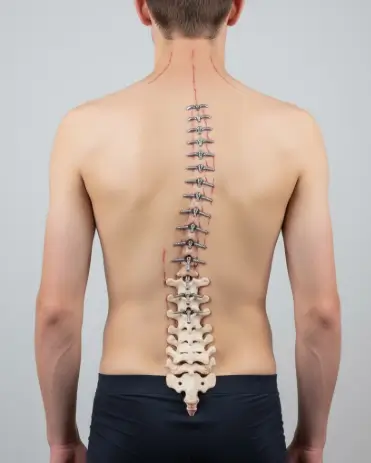
Hardware keeps the segment still while the bone heals. An anterior cervical fusion plate, or posterior rods and screws, holds the treated level in place, and together they support the spine during the months fusion actually takes to complete.
- Placing a plate or rod system
- Securing screws into vertebrae
- Stabilizing the treated segment
- Preventing movement during healing
- Confirming placement with imaging
Starting the Bone Fusion Process
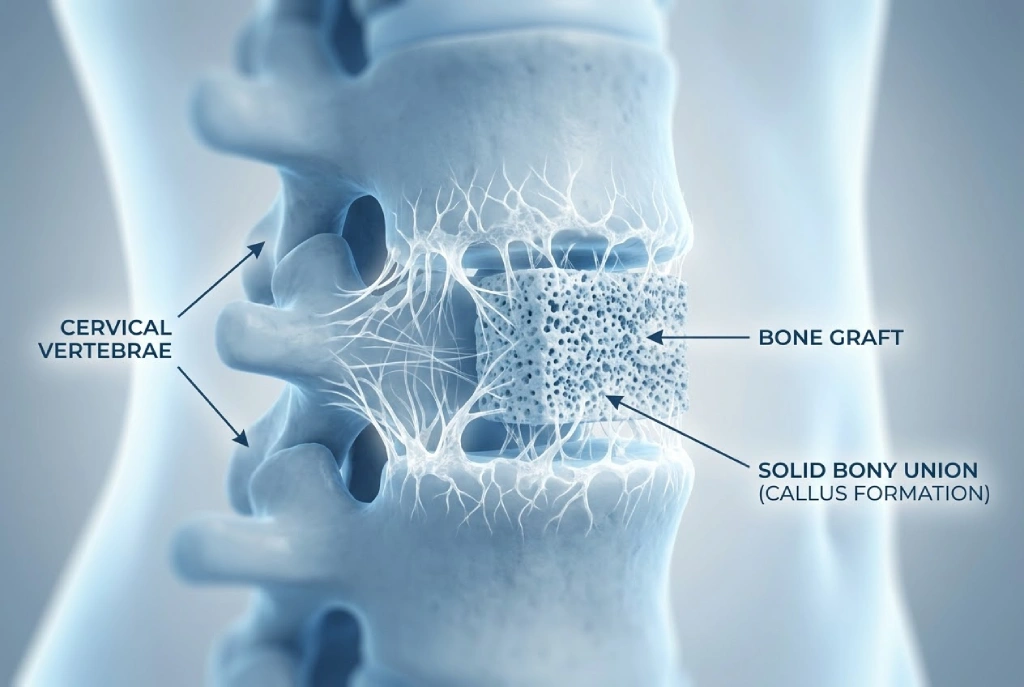
Surgery ends, but fusion is just getting started. New bone slowly bridges the treated vertebrae over the following months, gradually taking over as the primary source of stability.
- Beginning gradual bone formation
- Monitoring healing at follow-ups
- Confirming fusion through imaging
- Tracking progress over months
- Reaching solid bony union
- Cervical Levels
Common Cervical Fusion Levels
Not every neck problem happens at the same level. Some patients need a single-level procedure. Others need more than one level treated at once. Imaging and symptoms together determine which vertebrae actually require cervical fusion, and the surgical plan targets that specific level or levels.
C5-C6 Cervical Fusion
The C5-C6 level is one of the most common sites for neck disc problems, given how much motion happens there. Cervical fusion C5 C6 procedures are frequently performed to relieve arm pain, numbness, or weakness caused by nerve compression at this segment. A C5-C6 anterior cervical discectomy and fusion removes the damaged disc, then stabilizes the space with graft and hardware.
C6-C7 Cervical Fusion
C6-C7 sits at the base of the neck, where the cervical spine transitions into the upper back. An anterior cervical discectomy and fusion C6-C7 procedure addresses disc herniation or degeneration at this level, commonly causing symptoms in the hand and fingers. This C6-C7 anterior cervical discectomy and fusion approach follows the same principles used at other single-level segments.
Multilevel and Triple-Level Cervical Fusion
Some patients need treatment of more than one segment. Multilevel cervical spinal fusion addresses damage across two or more levels in a single surgery. Complex cases sometimes require triple neck fusion surgery, and recovery after this kind of extensive procedure tends to take longer, with a slower return to full strength.
- Procedure
Types of Cervical Fusion Procedures
No two neck fusions follow the identical path. The approach depends on where the problem sits, how many levels need treatment, and whether decompression must accompany stabilization. Surgeons select the technique based on each patient’s anatomy and diagnosis.
ACDF (Anterior Cervical Discectomy and Fusion)
Anterior cervical discectomy and fusion removes a damaged disc through the front of the neck, then stabilizes the space.
Posterior Cervical Fusion
Posterior cervical fusion stabilizes the spine from the back of the neck, typically reserved for multilevel or complex cases.
Cervical Laminectomy With Fusion
Cervical laminectomy with fusion removes bone to relieve spinal cord pressure, then stabilizes the decompressed segment.
Cervical Disc Replacement vs. Fusion
Cervical disc replacement vs fusion comes down to motion preservation versus stability, depending on the patient's condition.
Cervical Discectomy Without Fusion
Cervical discectomy without fusion removes disc material alone and is used only when the segment remains stable afterward.
- Benefits
Benefits of Cervical Spinal Fusion Surgery
Patients considering this surgery usually want one thing. Relief that lasts. Cervical spinal fusion addresses nerve compression and instability directly, rather than just managing symptoms along the way. Results vary by patient, but the surgery aims to restore function, reduce pain, and protect the spine from further damage over time.
Relief From Nerve Compression
When a herniated disc or bone spur presses on a nerve root, arm pain, numbness, and weakness commonly follow. Removing that pressure is frequently the first goal of surgery.
Fusion supports the treated level once decompression is complete, helping prevent the same nerve from becoming compressed again as the spine heals.
- Reduced nerve root pressure
- Improved arm and hand symptoms
- Support the following decompression procedures
Improved Cervical Stability
Some necks move in ways they should not. Excessive motion at a damaged level can itself become a source of ongoing pain and nerve irritation.
Fusion eliminates that abnormal motion by joining the affected vertebrae, creating a stable foundation the rest of the spine can rely on.
- Reduced abnormal segment motion
- Stronger structural spine support
- Protection against further degeneration
Correction of Spinal Alignment
Degeneration and instability can gradually shift how the neck sits. Left alone, that misalignment sometimes worsens and adds new pressure on nearby nerves.
Fusion helps restore appropriate alignment at the treated level, giving the cervical spine a more stable, supported position going forward.
- Restored vertebral alignment
- Reduced strain on adjacent levels
- Long-term postural support

Long-Term Functional Support
Pain relief matters, but so does what happens after. Patients want to return to work, sleep comfortably, and move without constantly worrying about their neck.
Fusion gives the treated segment lasting stability, supporting daily function well past the initial recovery period.
- Support for daily activities
- Reduced instability-related symptoms
- Long-term structural reinforcement
- Recovery
Cervical Spinal Fusion Recovery
Cervical spinal fusion recovery happens in stages, not all at once. Early healing focuses on pain control and incision care. Later stages focus on strength, physical therapy, and confirming the fusion itself. Cervical fusion recovery time varies by patient and by how many levels the surgery treated.
01
Hospital Stay
Many single-level procedures allow same-day or next-day discharge. Multilevel or posterior cases sometimes require a longer hospital stay.


02
Early Home Recovery
Patients manage pain and swelling at home. A neck brace may be worn. Activity stays limited during this window.
03
Transition and Formal Physical Therapy
Physical therapy after neck fusion surgery typically begins once the surgeon confirms initial healing, with a focus on gentle mobility and strength.

04
Strengthening and Functional Phase
Exercises after cervical spinal fusion progress toward functional strength.
05
Bone Fusion Consolidation
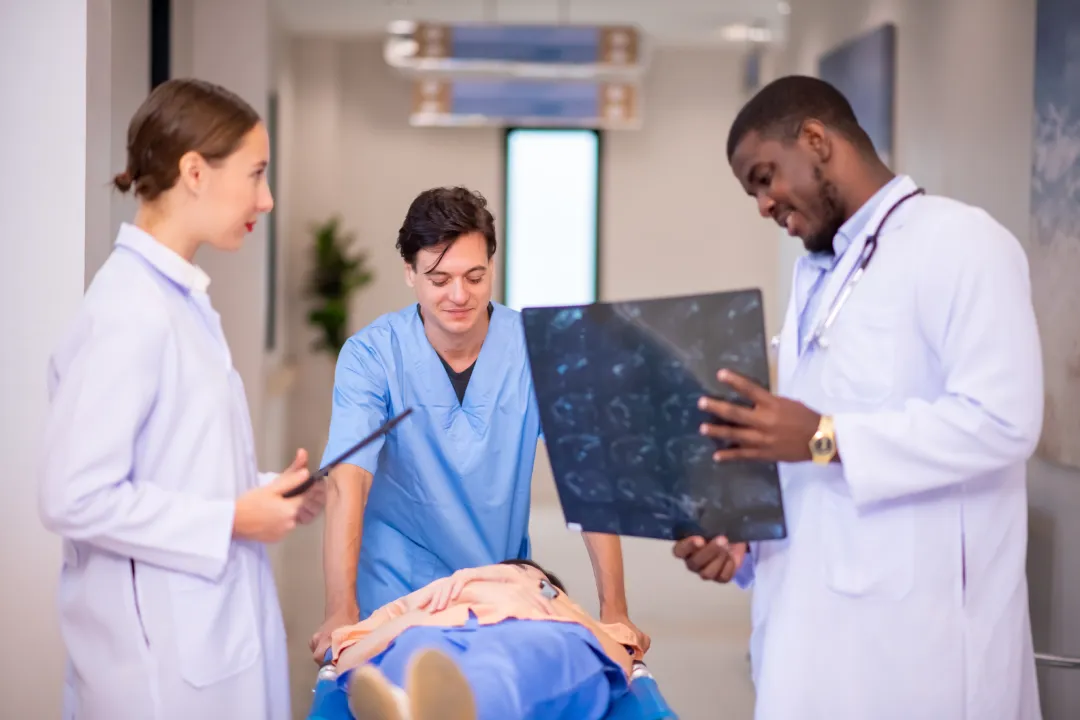
Imaging confirms how well the graft has bonded. This stage shows whether the treated level is reaching solid fusion.
06
Long-Term Maintenance and Final Confirmation
Full recovery from cervical fusion can take up to a year. Continued follow-up visits track the long-term effects of cervical spinal fusion.
- Why Choose us
Why Patients Travel for Our Surgical Care
Patients travel from across Los Angeles and other places to us as we have experience, technology, and our team gives sincere care to our clients that matters more than distance. For this reason, when your back is at stake, choosing the right surgeon is necessary because experience like ours is not available everywhere.
Experienced, Board-Certified Expertise
A board-certified spine surgeon with decades of experience brings judgment that training alone can't replicate. Complex cases, multiple fused levels, and revision surgeries call for that depth of hands-on skill.
- Decades of dedicated spine surgery
- Fellowship-trained in advanced techniques
- Experience with complex, multilevel cases
Advanced Surgical Technology
Robotic navigation, augmented reality, and endoscopic tools support precision during cervical fusion surgery. Smaller incisions can mean less tissue disruption and a smoother recovery.
- Robotic-assisted surgical navigation
- Endoscopic and minimally invasive options
- Outpatient options for eligible patients
Personalized, Ongoing Care
Every neck is different. Every patient gets a plan built around their imaging, symptoms, and goals, not a standard template applied to everyone who walks in.
- Individualized surgical planning
- Direct access to the surgeon
- Support through the full recovery process
- Area We Serve
Cervical Spinal Fusion Surgery Serving Los Angeles & Nearby Areas
Patients travel to Wong Spine from throughout Los Angeles and neighboring communities for cervical spinal fusion surgery and advanced neck care. Dr. Albert Wong performs cervical spinal fusion using robotic-assisted, minimally invasive techniques focused on stability, function, and long-term recovery outcomes.
- Patient Testimonial
What Our Patients Say
Patients describe feeling heard during consultations, with real answers instead of rushed appointments. Many mention how clearly the surgical team explained each step of their care.
EXCELLENTTrustindex verifies that the original source of the review is Google. When I went to see Dr. Wong, my spinal cord was 85% compressed at the T12 level and I had multiple issues in my lumbar spine, my back from T11 to S1 was failing me. I needed the assistance of a walker to walk and balance. I had a previous surgery with another surgeon and it was deemed as failed, my situation was not good. Dr. Wong literally rebuilt my spine from T11 to S1, if it weren’t for Dr. Wong and his incredible team, I would probably be in a wheelchair right now. Dr. Wong is a gifted surgeon who sincerely cares about his patients and the work he does. I am forever grateful and consider myself very fortunate and blessed to be his patient. Thank you Dr. Wong and team for giving me hope again.Posted on GoogleTrustindex verifies that the original source of the review is Google. Dr. Albert Wong is one of the BEST neurospine doctors in California! He really cares about patient care, he takes his time to listen and explain everything clearly. He builds trust with his patients. He has help so many patients get their life back, just one of the best doctors. Dr. Wong will make the time for his patients. Definitely recommend him!Posted on GoogleTrustindex verifies that the original source of the review is Google. Dr Wong is an amazing doctor! Dr Wong’s expertise and bedside manners are top notched. He is a tremendous surgeon as well. I would highly recommend Dr Wong as your ortho.Posted on GoogleTrustindex verifies that the original source of the review is Google. Dr. Albert Wong quite literally saved my life. I suffered from a quarter sized brain bleed and was rushed into emergency surgery. He not only allowed me to keep my hair and only shaved right where the surgery was performed, but he did such an amazing job. The area where I had surgery was numb for the first couple of months and I'm happy to report I have all feeling back in the designated area. Truly could not recommend him enough. He's also one of the kindest people I've ever had the pleasure of knowing. Would recommend him TENFOLD to anyone needing surgery.Posted on GoogleTrustindex verifies that the original source of the review is Google. I had back surgery, it was a successful procedure. Great bedside manner, great follow-up.Posted on GoogleTrustindex verifies that the original source of the review is Google. I’ve had surgery With Dr. Wong twice Once on the cervical and other was my spine. I had nothing but a great experience with him and his staff considering it was major surgery I’ve never felt better and I’m back to doing all the things I love but was unable to do before. Thank you Dr Wong 🙏🏻Posted on GoogleTrustindex verifies that the original source of the review is Google. Dr Wong is an exceptional, talented surgeon who cares deeply for his patients. Highly recommend!Posted on GoogleTrustindex verifies that the original source of the review is Google. Dr. Wong is an exceptional physician… thorough, knowledgeable, and compassionate. He listens and explains everything clearly. His attention to detail is unmatched. I trust him completely as he has greatly improved my life.Posted on GoogleTrustindex verifies that the original source of the review is Google. Dr Wong is an amazing Surgeon who was very thorough and explained in detail what my condition was and what to expect from surgeryPosted on GoogleTrustindex verifies that the original source of the review is Google. Dr. Wong has been helping me with sciatica issues for a long time. He’s very thoughtful with his care and I appreciate his thoroughness. My pain is much more manageable and he’s a big reason. Thank you Dr. Wong!
- Faqs
Frequently Asked Questions
Cervical fusion surgery raises a lot of practical questions. Here are clear answers covering recovery, risks, costs, and what patients commonly want to know before moving forward with treatment.
Cervical fusion surgery, sometimes called cervical spine fusion or neck fusion surgery, joins two or more neck vertebrae into one stable segment using bone graft and hardware, addressing instability or nerve compression. Patients also search for this as fusion surgery for the neck.
Cervical spinal fusion surgery complications are uncommon but can include infection, hardware issues, or incomplete fusion. Discussing individual risk factors with your surgeon beforehand helps set realistic expectations.
The risks of cervical spinal fusion surgery include nerve injury, bleeding, adjacent segment changes, and rare cases of nonunion. The surgical team reviews these risks individually during consultation, based on each patient's specific case.
Symptoms of cervical spinal fusion failure may include returning neck pain, new arm symptoms, or a sense of instability months after surgery. Imaging confirms whether nonunion has occurred.
ICD-10 codes for cervical fusion vary by procedure type, level treated, and whether the case involves revision surgery. Your surgical team assigns the correct code based on your specific procedure.
Multilevel cervical spinal fusion treats more than one vertebral segment during a single surgery, sometimes including triple neck fusion surgery for patients with multiple damaged levels.
Posterior cervical fusion approaches the spine from the back of the neck and is typically used for multilevel disease or certain deformity cases.
Neck fusion surgery cost depends on the number of levels treated, surgical approach, and facility fees. Insurance coverage and individual factors also affect the final cost, including cases involving anterior cervical discectomy and fusion, the cost of surgery.
Cervical stim spinal fusion therapy cost varies by provider and insurance plan. This bone growth stimulation therapy is sometimes recommended to support healing in specific cases.
Cervical fusion exercises to avoid include heavy lifting, high-impact activity, and extreme neck rotation until your surgeon confirms the fusion has adequately healed.
An anterior cervical fusion scar is typically small and located in a natural neck crease, and it tends to fade significantly within several months after surgery.
Pain after posterior cervical fusion tends to be more noticeable than with anterior approaches, given the muscle involved, though pain management protocols help control discomfort during early recovery.
After anterior cervical discectomy and fusion surgery, expect some throat discomfort, activity restrictions, and a gradual return to normal function over the following weeks and months.
- Visit Our Beverly Hills Office
Schedule a Consultation for Cervical Spinal Fusion Surgery
Take the first step toward lasting neck relief. Dr. Albert Wong offers cervical spinal fusion and lumbar spinal fusion under our spinal fusion surgery program. Schedule your personalized Beverly Hills consultation today.