Laminectomy Surgery in Los Angeles
When Chronic back or neck pain from nerve compression wears a person down, Laminectomy surgery gives many patients lasting relief from it. Dr. Albert Wong, a specialist in this procedure, has assisted numerous patients in regaining comfort and mobility by relieving pressure on the spinal cord and nerve roots through minimally invasive access whenever the anatomy permits.
No patient can have a sudden onset of nerve pain. Month by month, it gets worse. If you have already tried physical therapy, medication, or injections and did not have any lasting results, then laminectomy back surgery offers a viable option.
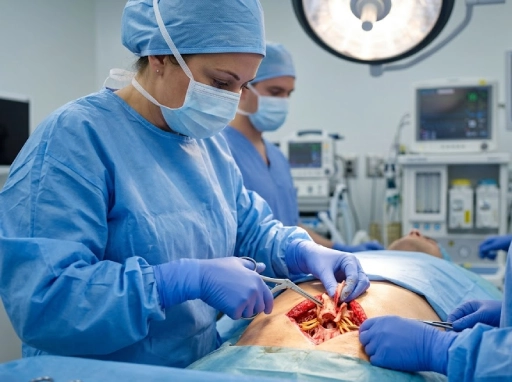
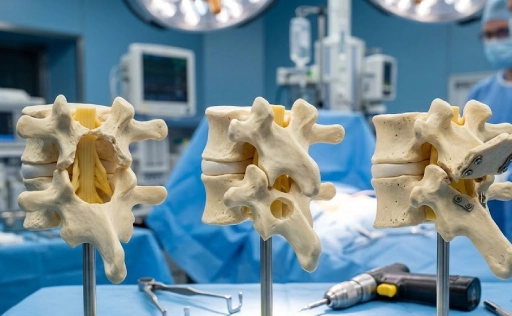
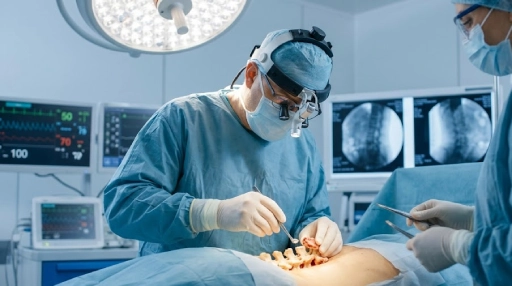
- laminectomy surgery
What Is a Laminectomy Surgery
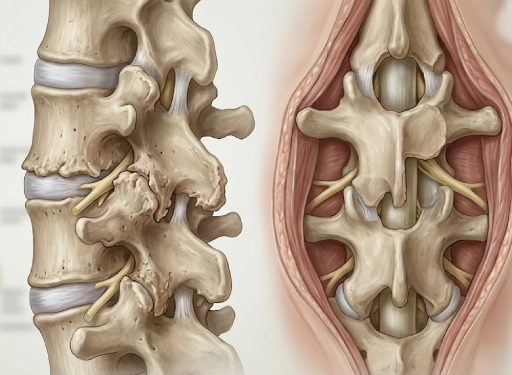
Laminectomy spine surgery takes out part or all of the lamina. That is the bony arch covering the back of the spinal canal. Take it away, and the spinal cord and nerve roots get more room to sit. Most patients who look into this procedure already carry leg pain, arm numbness, or a stenosis diagnosis that just will not go away. They tried physical therapy. They tried medication. Injections too, sometimes. None of it held. A laminectomy will not repair a damaged disc. It does not join vertebrae together either. Just one job here, relieving pressure on nerves so they get a real chance to recover. People mix it up with spinal fusion a lot. Truth is, the two are not close to the same thing.
How It Works
Here is the thing, narrowing builds up slowly in the spine, bone spurs, thickened ligament, a bulging disc, crowding the canal. Nerves start getting squeezed, and that pressure does not stay quiet. The surgeon removes the lamina at that level, and sometimes the ligament too. Some people feel relief fast. Others wait longer, especially if the nerve sat under pressure for years.
- Bone spurs crowd the canal
- Nerves get squeezed slowly
- Surgeon removes lamina, sometimes ligament
- Pressure lifts, nerves start healing
- The relief timeline varies by patient
Minimally Invasive vs Open Laminectomy
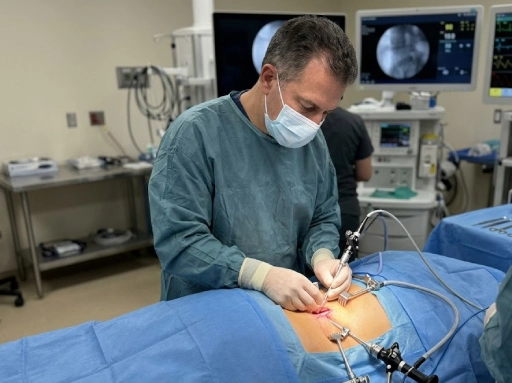
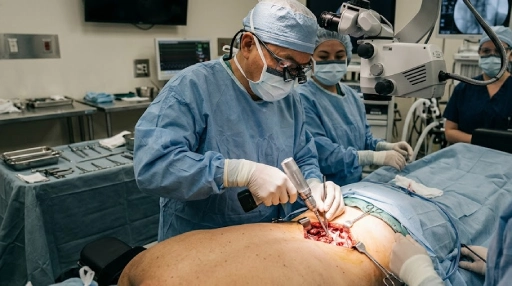
Now, there are two ways to get this done in surgery, and the choice depends on the case at hand. Open laminectomy means a bigger cut. The surgeon gets a full view this way, and tough multi-level cases still need it. Minimally invasive works through smaller tools, less cutting, and patients often get home faster.
- Open uses a larger incision
- Full view, complex cases needed
- Minimally invasive uses smaller tools
- Less muscle disruption, less bleeding
- Same-day discharge, often
Laminectomy vs Laminotomy vs Laminoplasty
Three terms, one root word, and patients mix them up more than you would think. Laminectomy takes out the whole arch. Laminotomy takes a smaller piece instead, leaving more bone behind. Laminoplasty skips removal. The surgeon hinges the bone open instead. Same goal in the end, just a different amount of bone left in place.
- Laminectomy removes the whole arch
- Laminotomy removes a smaller piece
- Laminoplasty hinges the bone open
- All three relieve nerve pressure
- Bone left behind affects stability
- Conditions
Conditions Treated With Laminectomy Surgery
Most back and neck pain gets better without surgery, honestly. Surgery becomes an option when a nerve is actually pinched rather than just irritated. Imaging, symptoms, and physical exam findings all play into deciding the next step. So does how much the condition has changed over time.
Spinal stenosis is what happens when the canal around the spinal cord starts narrowing. Nerves lose their room. Walking gets harder. Standing too long starts to hurt. Sitting brings relief for many patients. Bending forward helps too. Laminectomy opens that space back up. It is one of the most direct treatments once therapy stops helping.
A herniated disc presses right on a nerve root, and that is where the trouble starts. Pain travels from there, down an arm or a leg, depending on the level involved. Some patients call it burning. Others say it feels electric. Conservative care helps many patients. When it does not, laminectomy often pairs with a discectomy. Both problems are treated in one surgery.
Bone Spurs and Degenerative Changes
Facet joints wear down with age. Sometimes the body grows extra bone there, bone spurs. That extra bone crowds the space nerves need. Laminectomy removes enough of it to open that room again. Many patients do not need a larger fusion procedure on top of it.
- Benefits
Benefits of Laminectomy Surgery
Patients undergoing this procedure care less about the surgery itself and more about the outcome. Laminectomy surgery relieves pressure on compressed nerves, which is the change that matters: reduced pain, restored movement, and daily activities that no longer feel out of reach.
Relief From Nerve Pressure and Pain
Nerve pressure is the whole problem behind most stenosis and disc cases. Once the lamina comes out, that pressure finally has somewhere to go instead of building up further.
Patients typically notice less pain radiating down an arm or leg after healing begins. Numbness and tingling often ease too, sometimes within days of the surgery itself.
- Reduced radiating arm or leg pain
- Less numbness and tingling
- Faster nerve recovery in many cases


Improved Mobility and Daily Function
Chronic nerve pain limits movement long before most patients realize it is happening. Walking shorter distances, avoiding stairs, and sitting more often all become normal habits over time.
Once that pressure lifts, many of those limits start loosening again. Patients often regain the ability to walk further and move through daily routines with far less hesitation.
- Improved walking tolerance
- Easier to stand for longer periods
- Better sleep once nerve pain settles
Minimally Invasive Options
Not every laminectomy requires a large open incision anymore, which surprises a lot of patients. Smaller access points and modern tools now make minimally invasive options possible for many.
Less muscle disruption during surgery means less soreness once healing starts. A lot of patients qualify for a shorter hospital stay because of it; sometimes they get released the same day.
- Smaller surgical incisions
- Less muscle disruption
- Shorter hospital stay for some patients
Lower Risk of Nerve Damage Progression
Untreated nerve compression does not usually stay the same over time, unfortunately. Left alone, it can slowly worsen, sometimes leading to permanent weakness or lasting numbness.
Addressing that pressure earlier through laminectomy lowers this risk considerably. Nerves given room to recover tend to hold onto that recovery well into the long term.
- Lower risk of permanent nerve damage
- Reduced chance of worsening weakness
- Long-term symptom stability for many patients
- Who Needs
Who May Need Laminectomy Surgery?
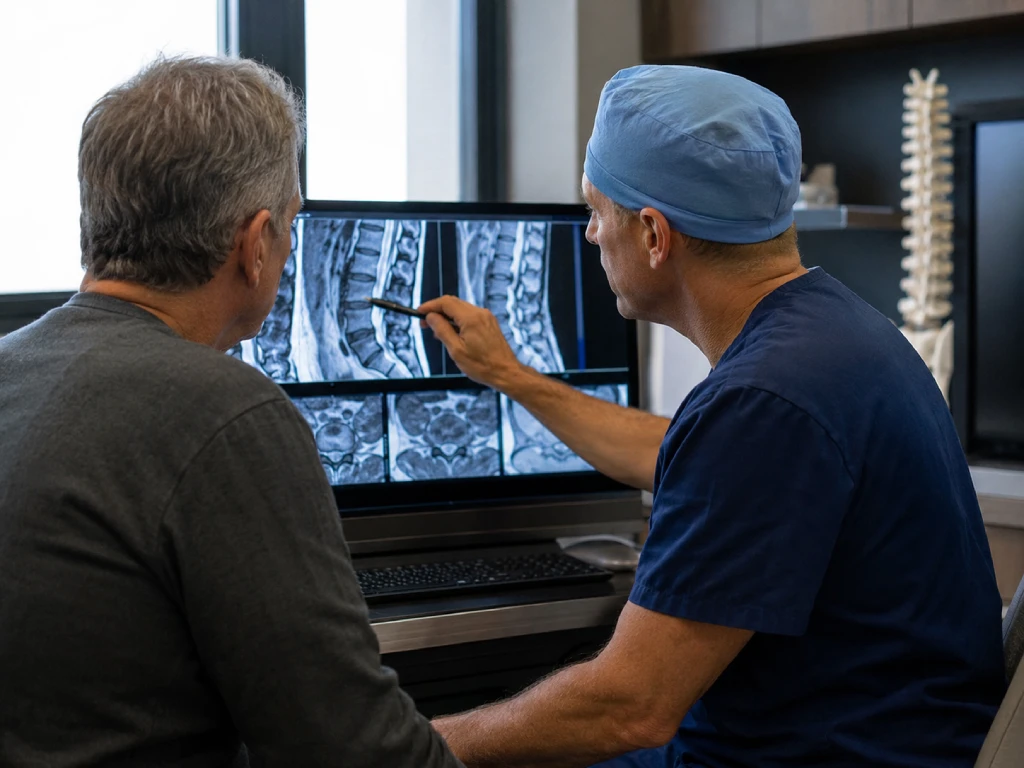
An abnormal MRI does not mean a patient needs surgery, as plenty of scans show narrowing or a bulging disc that never causes a single symptom. Laminectomy comes up only once spinal nerves genuinely run out of room, and pain, numbness, weakness, or trouble walking start outweighing the scan report itself. How long symptoms have lasted and how much they interfere with daily life usually decide more than imaging does.
Leg Pain From Spinal Stenosis
Standing too long or walking a short distance brings on leg heaviness for most stenosis patients. Sit down, lean forward, and the pain eases fast. Although scan severity does not always match symptom severity. A study of 109 stenosis patients found multilevel narrowing predicted better health scores than single-level narrowing, despite less canal space on MRI.
Pinched Nerve Symptoms
Sharp pain traveling down an arm or leg, tingling, a weak muscle, a reflex that will not fire right, these point toward a pinched nerve. Insurance follows similar logic. Aetna, for instance, requires moderate to severe compression on imaging, not mild findings, along with matching nerve symptoms at that level.
After Non-Surgical Treatment Fails
Most patients try physical therapy, medication, and injections long before anyone mentions surgery. Weeks turn into months. Walking gets harder instead of easier, or pain starts dictating the day. A four-year study found full improvement in just over a third of patients, while nearly one in ten saw no benefit at all.
- Procedure
Types of Laminectomy Surgery
Laminectomy surgery is not one fixed procedure. It changes based on where the compression sits in the spine and how much bone the surgeon actually needs to remove to relieve that pressure properly.
Cervical Laminectomy Surgery
The neck is the target here, usually levels C4 through C7, where pressure builds directly against the spinal cord itself.
Lumbar Laminectomy Surgery
This is the most common version, treating the lower back, most often around L4-L5, where stenosis tends to develop first.
Thoracic Laminectomy Surgery
This one is rare. The mid-back gets treated here, usually for tumors or fractures sitting near levels T8-T12.
Hemi-Laminectomy Surgery
Only half the lamina comes out here, enough to treat compression limited to one side of the canal.
- Recovery
Recovery After Laminectomy Surgery
You will not feel back to normal the next day, and that is expected. Recovery unfolds in stages instead: early healing, growing activity, physical therapy, and finally a full return to daily life. Most patients notice real progress within six to eight weeks. Full recovery, depending on age, overall health, and how many spinal levels needed treatment, generally takes two to six months.
01
Immediate Post-Op
Pain management and wound care come first here. Mobility increases slowly, and a follow-up visit happens within two weeks.


02
Early Recovery
Activity stays limited early on, mostly walking around the house. Desk-job patients commonly return to work within four weeks.
03
Intermediate Recovery
Physical therapy picks up here, with progressive strengthening and flexibility work. Many patients notice real improvement, and modified work duties begin.

04
Full Recovery
Most patients resume regular exercise and sports by now. Work capacity returns to full duty, nerve healing continuing quietly underneath.
- Why Choose Dr. Albert Wong
Why Choose Dr. Albert Wong for Laminectomy Surgery?
In laminectomy surgery, expertise is important. Because the outcome depends as much on the surgeon as on the procedures. Every recommendation made by Dr. Albert Wong is influenced by his years of specialized experience treating cases involving cervical, lumbar, and thoracic laminectomy. Advanced technology also plays a role, enabling smaller incisions and more precise outcomes when a patient's anatomy allows. Here, care remains individualized, which is equally important. We develop our treatment plans on the basis of each patient's imaging, symptoms, and objectives because no two spines are alike.
Advanced Surgical Expertise
Years spent treating complex laminectomy cases build real surgical judgment. Not the kind you get from textbooks. Patients notice it fast, usually right there in the first consultation, before surgery even comes up.
- Years of focused laminectomy experience
- Judgment built through complex cases
- Trusted results across laminectomy patients
Minimally Invasive Techniques
Smaller incisions during laminectomy surgery are possible now, thanks to modern tools and imaging. Surgeons disrupt less tissue this way. Healing moves faster for a lot of patients, and hospital stays shrink too.
- Smaller incisions where anatomy allows
- Modern imaging guides every laminectomy
- Faster healing, shorter hospital stays
Patient-Focused Care
The team builds every laminectomy plan around the person in front of them, not some fixed template. Patients hear honest answers to every question, and they stay in the loop through recovery, start to finish.
- Treatment plans built around you
- Honest answers to every question
- Support through every laminectomy recovery
- Area We Serve
Serving Patients Across Los Angeles and Surrounding Areas
Care here draws patients from all over Los Angeles. Some just need a straightforward spine surgery in Los Angeles. Others arrive after years of pain, needing laminectomy, spinal fusion, or a more complex combination of procedures. Dr. Wong builds each plan around the patient in front of him, not a fixed protocol, with an eye toward long-term stability rather than a quick fix.
- Patient Testimonial
What our patients says
Patients consistently report real pain relief and a smoother recovery than expected, and many highlight the care they get throughout treatment.
EXCELLENTTrustindex verifies that the original source of the review is Google. When I went to see Dr. Wong, my spinal cord was 85% compressed at the T12 level and I had multiple issues in my lumbar spine, my back from T11 to S1 was failing me. I needed the assistance of a walker to walk and balance. I had a previous surgery with another surgeon and it was deemed as failed, my situation was not good. Dr. Wong literally rebuilt my spine from T11 to S1, if it weren’t for Dr. Wong and his incredible team, I would probably be in a wheelchair right now. Dr. Wong is a gifted surgeon who sincerely cares about his patients and the work he does. I am forever grateful and consider myself very fortunate and blessed to be his patient. Thank you Dr. Wong and team for giving me hope again.Posted on GoogleTrustindex verifies that the original source of the review is Google. Dr. Albert Wong is one of the BEST neurospine doctors in California! He really cares about patient care, he takes his time to listen and explain everything clearly. He builds trust with his patients. He has help so many patients get their life back, just one of the best doctors. Dr. Wong will make the time for his patients. Definitely recommend him!Posted on GoogleTrustindex verifies that the original source of the review is Google. Dr Wong is an amazing doctor! Dr Wong’s expertise and bedside manners are top notched. He is a tremendous surgeon as well. I would highly recommend Dr Wong as your ortho.Posted on GoogleTrustindex verifies that the original source of the review is Google. Dr. Albert Wong quite literally saved my life. I suffered from a quarter sized brain bleed and was rushed into emergency surgery. He not only allowed me to keep my hair and only shaved right where the surgery was performed, but he did such an amazing job. The area where I had surgery was numb for the first couple of months and I'm happy to report I have all feeling back in the designated area. Truly could not recommend him enough. He's also one of the kindest people I've ever had the pleasure of knowing. Would recommend him TENFOLD to anyone needing surgery.Posted on GoogleTrustindex verifies that the original source of the review is Google. I had back surgery, it was a successful procedure. Great bedside manner, great follow-up.Posted on GoogleTrustindex verifies that the original source of the review is Google. I’ve had surgery With Dr. Wong twice Once on the cervical and other was my spine. I had nothing but a great experience with him and his staff considering it was major surgery I’ve never felt better and I’m back to doing all the things I love but was unable to do before. Thank you Dr Wong 🙏🏻Posted on GoogleTrustindex verifies that the original source of the review is Google. Dr Wong is an exceptional, talented surgeon who cares deeply for his patients. Highly recommend!Posted on GoogleTrustindex verifies that the original source of the review is Google. Dr. Wong is an exceptional physician… thorough, knowledgeable, and compassionate. He listens and explains everything clearly. His attention to detail is unmatched. I trust him completely as he has greatly improved my life.Posted on GoogleTrustindex verifies that the original source of the review is Google. Dr Wong is an amazing Surgeon who was very thorough and explained in detail what my condition was and what to expect from surgeryPosted on GoogleTrustindex verifies that the original source of the review is Google. Dr. Wong has been helping me with sciatica issues for a long time. He’s very thoughtful with his care and I appreciate his thoroughness. My pain is much more manageable and he’s a big reason. Thank you Dr. Wong!
- Faqs
FAQs About Laminectomy Surgery
These questions come up in nearly every consultation, and honest answers matter here. Below are the most common concerns patients bring before deciding on laminectomy surgery.
A laminectomy spine surgery removes part or all of the lamina, the bony arch covering the spinal canal, relieving pressure on the spinal cord and nerve roots.
Types of back surgery, including laminectomy, include cervical, lumbar, thoracic, and hemi-laminectomy. Each targets a different spinal region, and hemi removes only half the lamina.
A lumbar laminectomy treats the lower back, commonly through decompressive lumbar laminectomy for spinal stenosis, relieving pressure on nerve roots feeding the legs.
A single-level laminectomy typically takes one to two hours. A cervical laminectomy surgery can run similarly or slightly longer, and multi-level cases take longer still.
Most laminectomy surgery position setups have the patient lying face-down, prone, on a padded surgical frame, giving the surgeon direct access to the spine.
A single-level case is generally moderate, commonly with same-day or one-night recovery. Every surgery carries some risk, but serious complications remain uncommon here.
Laminectomy vs spinal fusion comes down to purpose. A laminectomy relieves nerve pressure. A spinal fusion stabilizes the spine, and some patients need laminectomy fusion surgery, combining both.
Discectomy and laminectomy surgery commonly happen together. A laminectomy removes bone to widen the canal, while a discectomy removes herniated disc material pressing on the nerve.
Recovery after laminectomy surgery moves in stages: early healing, then physical therapy, then a return to normal life. Life after cervical laminectomy surgery commonly means steady improvement over several weeks.
A lumbar laminectomy rehab protocol usually starts with gentle walking, avoiding heavy lifting early on. Post-laminectomy syndrome of the lumbar region describes pain that does not fully resolve.
- Visit Our Clinic
Schedule a Consultation for laminectomy Surgery
Take the first step toward lasting relief. Dr. Albert Wong offers laminectomy, discectomy, and foraminotomy under our spinal decompression surgery program. Schedule your personalized Los Angeles consultation today.