Spinal Fusion Surgery in Los Angeles
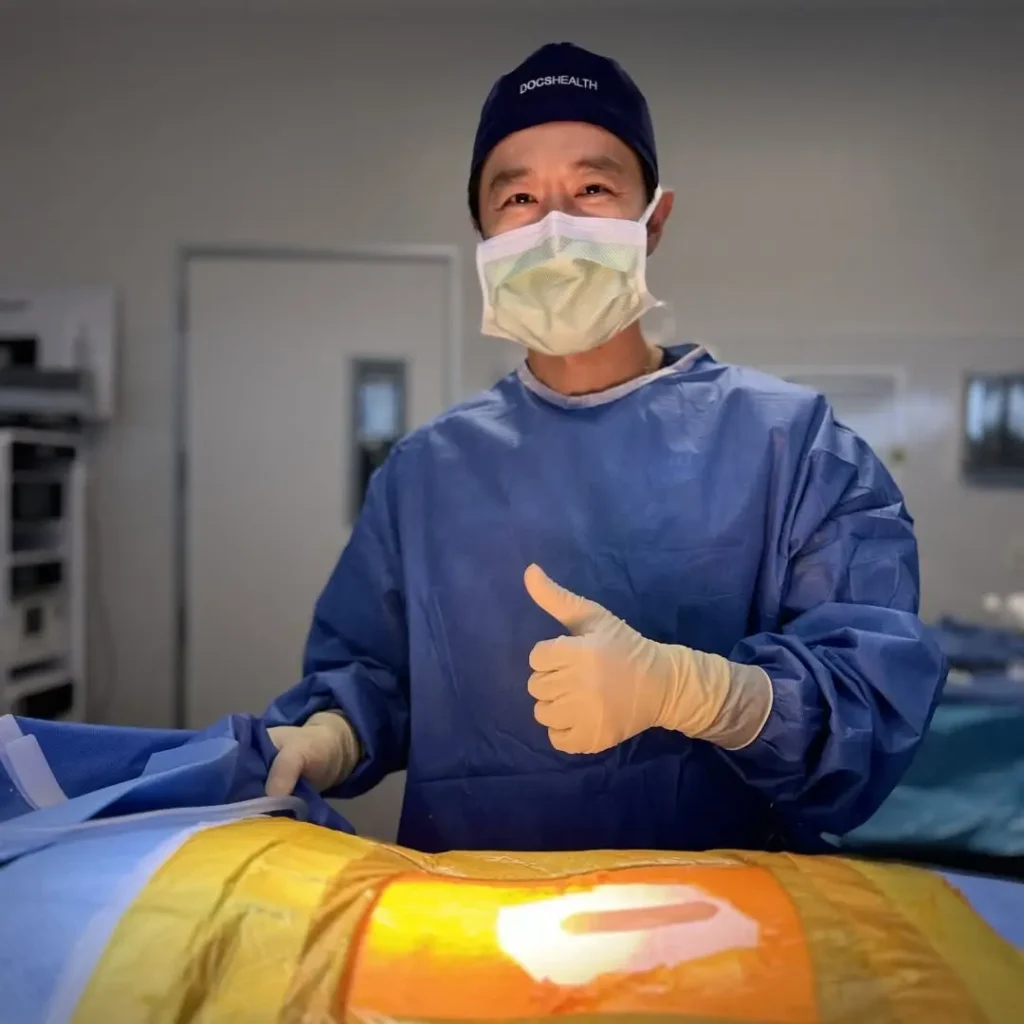
Dr. Albert Wong performs spinal fusion surgery for patients dealing with instability, vertebral slippage, severe degeneration, spinal deformity, and other conditions where motion within the spine has become part of the problem.

- What It is
Understanding Spinal Fusion Surgery
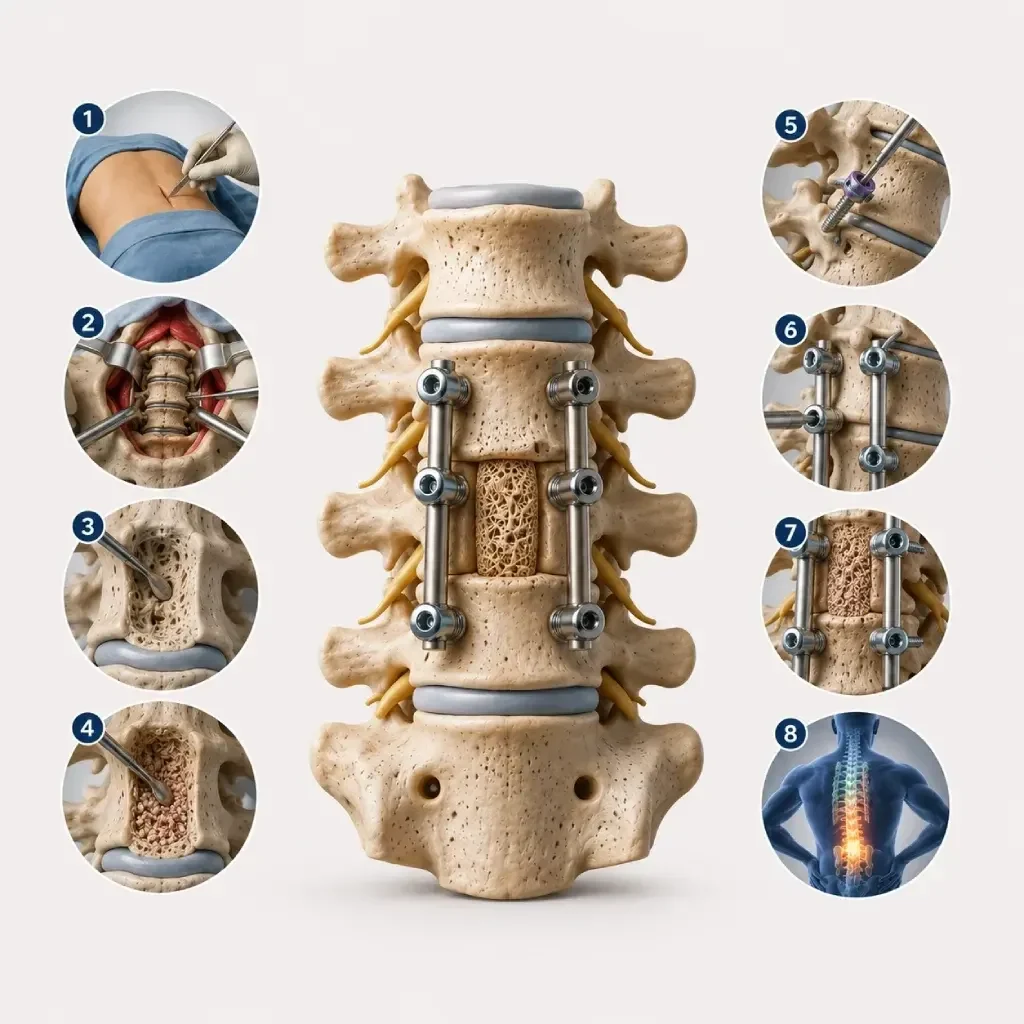
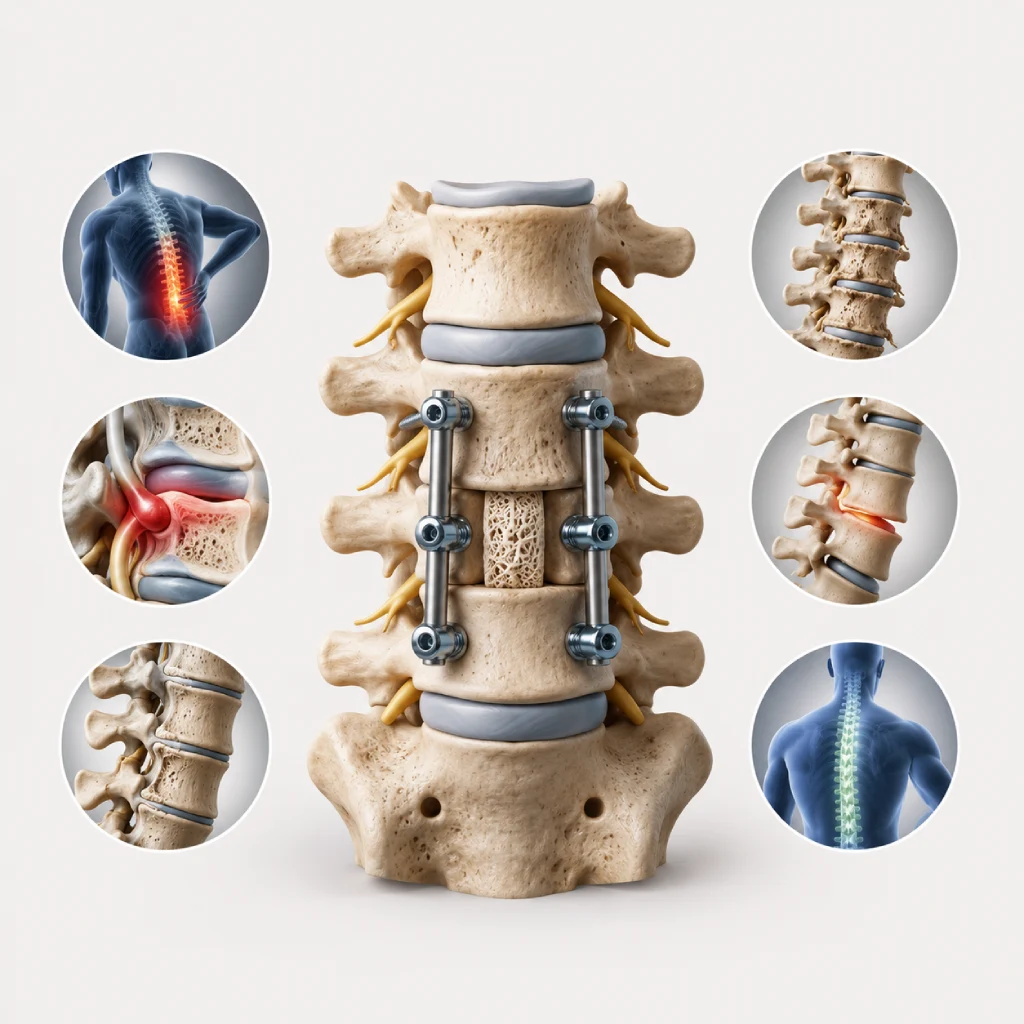
The basic idea behind spinal fusion surgery is actually pretty straightforward. Two vertebrae that are moving abnormally are encouraged to heal together into one solid segment over time. Surgeons use bone graft material and stabilization hardware to create the environment needed for that healing process to happen. The surgery happens in a day, but the fusion doesn’t. That part takes longer. Many patients are surprised when they learn the bone continues healing for months after surgery. The operation starts the process. The body finishes it. That’s why you’ll sometimes hear the term spinal bone fusion surgery. The goal isn’t simply placing implants. The goal is achieving a successful fusion between the affected vertebrae.
What Happens During a Fusion Procedure?
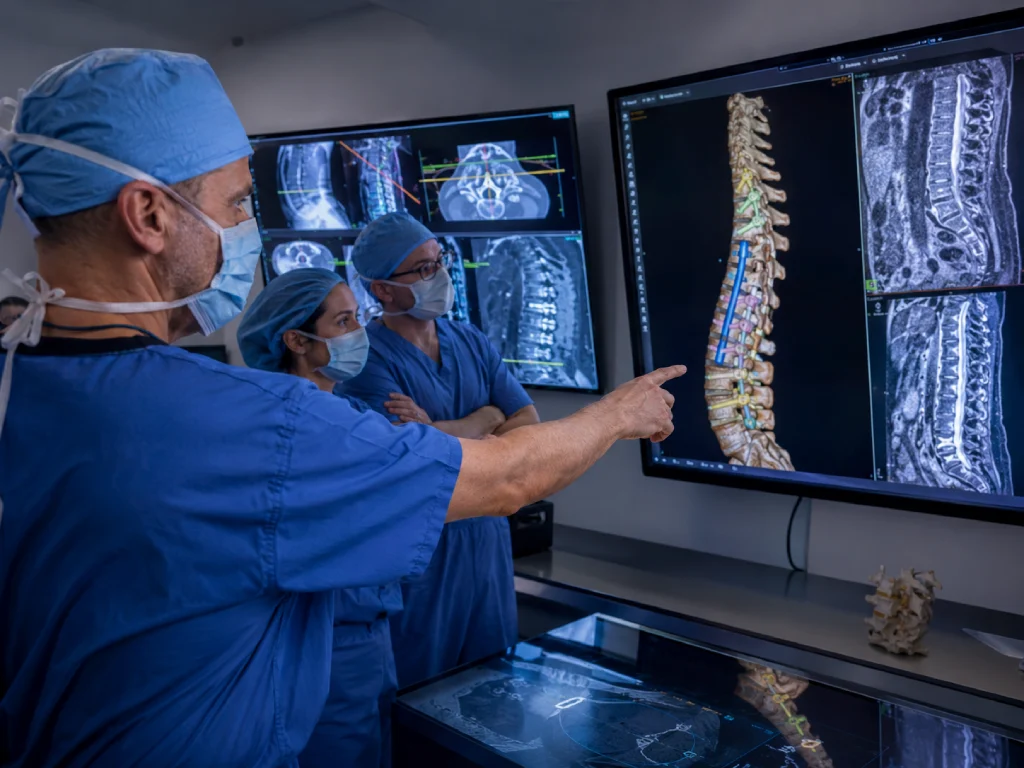
Every fusion surgery starts with planning. Imaging studies are reviewed carefully. Alignment is assessed. Areas of instability are identified. Symptoms are compared against what appears on scans. The surgeon needs to know exactly what’s causing the problem before deciding whether fusion is appropriate.
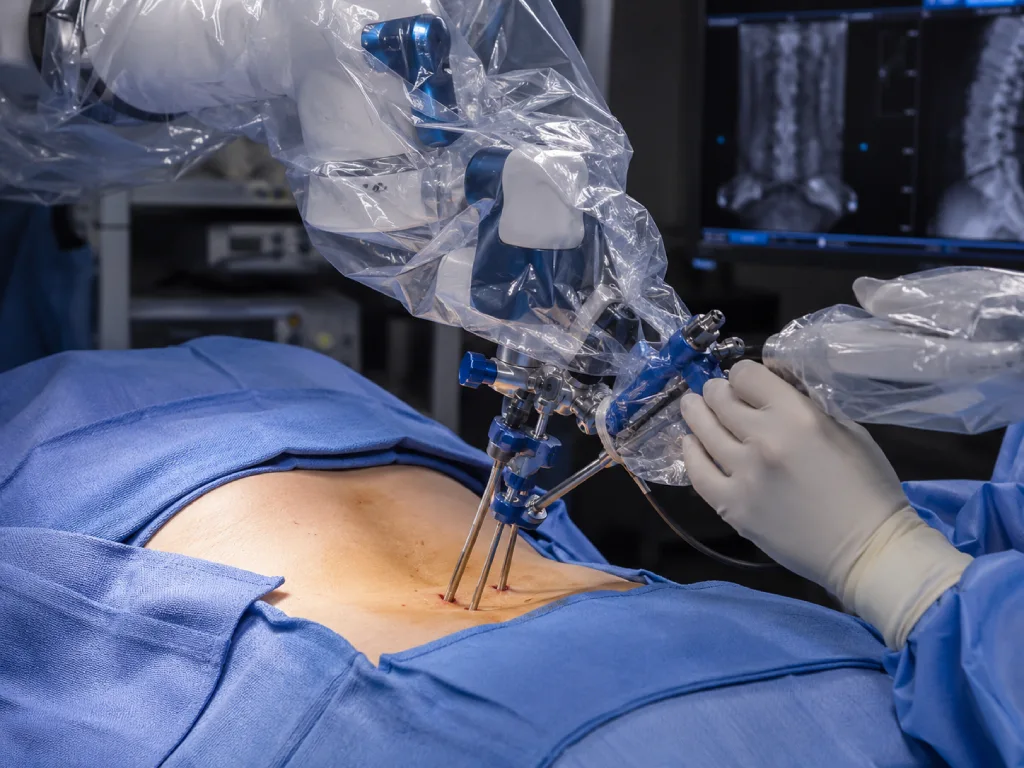
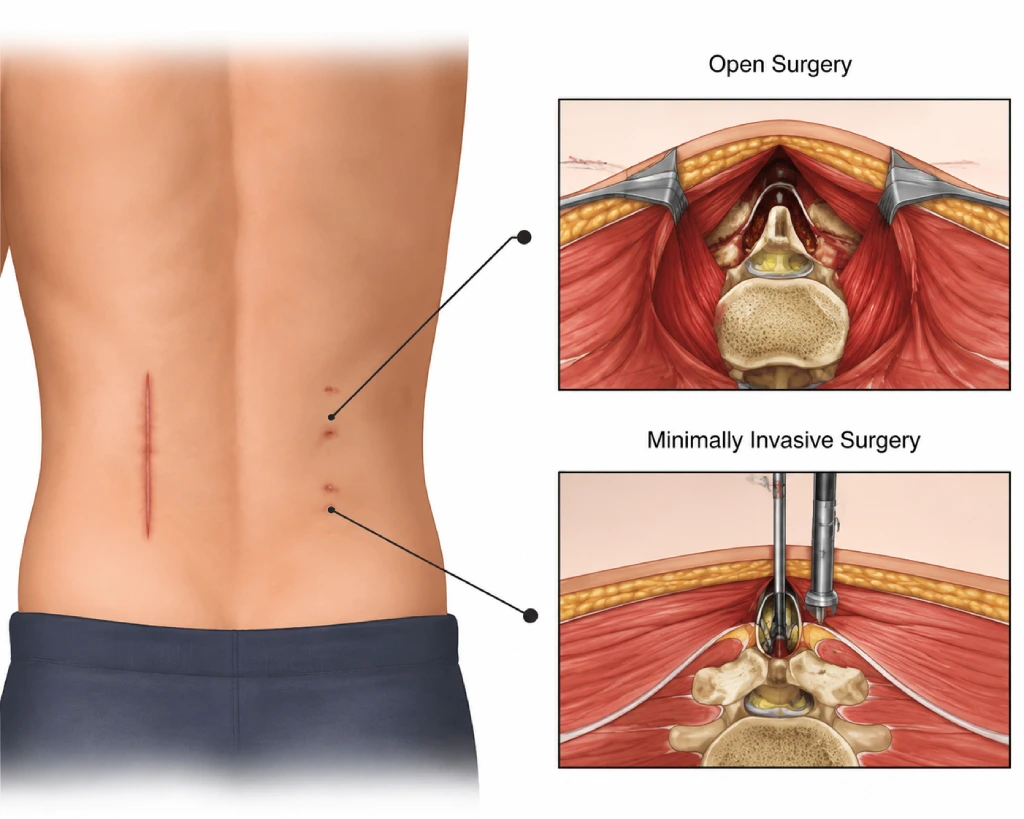
During fusion spinal surgery, the affected spinal segment is stabilized using implants designed to support the spine while bone healing develops between the vertebrae. Different procedures may use different approaches depending on the condition being treated and the location of the problem.
Some surgeries involve a single spinal level. Others involve multiple segments, including situations requiring a 2-level spinal fusion surgery when instability affects more than one area.
Different Types of Spinal Fusion Surgery
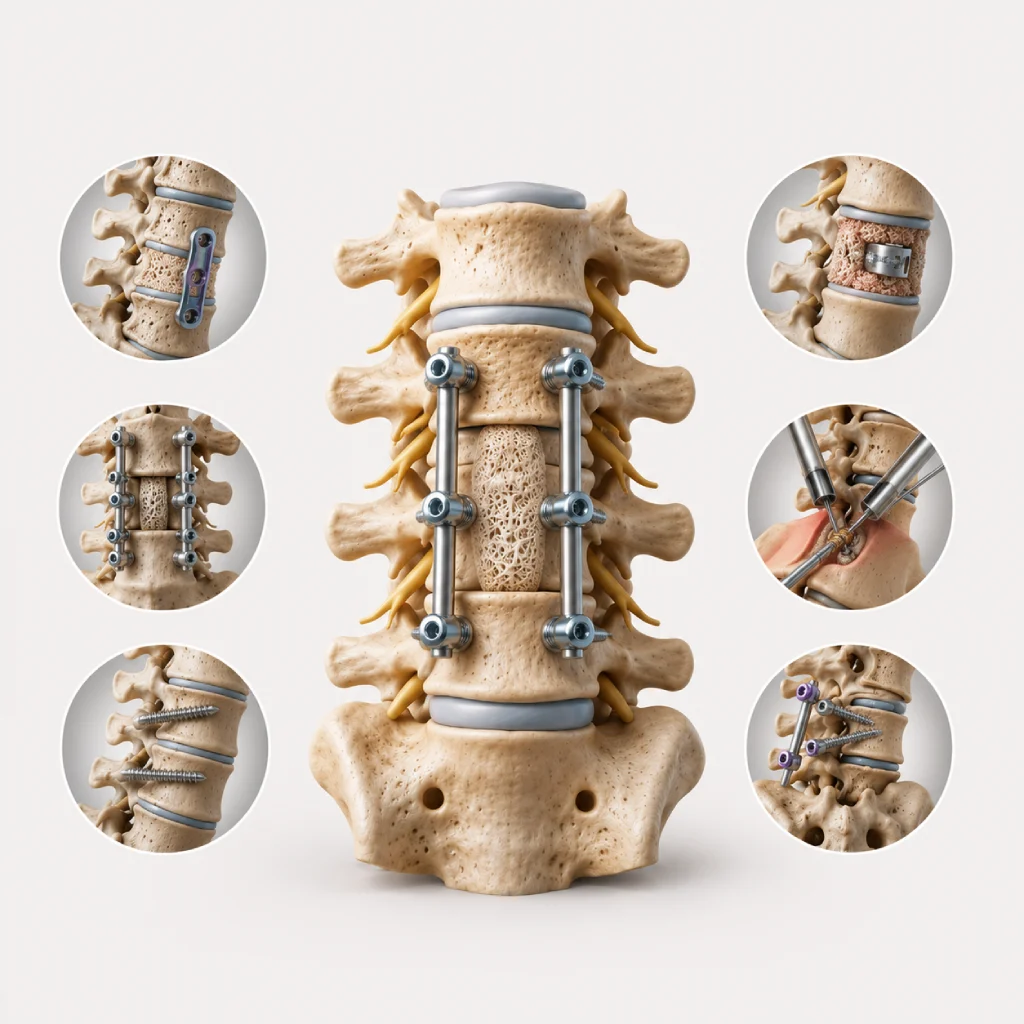
Not every fusion procedure is performed the same way. The spine is a large structure, and the surgical approach often depends on where the problem exists.
That’s one reason patients researching types of spinal fusion surgery sometimes feel overwhelmed. There are several approaches available, and each serves a different purpose.
Some procedures access the spine from the back. Others approach from the front or side. In certain cases, surgeons may combine techniques to achieve the desired correction and stability.
The procedure selected depends on the patient’s anatomy, diagnosis, alignment, and surgical goals. One patient may need a relatively straightforward fusion. Another may require something far more complex.
Why Spinal Fusion Is Sometimes Necessary
Fusion isn’t performed just because an MRI shows degeneration. If that were true, far more people would be having surgery. The decision usually comes down to stability.
When vertebrae begin shifting excessively, when structural support is lost, or when correcting a spinal problem would leave the spine unstable afterward, fusion may become part of treatment.
For some patients, it’s less about what needs to be removed and more about what needs to be supported.
- Procedure
Types of Spinal Fusion Procedures
Spinal fusion is not a one-size-fits-all procedure. The approach often depends on which part of the spine is being treated, how much instability is present, and the underlying condition causing symptoms. Some procedures focus on the lower back, while others address problems in the neck. The surgical technique is selected based on imaging findings, spinal anatomy, symptom patterns, and the overall goals of treatment.
Lumbar Spinal Fusion
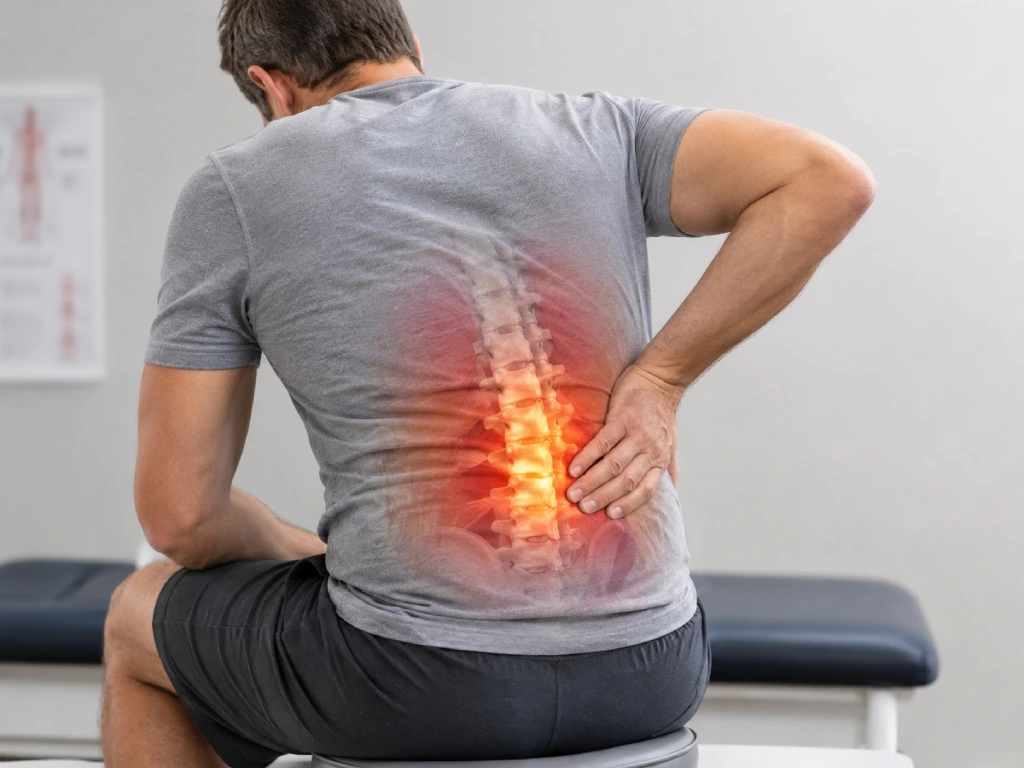
The lower back absorbs a tremendous amount of stress throughout daily life. Walking, lifting, bending, and prolonged sitting all place demands on the lumbar spine, which helps explain why degeneration commonly develops in this region. Lumbar spinal fusion is often performed when instability, severe disc degeneration, or chronic lower back pain continues affecting function despite conservative treatment efforts.
Treatment of lower back instability
Fusion helps reduce abnormal movement between affected vertebrae.
Management of degenerative conditions
The procedure may be considered when degeneration contributes to ongoing symptoms.
Support for chronic lower back pain
Stabilization can become part of treatment when instability is identified as a pain source.
Patient-specific surgical planning
The approach is tailored to the patient's anatomy and diagnosis.
Cervical Spinal Fusion
The cervical spine supports the head while protecting nerves that travel into the shoulders, arms, and hands. Problems affecting this area can create symptoms that extend well beyond the neck itself.
Cervical spinal fusion is used to stabilize affected levels within the neck when nerve compression, degeneration, or instability continues causing symptoms and functional limitations.
Treatment of nerve compression
Fusion may be performed alongside procedures designed to relieve pressure on affected nerves.
Improved cervical stability
The procedure helps support spinal alignment when instability is present.
Management of degenerative changes
Fusion may be considered when structural changes contribute to ongoing symptoms.
Protection of affected spinal levels
The goal is creating long-term stability within the treated area.
- Benefits
Potential Benefits of Spinal Fusion Surgery
Patients usually focus on one question. Will life be easier afterward? That’s really what most of this comes down to. People want to move better. Walk farther. Sit longer. Sleep without constantly adjusting positions because something hurts.
Improved Stability
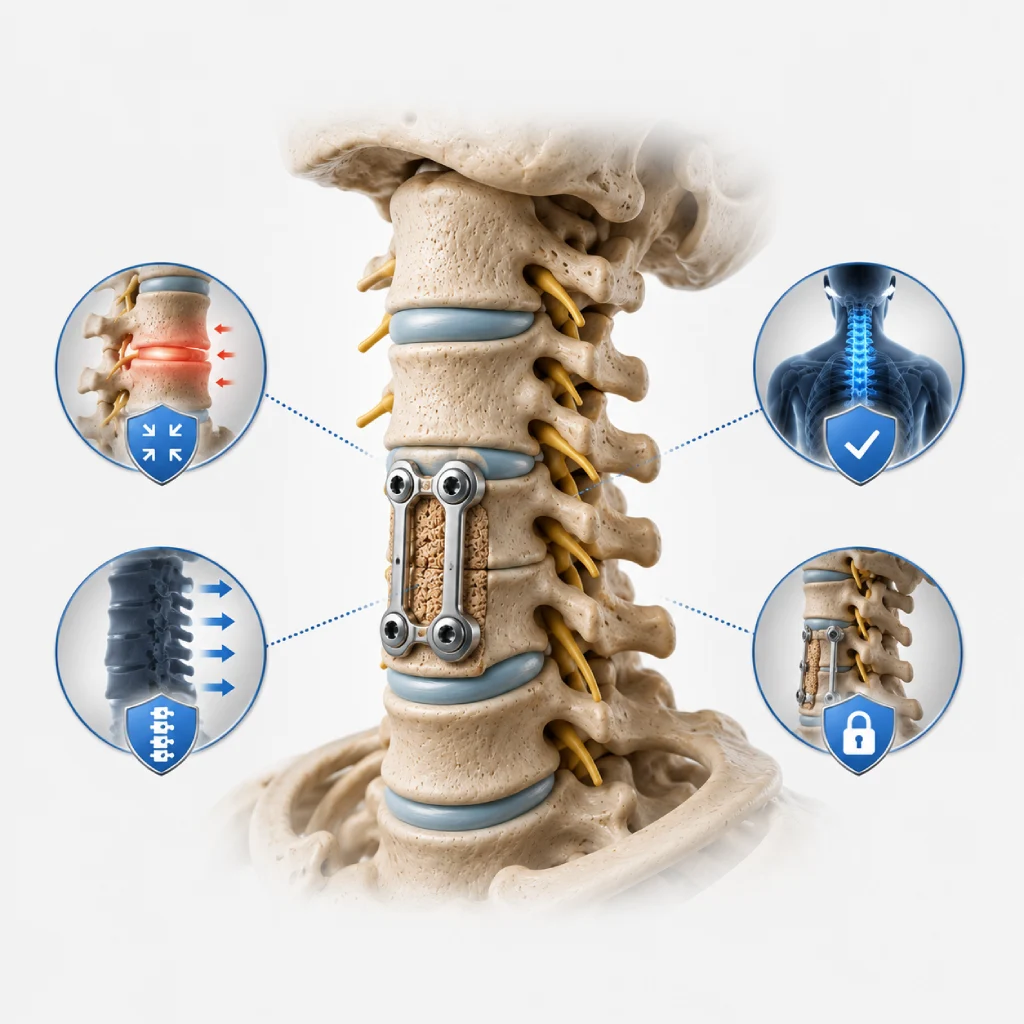
One of the primary goals of fusion is reducing abnormal motion within the affected spinal segment. When movement itself becomes the source of symptoms, stabilizing that area may help improve function.
- Reduced motion at unstable levels
- Improved spinal support
- Enhanced structural stability
- Protection of affected segments
Relief of Nerve Compression
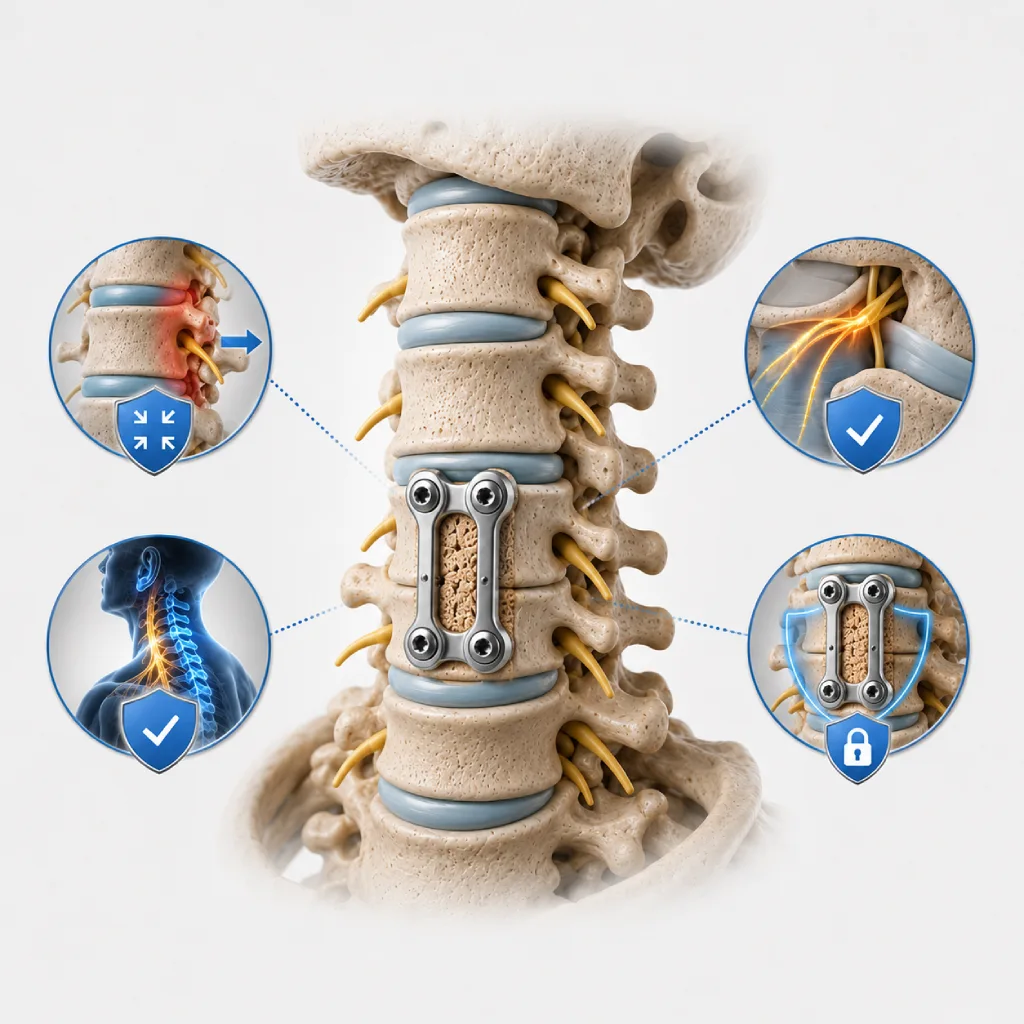
Many fusion procedures are performed alongside decompression surgery. When pressure is removed from compressed nerves and stability is restored, patients may experience improvement in symptoms related to nerve irritation.
- Reduced nerve pressure
- Improved nerve function in some cases
- Support following decompression procedures
- Treatment of instability-related compression
Better Structural Support
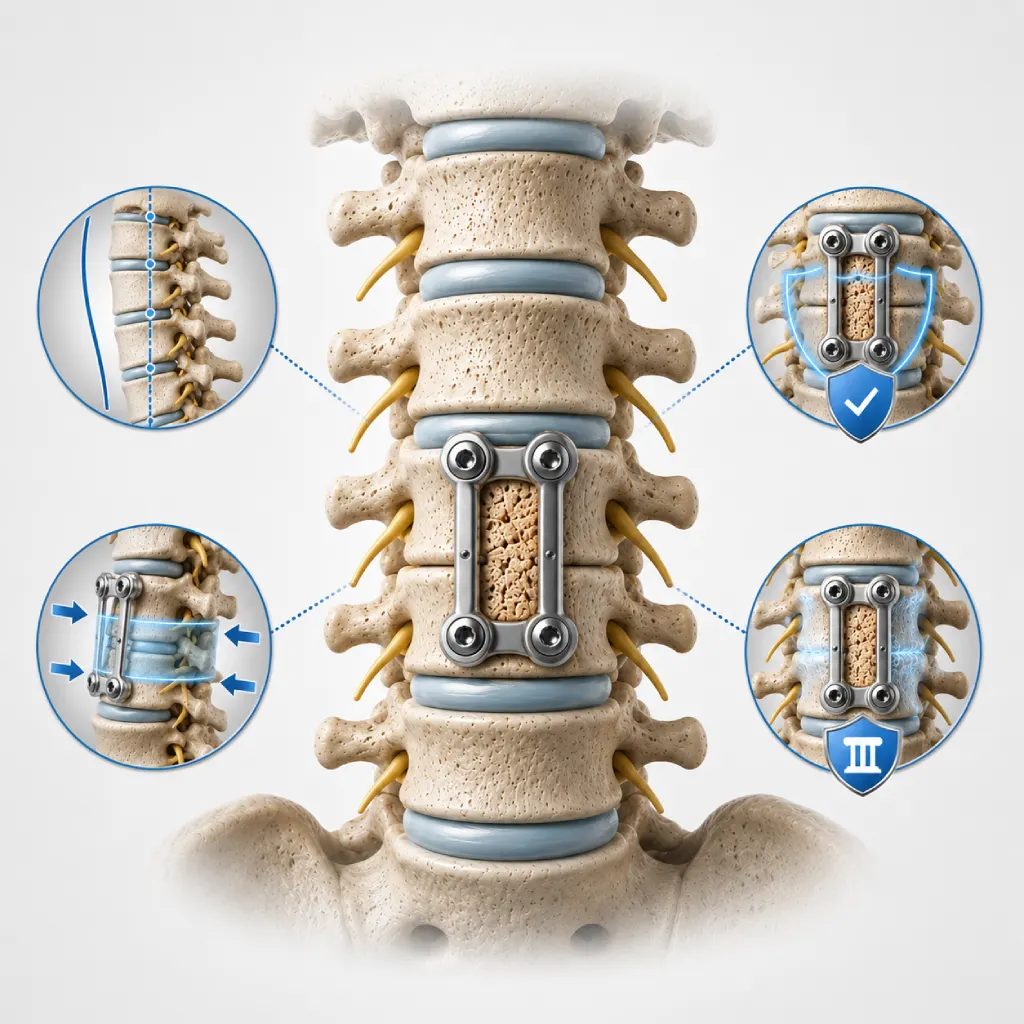
Some spinal conditions weaken the normal support system of the spine. Fusion may help reinforce areas that can no longer maintain proper alignment independently.
- Improved alignment support
- Enhanced spinal stability
- Protection against excessive movement
- Long-term structural reinforcement
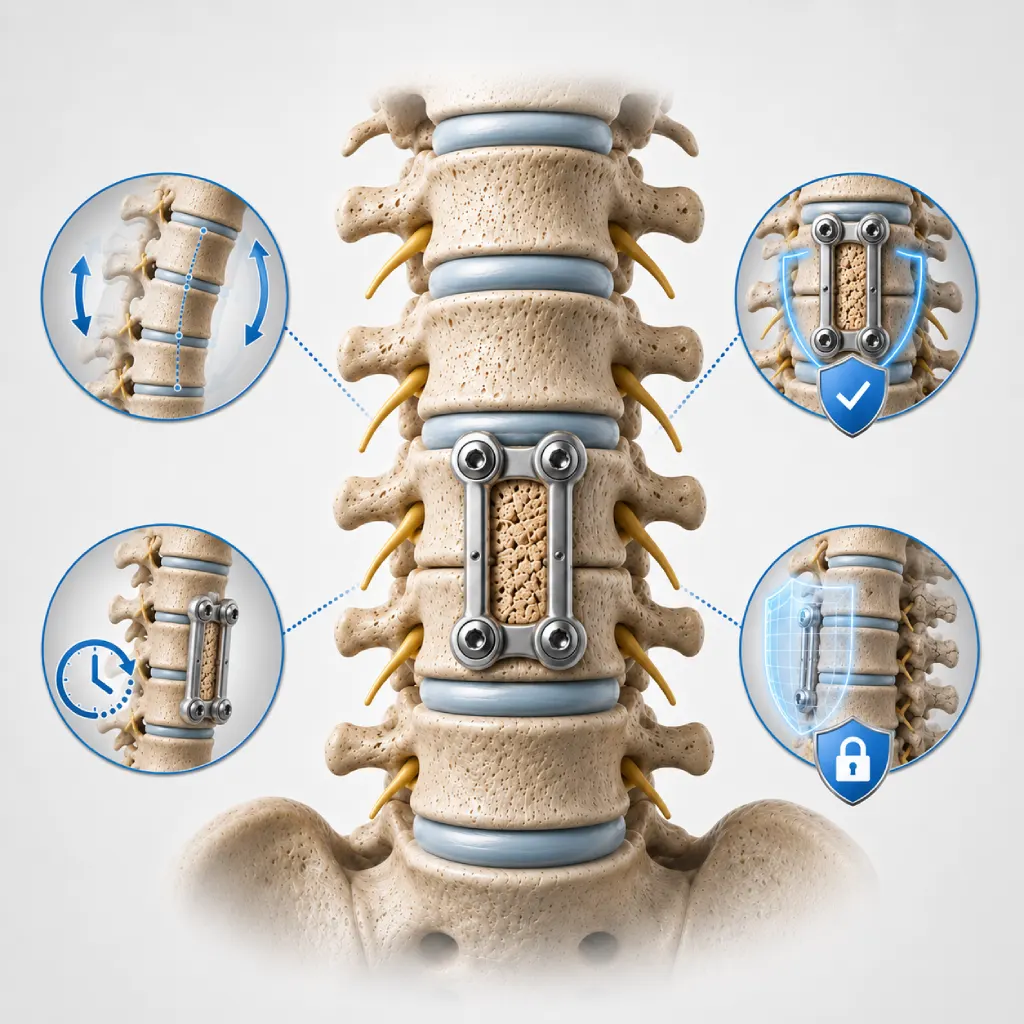
Support for Long-Term Function
No surgery guarantees a specific outcome. But the goal of fusion is creating a more stable foundation for movement moving forward. For some patients, that stability becomes an important step toward improving overall quality of life.
- Reduced instability-related symptoms
- Improved spinal support
- Long-term stabilization of affected levels
- Protection against further structural changes
- Recovery
Recovery After Spinal Fusion Surgery
Recovery tends to be the part patients think about most. Not the hardware, not the imaging, but recovery. The timeline varies. Some people move through the process steadily. Others need additional time. Fusion surgery isn’t just about healing skin or muscle. Bone healing continues long after the operation itself.
01
Recovery Timeline
The first stage of recovery usually focuses on mobility, incision healing, and symptom management. As healing progresses, activity levels increase gradually. The fusion process itself may continue developing for several months.

02
Physical Therapy and Rehabilitation
Many patients participate in rehabilitation as part of recovery. Physical therapy may help improve strength, flexibility, movement patterns, and overall function while healing continues. Progress tends to happen gradually rather than all at once.
03
Return to Normal Activities
Patients typically return to normal activities step by step. Work restrictions, lifting limits, and exercise recommendations depend on healing progress and the procedure performed. Trying to skip ahead usually isn't worth it.

- Why Choose us
Why Spinal Fusion Is Sometimes Necessary
Fusion isn't performed just because an MRI shows degeneration. If that were true, far more people would be having surgery. The decision usually comes down to stability.
When vertebrae begin shifting excessively, when structural support is lost, or when correcting a spinal problem would leave the spine unstable afterward, fusion may become part of a comprehensive spine surgery treatment plan. For some patients, it's less about what needs to be removed and more about what needs to be supported.
Experience Managing Complex Spinal Conditions
Dr. Wong treats patients dealing with instability, degeneration, spinal deformity, nerve compression, and revision spine surgery. Understanding when fusion is appropriate is just as important as understanding how to perform it.
- Dual fellowship training focused on complex and minimally invasive spine procedures.
- Experience treating instability, degeneration, and deformity.
- Careful surgical planning designed around each patient's condition.
Modern Technology and Surgical Planning
Wong Spine uses advanced imaging and modern surgical technology to support precision during complex spinal procedures. Detailed preparation helps guide treatment decisions before surgery begins.
- Advanced imaging for evaluation and planning.
- Modern surgical techniques tailored to patient needs.
- Careful assessment of alignment and stability before surgery.
Personalized Treatment Approach
Every patient arrives with a different story. Different symptoms. Different goals. Different concerns. Treatment recommendations are based on the individual rather than applying the same solution to everyone.
- Recommendations based on symptoms, imaging, and functional limitations.
- Time to discuss treatment options and ask questions.
- Care plans designed around both surgery and recovery goals.
- Area We Serve
Serving Patients Across Los Angeles and Surrounding Areas
Patients travel to Wong Spine from throughout Los Angeles and neighboring communities for advanced spinal care and spinal fusion surgery. Dr. Wong treats a wide range of spinal conditions using modern techniques focused on stability, function, and long-term outcomes.
Beverly Hills
Beverly Hills
Beverly Hills
Beverly Hills
Beverly Hills
Beverly Hills
Beverly Hills
Beverly Hills
Beverly Hills
Beverly Hills
Beverly Hills
Beverly Hills
- Patient Testimonial
What our patients says
EXCELLENTTrustindex verifies that the original source of the review is Google. When I went to see Dr. Wong, my spinal cord was 85% compressed at the T12 level and I had multiple issues in my lumbar spine, my back from T11 to S1 was failing me. I needed the assistance of a walker to walk and balance. I had a previous surgery with another surgeon and it was deemed as failed, my situation was not good. Dr. Wong literally rebuilt my spine from T11 to S1, if it weren’t for Dr. Wong and his incredible team, I would probably be in a wheelchair right now. Dr. Wong is a gifted surgeon who sincerely cares about his patients and the work he does. I am forever grateful and consider myself very fortunate and blessed to be his patient. Thank you Dr. Wong and team for giving me hope again.Posted on GoogleTrustindex verifies that the original source of the review is Google. Dr. Albert Wong is one of the BEST neurospine doctors in California! He really cares about patient care, he takes his time to listen and explain everything clearly. He builds trust with his patients. He has help so many patients get their life back, just one of the best doctors. Dr. Wong will make the time for his patients. Definitely recommend him!Posted on GoogleTrustindex verifies that the original source of the review is Google. Dr Wong is an amazing doctor! Dr Wong’s expertise and bedside manners are top notched. He is a tremendous surgeon as well. I would highly recommend Dr Wong as your ortho.Posted on GoogleTrustindex verifies that the original source of the review is Google. Dr. Albert Wong quite literally saved my life. I suffered from a quarter sized brain bleed and was rushed into emergency surgery. He not only allowed me to keep my hair and only shaved right where the surgery was performed, but he did such an amazing job. The area where I had surgery was numb for the first couple of months and I'm happy to report I have all feeling back in the designated area. Truly could not recommend him enough. He's also one of the kindest people I've ever had the pleasure of knowing. Would recommend him TENFOLD to anyone needing surgery.Posted on GoogleTrustindex verifies that the original source of the review is Google. I had back surgery, it was a successful procedure. Great bedside manner, great follow-up.Posted on GoogleTrustindex verifies that the original source of the review is Google. I’ve had surgery With Dr. Wong twice Once on the cervical and other was my spine. I had nothing but a great experience with him and his staff considering it was major surgery I’ve never felt better and I’m back to doing all the things I love but was unable to do before. Thank you Dr Wong 🙏🏻Posted on GoogleTrustindex verifies that the original source of the review is Google. Dr Wong is an exceptional, talented surgeon who cares deeply for his patients. Highly recommend!Posted on GoogleTrustindex verifies that the original source of the review is Google. Dr. Wong is an exceptional physician… thorough, knowledgeable, and compassionate. He listens and explains everything clearly. His attention to detail is unmatched. I trust him completely as he has greatly improved my life.Posted on GoogleTrustindex verifies that the original source of the review is Google. Dr Wong is an amazing Surgeon who was very thorough and explained in detail what my condition was and what to expect from surgeryPosted on GoogleTrustindex verifies that the original source of the review is Google. Dr. Wong has been helping me with sciatica issues for a long time. He’s very thoughtful with his care and I appreciate his thoroughness. My pain is much more manageable and he’s a big reason. Thank you Dr. Wong!
- Faqs
Frequently Asked Questions
Here are some clear answers to the most common questions about spinal fusion surgery:
The length of surgery depends on the condition being treated, the number of spinal levels involved, and the complexity of the procedure. Some operations take only a few hours, while more extensive surgeries may require additional time.
Patients can expect a recovery period that includes pain management, gradual increases in activity, follow-up appointments, and ongoing healing of the fusion itself. Recovery varies from person to person.
There is no single answer because every procedure is different. Surgical time depends on the diagnosis, surgical approach, anatomy, and whether multiple levels require treatment.
During L4-L5 spinal fusion recovery, your surgeon may recommend avoiding heavy lifting, excessive bending, twisting, and strenuous exercise. Follow the specific activity restrictions provided for your recovery.
Some discomfort is expected after surgery. Pain levels vary depending on the procedure performed, the number of levels treated, and individual healing factors. Effective pain management is an important part of the recovery process.
Bathing instructions depend on incision healing and surgeon recommendations. Patients are usually advised to avoid soaking the surgical site until adequate healing has occurred.
Spinal fusion recovery timelines vary considerably. Early healing occurs over the first several weeks, while the fusion process itself may continue for months as the bone gradually heals between vertebrae.
Returning to work 3 months after spinal fusion depends on your job requirements and individual recovery. Patients with sedentary jobs may be able to return around this time, while physically demanding work may require a longer recovery period. Learn more about what to expect 3 months after spinal fusion.