Discectomy Surgeryin Los Angeles
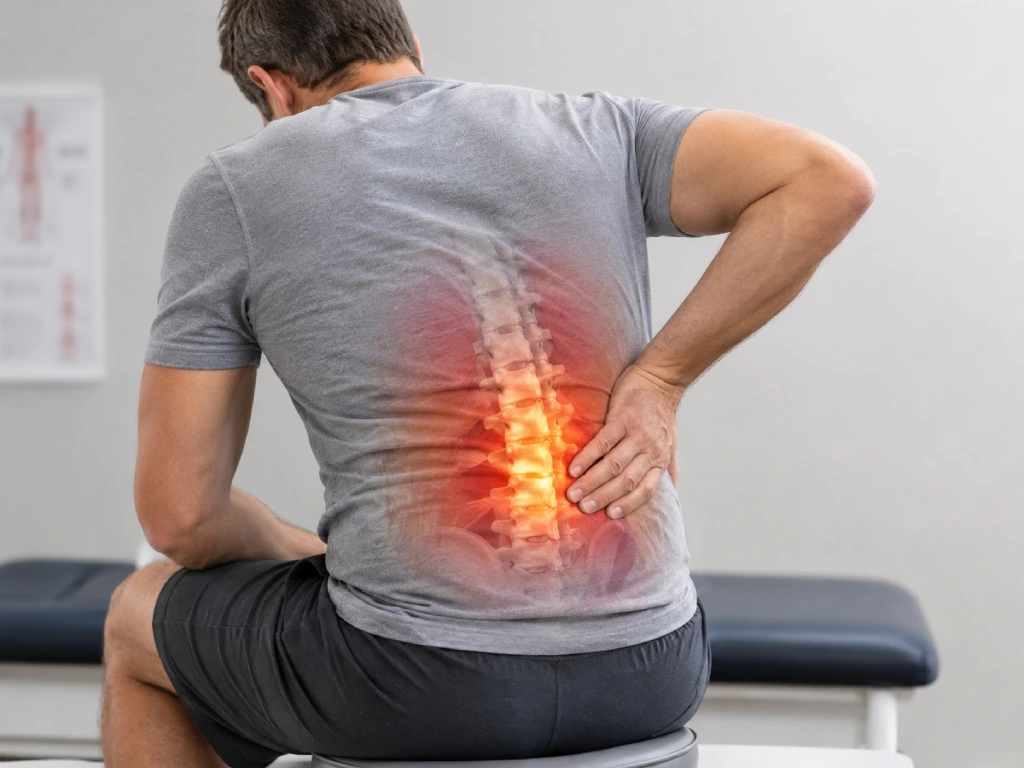
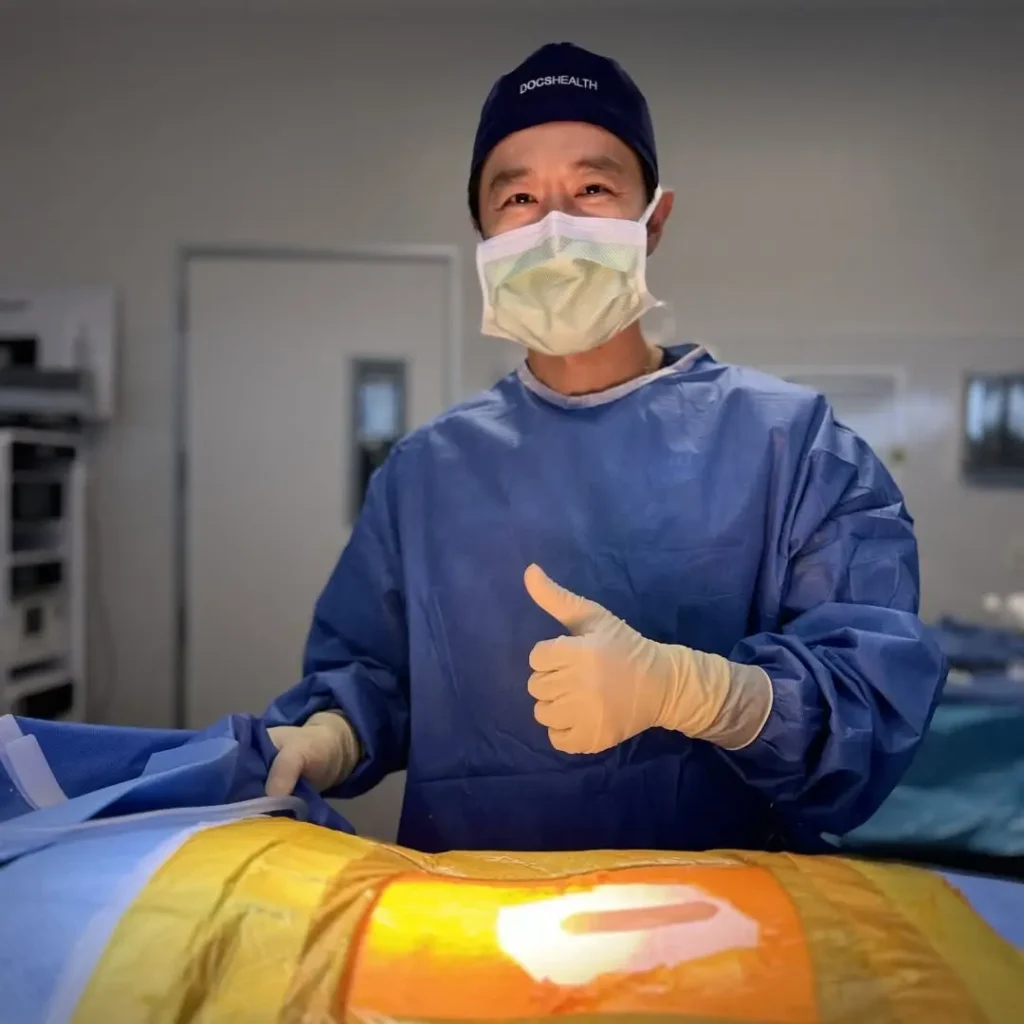
Having a herniated disc is painful; it even ruins your day. Sitting burns after twenty minutes. Sleep breaks at 3 a.m. Pain medication buys a few quiet hours, then quits. Discectomy surgery removes the cause. At Wong Spine, Dr. Albert P. Wong takes out the small piece of damaged disc sitting on your nerve. One small fragment. That is the target. Nothing else comes out. No fusion, no hardware. The goal stays plain: give the nerve room and get your days back.
The disc has taken enough of your time. Call us to know if discectomy surgery fits your case.

- Discectomy Surgery
Understanding Discectomy Surgery?
A discectomy removes the piece of disc pressing on a nerve. The name sounds bigger than the job. Each disc has a tough outer wall with a soft center inside. It sits between two spine bones and absorbs shock. Tear that wall, and the center leaks out. It lands on the nerve. Doctors call this a herniated disc, slipped disc, or ruptured disc. Only the problem fragment comes out. The rest of the disc stays in place when possible. That matters. Less removal can help protect normal spine movement.
How Discectomy Surgery Works
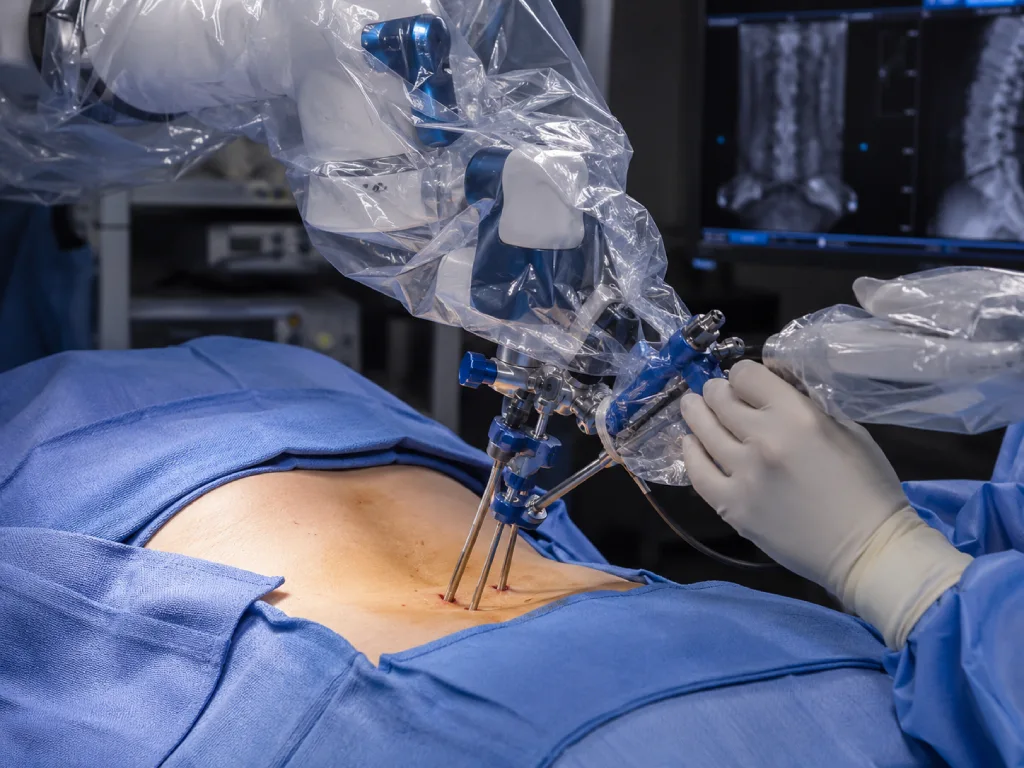
The idea behind the surgery is simple. A disc fragment presses on a nerve. The surgeon reaches that level, protects the nerve, and removes the fragment causing the pressure. Once the nerve has more room, the sharp leg or arm pain can begin to settle.
- Small incision over the affected disc level
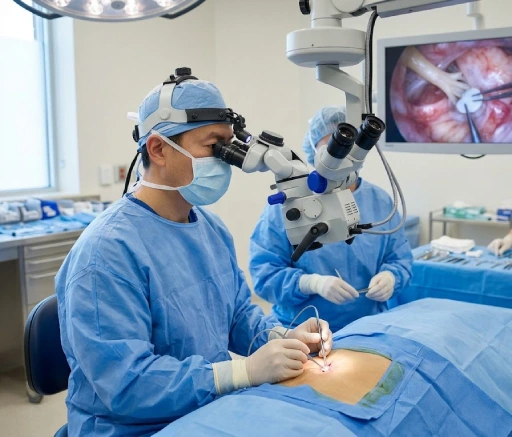
- Careful work under surgical magnification
- Disc fragment removed
- Nerve pressure reduced
- Same-day discharge for many patients
Do You Need Discectomy Surgery?
Most herniated discs never need a surgeon. Give them rest, physical therapy, and a few weeks, and the pain fades as the escaped material shrinks over months. Surgery is the exception, not the rule. So when does herniated disc surgery enter the picture?
Doctors typically recommend proceeding if:
- Pain, numbness, or weakness has held on for the past six weeks
- Therapy, medicine, and injections keep falling short
- Walking or standing grows harder instead of easier
- Weakness spreads or deepens over time
- New bladder or bowel problems appear
Bulged Disc vs. Herniated Disc
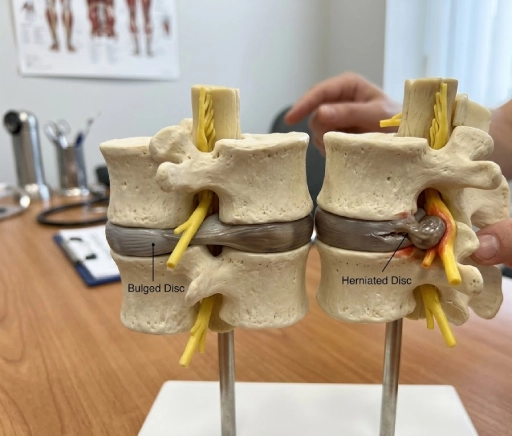
People mix these terms up all the time. A bulging disc sags outward, but its outer wall holds. No tear, no leak. Scans find bulges in plenty of people who feel nothing at all. A herniated disc is different. The wall tears, inner material escapes, and that material can land on a nerve and cause the sharper, traveling pain. The difference matters for treatment. A bulge seldom calls for surgery. A herniation pressing on a nerve sometimes does.
- The bulge stays contained
- Herniation may leak
- Both can hurt
- Symptoms guide treatment
- Conditions
Conditions Treated With Discectomy Surgery
Discectomy surgery treats disc-related nerve pressure. The pain pattern depends on where the disc sits. A neck disc can affect the arm. A lower back disc can affect the leg. The problem starts in the spine. The symptoms land somewhere else.
Herniated Disc
The outer wall tears. The soft center pushes out through that gap. When the loose fragment presses a nerve root, pain shoots down the arm or the leg. Discectomy removes the fragment, and the pressure on the nerve comes off.
Slipped Disc
The name fools people. Nothing slips. The disc stays fixed between its two vertebrae the whole time. What moves is the soft inner core, and it bulges into the nerve space. Slipped disc and herniated disc are the same problem.
Ruptured Disc
Sometimes the wall does more than tear. It splits. Disc material leaks into the spinal canal or the nerve opening. That loose piece can settle on a nerve root and press it. Surgery removes a ruptured disc to relieve that pressure.
One nerve takes the blame for most leg pain. Sciatica travels from the lower back through the buttock and down the leg, sometimes to the foot. A lumbar herniated disc is a common trigger. Removing the fragment frees that nerve root.
Cervical Radiculopathy
Burning pain runs from the neck into the hand. Cervical radiculopathy is the name. A nerve root gets pinched in the neck. Tingling and numbness follow, and the hand can weaken. Cervical herniated disc surgery may help when a scan confirms it.
Lumbar Radiculopathy
The lumbar version follows a nerve into the leg. Pain below the knee is the classic sign. Some patients feel no pain. Instead they notice numb toes, or a foot too weak to stand through a checkout line. Lumbar radiculopathy covers it.
- Benefits
Benefits of Discectomy Surgery
Patients usually want to know why a surgeon would choose discectomy instead of a larger spine procedure. The answer sits in what the surgery targets. It goes after the disc fragment pressing on the nerve. Nothing more than needed.
Relief Starts at the Nerve
Pain medicine can quiet symptoms. Injections can calm inflammation. Discectomy works differently. It removes the disc fragment pressing on the nerve, so relief starts at the source.
- Removes the disc fragment pressing on the nerve root.
- Treats the cause, not just the symptom.
- Pills and injections buy time. This clears the pressure.
- Leg pain, numbness, or tingling can ease once the nerve has room again.
- Best fit when an MRI shows a pinched nerve.
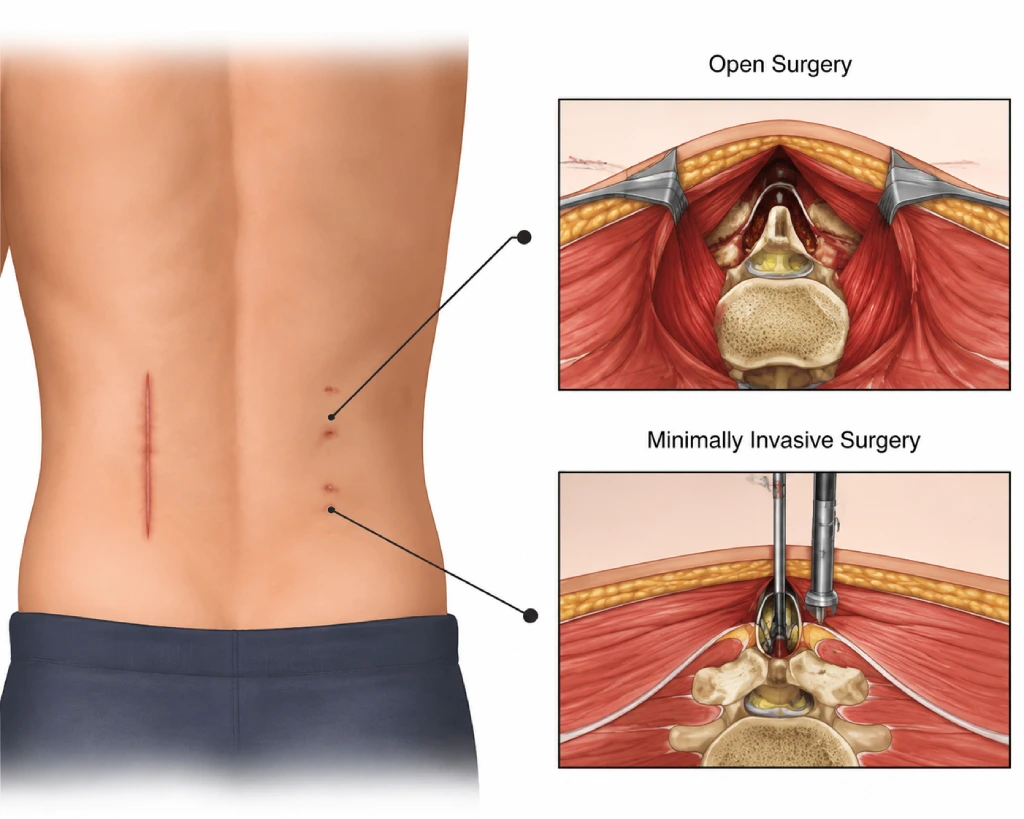
Small Incision, Less Muscle Damage
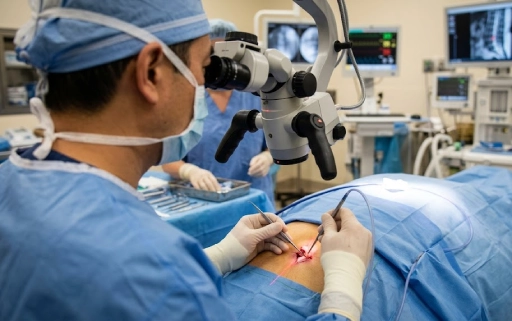
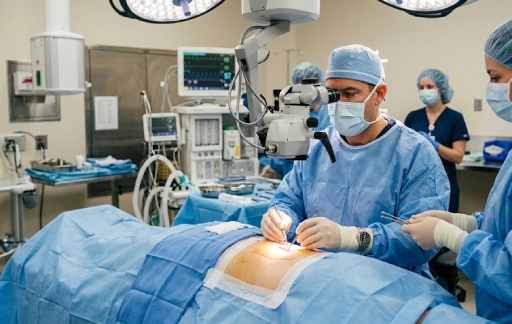
Microdiscectomy surgery uses a smaller incision and surgical magnification. Less muscle disruption can mean less post-op soreness and a smoother early recovery for many patients.
- Small incision, sometimes about an inch long.
- Surgical magnification gives a clear view of the nerve root.
- The surgeon moves the muscle aside rather than cutting through it.
- Less tissue trauma means less soreness in the days after.
- Most people go home with a small dressing on the site.
Natural Spine Motion Stays Intact
A standard discectomy does not lock two vertebrae together. The treated level can still move. That matters for patients who want nerve relief without fusion when fusion is not needed.
- No screws or fusion hardware goes into the spine.
- The treated segment keeps moving the way it should.
- Nothing locks the vertebrae together, so the joint stays flexible.
- Makes sense for a stable spine that does not need fusion.
- Leaves the door open for other treatment later, if that is ever needed.

Faster Return to Daily Life
Many patients walk the same day and go home quickly. Desk work may return within a few weeks. Physical jobs take longer, especially when bending, lifting, or twisting is part of the work.
- Most patients are up and walking the same day as discectomy surgery.
- Home the same day or the next morning for many.
- Desk work can come back within two to four weeks.
- Physical or labor jobs take longer, sometimes six weeks or more.
- The heaviest movements, like deep bending and twisting, return last and need the surgeon's clearance.
- Who Needs
Who Is a Candidate for Discectomy Surgery?
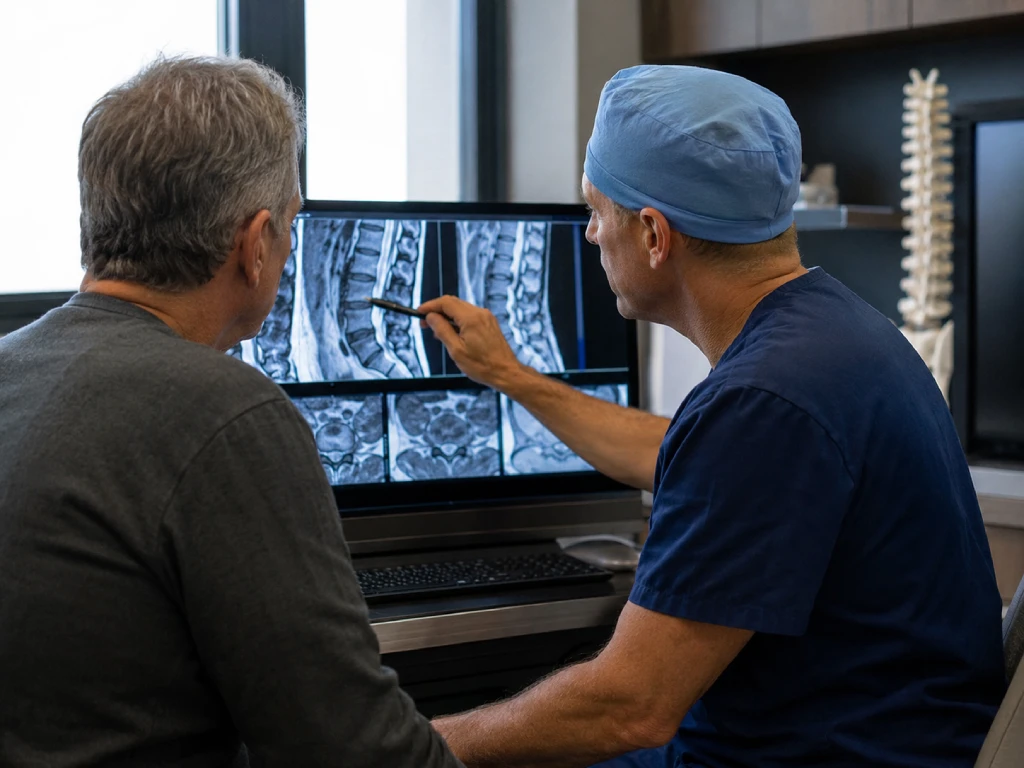
Most herniated discs never reach an operating room. Roughly nine in ten improve with rest, therapy, and time, because the body absorbs part of the leaked disc material on its own. Surgery enters the picture when the nerve stays trapped. Dr. Wong weighs your symptoms, scan results, exam findings, and how long the nerve has stayed compressed.
Pain Running Into the Arm or Leg
Disc pain travels. Neck discs send it into the arm or fingers. Lower back discs can reach the buttock, leg, or foot. Pain below the knee points to a compressed nerve.
Numbness, Tingling, or Weakness
Pins and needles. A dragging foot. A weak grip. These outrank pain because they show the nerve losing function, and lost function can become permanent. Worsening weakness moves surgery up.
Symptoms Lasting More Than Six Weeks
Six weeks mark a checkpoint, not a deadline. Most disc symptoms settle within that window. But long delays weaken surgical results. Waiting six weeks makes sense. Six months does not.
Relief Does Not Last With Other Care
An injection buys a few good months, then pain returns. The treatments calm the nerves, but the fragment never left. Injections also carry yearly limits. Discectomy removes what they cannot.
Bladder, Bowel, or Severe Weakness Symptoms
Trouble starting or controlling urination, groin numbness, and legs too weak to stand signal cauda equina syndrome. Go straight to an emergency room today. Decompression works best within 48 hours.
- Procedure
Discectomy Surgery Procedure
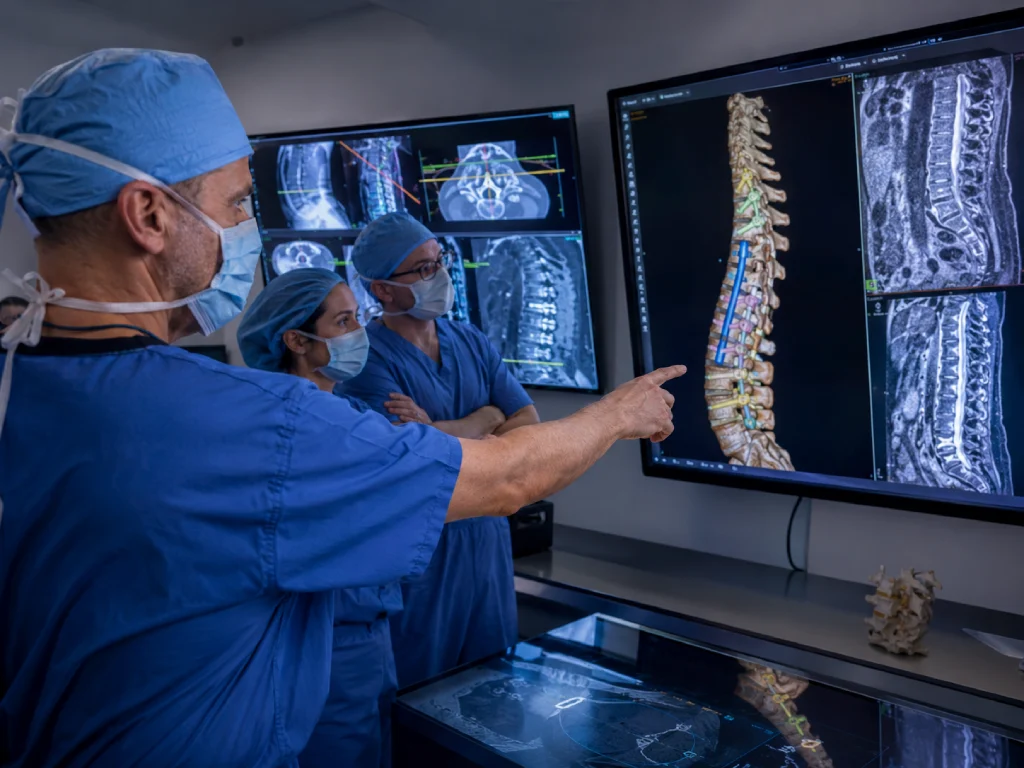
Generally, most discectomy procedures take forty-five minutes to two hours. And that covers start to finish. Scar tissue from an old surgery stretches the clock. So does a large herniation, or a second disc at another level. The operation is actually the short part. Planning takes up more days than the surgery takes minutes. Dr. Wong maps the damaged disc on your scans, then confirms during the exam that the same nerve explains your symptoms. The route gets picked before surgery day, never during it.
Pre-Surgical Planning
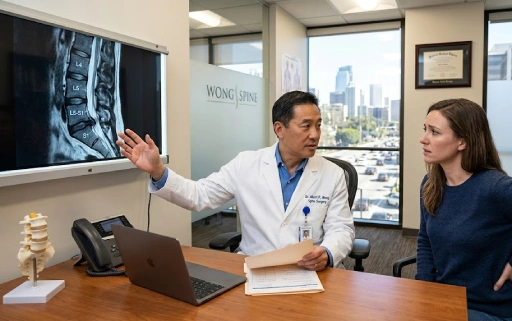
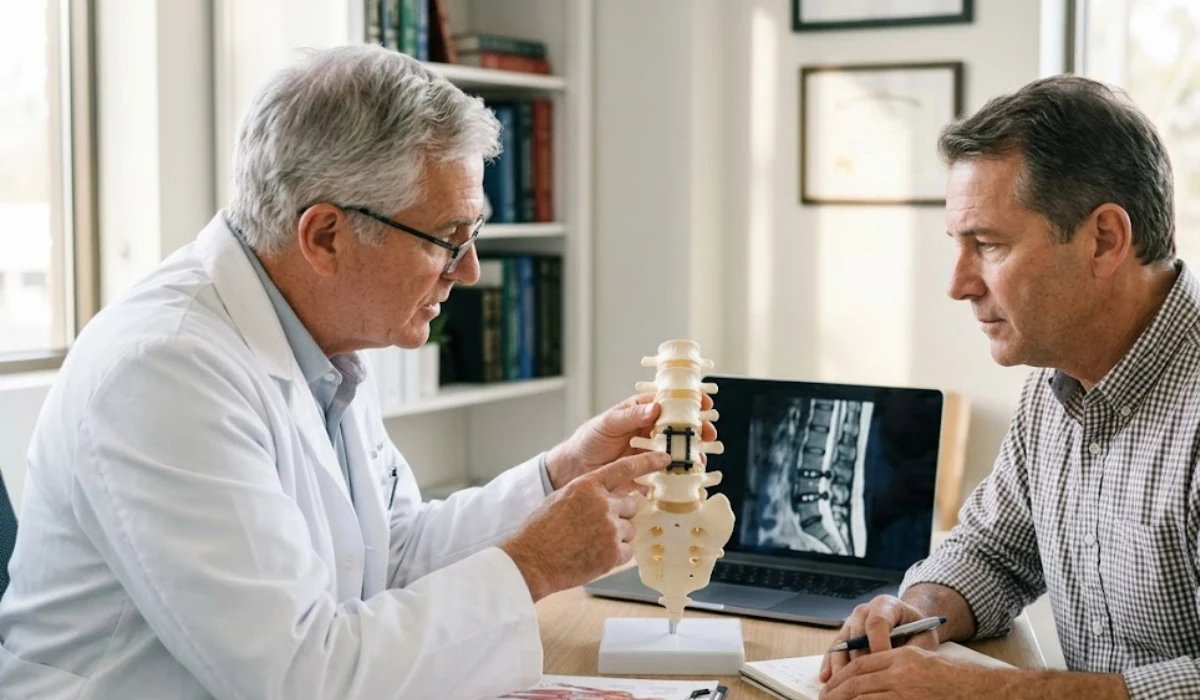
Every disc herniation sits a little differently. A C6-C7 neck disc needs a different plan than an L5-S1 lower back disc. The planning stage settles those details before surgery. Imaging shows the disc fragment. The exam shows which nerve is causing symptoms. The approach follows from both.
Imaging Review
MRI shows the herniated disc, nerve pressure, and soft tissue detail. CT may help when bone changes or prior surgery makes the picture more complicated.
Symptom and Disc Level Matching
Scan findings must match the patient’s symptoms. The surgeon checks reflexes, strength, sensation, and pain pattern to confirm which nerve root is involved.
Approach Selection
Micro, open, cervical, lumbar, front, or back. The disc level and compression source decide the route. Dr. Albert Wong does not choose from a fixed template.
Anesthesia and Health Review
The anesthesia team reviews medical history, allergies, and current medications. Heart, lung, diabetes, or blood thinner concerns get extra attention before surgery day.
- Recovery
Discectomy Surgery Recovery Time
Recovery looks simple on paper. At home, it depends on the patient. Some people feel leg or arm pain improves quickly. Numbness can take longer. Weakness may improve slowly because nerves heal at their own speed. Your discectomy surgery recovery depends on the treated level, your work demands, your health, and how long the nerve stayed compressed.
01
The First Days at Home
The first few days focus on walking, incision care, pain control, and avoiding strain. Short walks help. Bending, lifting, and twisting usually stay restricted early on.

02
Walking and Light Activity
Many patients build walking time during the first two weeks. Light home activity may return gradually. Desk work may be possible sooner than physical labor.
03
Physical Therapy and Strength Work
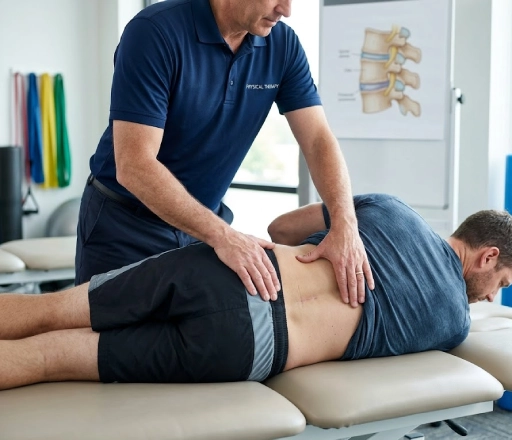
Physical therapy may start after the surgeon clears it. Early work usually stays gentle. Strength, flexibility, posture, and movement habits build slowly from there.

04
L4-L5 and L5-S1 Recovery
L4-L5 herniated disc surgery recovery time and L5-S1 herniated disc surgery recovery time can vary. Many patients return to basic activities within weeks, but heavy lifting, sports, and physical work need surgeon clearance.
- Why Choose us
Why Choose Wong Spine for Discectomy Surgery?
Choosing the right spine team matters. The procedure may sound small, but the nerve is not forgiving. Good surgery depends on the plan, the exposure, the technique, and the restraint to remove only what needs removal.
At Wong Spine, Dr. Albert Wong builds the treatment plan around the patient’s symptoms, imaging, work demands, and recovery goals. No two disc problems behave the same way.
A Practice Centered on Spine Surgery
Disc problems are not side work here. Dr. Wong evaluates cervical and lumbar disc conditions every week, from simple herniations to more complex nerve compression cases. That steady volume sharpens judgment. A surgeon who reviews these scans regularly identifies the true source of pain sooner.
- Cervical and lumbar disc conditions reviewed on a regular basis.
- Cases range from simple herniations to complex nerve compression.
- Regular exposure builds diagnostic accuracy that imaging alone cannot provide.
- One neurosurgeon manages your care from consultation through recovery.
Tools Serve the Plan, Not the Reverse
Microscopes, small instruments, and minimally invasive techniques can help when they fit. But technology does not choose the procedure. The patient's anatomy does. Imaging leads every decision here. Dr. Wong selects the approach that matches the spine in front of him.
- Imaging findings guide the choice of technique, not the equipment on hand.
- Minimally invasive methods apply when the anatomy supports them.
- Open procedures remain the right call when the situation demands it.
- The surgical plan follows the patient, and the instruments follow the plan.
Care That Continues After Discharge
Recovery does not end when the patient goes home. Follow-up visits, incision checks, therapy timing, and activity guidance all shape the final result. The weeks after surgery carry real weight. Consistent follow-up keeps healing on track and catches concerns early.
- Scheduled follow-up visits to monitor nerve recovery and symptom relief.
- Incision checks to confirm proper healing and rule out infection.
- Therapy timed to your progress, not a fixed calendar.
- Clear activity limits on lifting, driving, and return to work.
- Area We Serve
Discectomy Surgery in Los Angeles and Surrounding Areas
Patients visit Wong Spine from across Los Angeles for disc pain that has started controlling daily life. Some need microdiscectomy surgery for lower back nerve pain. Others need cervical discectomy surgery for arm pain, weakness, or numbness from a neck disc. The plan starts with one question: where is the nerve pressure coming from, and what is the least disruptive way to relieve it?
- Patient Testimonial
What our patients says
EXCELLENTTrustindex verifies that the original source of the review is Google. When I went to see Dr. Wong, my spinal cord was 85% compressed at the T12 level and I had multiple issues in my lumbar spine, my back from T11 to S1 was failing me. I needed the assistance of a walker to walk and balance. I had a previous surgery with another surgeon and it was deemed as failed, my situation was not good. Dr. Wong literally rebuilt my spine from T11 to S1, if it weren’t for Dr. Wong and his incredible team, I would probably be in a wheelchair right now. Dr. Wong is a gifted surgeon who sincerely cares about his patients and the work he does. I am forever grateful and consider myself very fortunate and blessed to be his patient. Thank you Dr. Wong and team for giving me hope again.Posted on GoogleTrustindex verifies that the original source of the review is Google. Dr. Albert Wong is one of the BEST neurospine doctors in California! He really cares about patient care, he takes his time to listen and explain everything clearly. He builds trust with his patients. He has help so many patients get their life back, just one of the best doctors. Dr. Wong will make the time for his patients. Definitely recommend him!Posted on GoogleTrustindex verifies that the original source of the review is Google. Dr Wong is an amazing doctor! Dr Wong’s expertise and bedside manners are top notched. He is a tremendous surgeon as well. I would highly recommend Dr Wong as your ortho.Posted on GoogleTrustindex verifies that the original source of the review is Google. Dr. Albert Wong quite literally saved my life. I suffered from a quarter sized brain bleed and was rushed into emergency surgery. He not only allowed me to keep my hair and only shaved right where the surgery was performed, but he did such an amazing job. The area where I had surgery was numb for the first couple of months and I'm happy to report I have all feeling back in the designated area. Truly could not recommend him enough. He's also one of the kindest people I've ever had the pleasure of knowing. Would recommend him TENFOLD to anyone needing surgery.Posted on GoogleTrustindex verifies that the original source of the review is Google. I had back surgery, it was a successful procedure. Great bedside manner, great follow-up.Posted on GoogleTrustindex verifies that the original source of the review is Google. I’ve had surgery With Dr. Wong twice Once on the cervical and other was my spine. I had nothing but a great experience with him and his staff considering it was major surgery I’ve never felt better and I’m back to doing all the things I love but was unable to do before. Thank you Dr Wong 🙏🏻Posted on GoogleTrustindex verifies that the original source of the review is Google. Dr Wong is an exceptional, talented surgeon who cares deeply for his patients. Highly recommend!Posted on GoogleTrustindex verifies that the original source of the review is Google. Dr. Wong is an exceptional physician… thorough, knowledgeable, and compassionate. He listens and explains everything clearly. His attention to detail is unmatched. I trust him completely as he has greatly improved my life.Posted on GoogleTrustindex verifies that the original source of the review is Google. Dr Wong is an amazing Surgeon who was very thorough and explained in detail what my condition was and what to expect from surgeryPosted on GoogleTrustindex verifies that the original source of the review is Google. Dr. Wong has been helping me with sciatica issues for a long time. He’s very thoughtful with his care and I appreciate his thoroughness. My pain is much more manageable and he’s a big reason. Thank you Dr. Wong!
- Faqs
FAQs About Discectomy Surgery
Most patients ask these questions after trying to live around disc pain for weeks or months. Some want to know if surgery is really needed. Others want to understand recovery, risks, and how the operation works. These answers cover the questions patients usually bring to a discectomy consultation.
A discectomy surgery removes the part of a herniated or ruptured disc pressing on a spinal nerve. The surgeon removes the problem fragment, not the entire spine disc in most cases.
Microdiscectomy surgery is a smaller, more precise form of discectomy. The surgeon uses a microscope and small instruments to remove the disc fragment through a small incision.
Most discectomy surgeries take 45 minutes to two hours. The exact time depends on the disc level, scar tissue, surgical approach, and whether more than one level needs treatment.
Yes, many herniated discs improve without surgery. Rest, therapy, medicine, and injections may help. Surgery becomes more likely when pain, numbness, or weakness does not improve.
Many patients return to light activity within a few weeks. Full recovery may take longer, especially for physical jobs. Numbness and weakness can improve more slowly than pain.
Surgery can help when the disc is clearly pressing on a nerve, and non-surgical care has not worked. It is not the first answer for every herniated disc.
Yes, a disc can herniate again after surgery. The risk depends on the disc, activity level, healing, and how closely the patient follows recovery instructions.
Discectomy removes the disc fragment pressing on a nerve. Fusion joins two vertebrae together to stop movement at that level. Some neck procedures combine disc removal with fusion when stability is needed.
- Visit Our Clinic
Schedule a Consultation for Discectomy Surgery
Ready to move without disc pain? Dr. Albert Wong performs discectomy, laminectomy, and foraminotomy as part of our spinal decompression surgery services. Book your Los Angeles consultation today.