Foraminotomy Surgery Services in Los Angeles
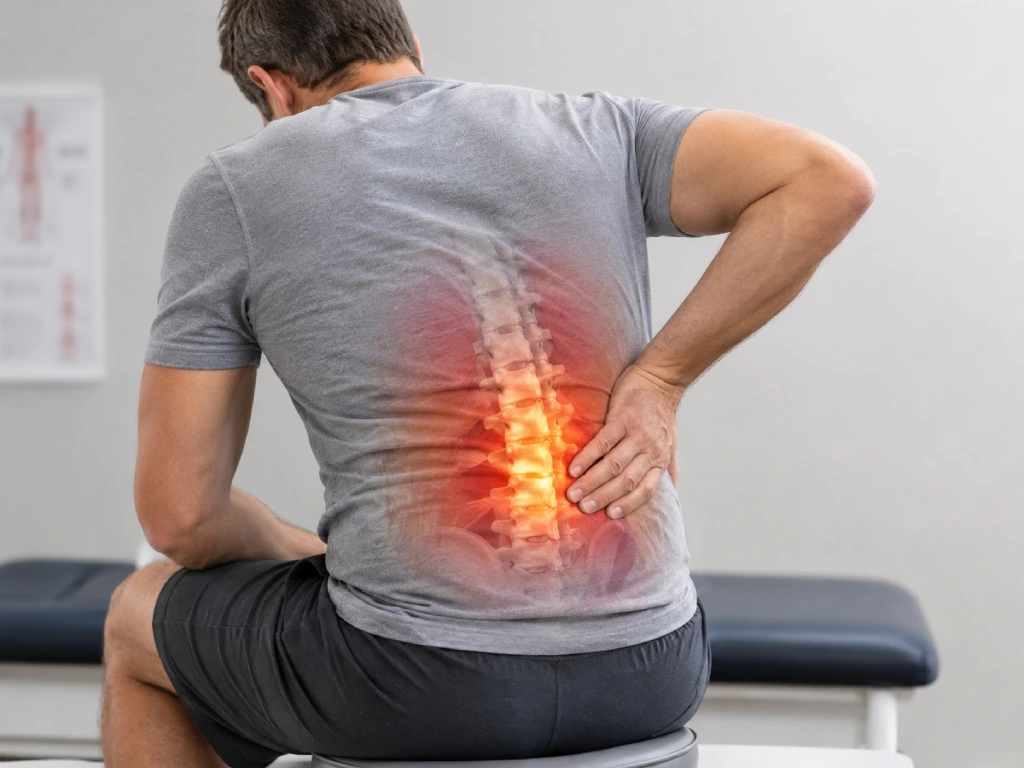
Nerve pain that shoots down an arm or leg has a common source. The small openings where spinal nerves exit the neck or lower back can narrow. Bone spurs crowd the space. So can thickened ligaments or a bulging disc. The trapped nerve responds with burning pain and numbness. Grip strength fades. Walking or standing for long periods becomes hard. When months of rest and medication bring no relief, foraminotomy surgery removes the pressure at its source. Dr. Albert P. Wong performs this procedure for Los Angeles patients with a precise approach that spares the healthy bone and muscle around the nerve.

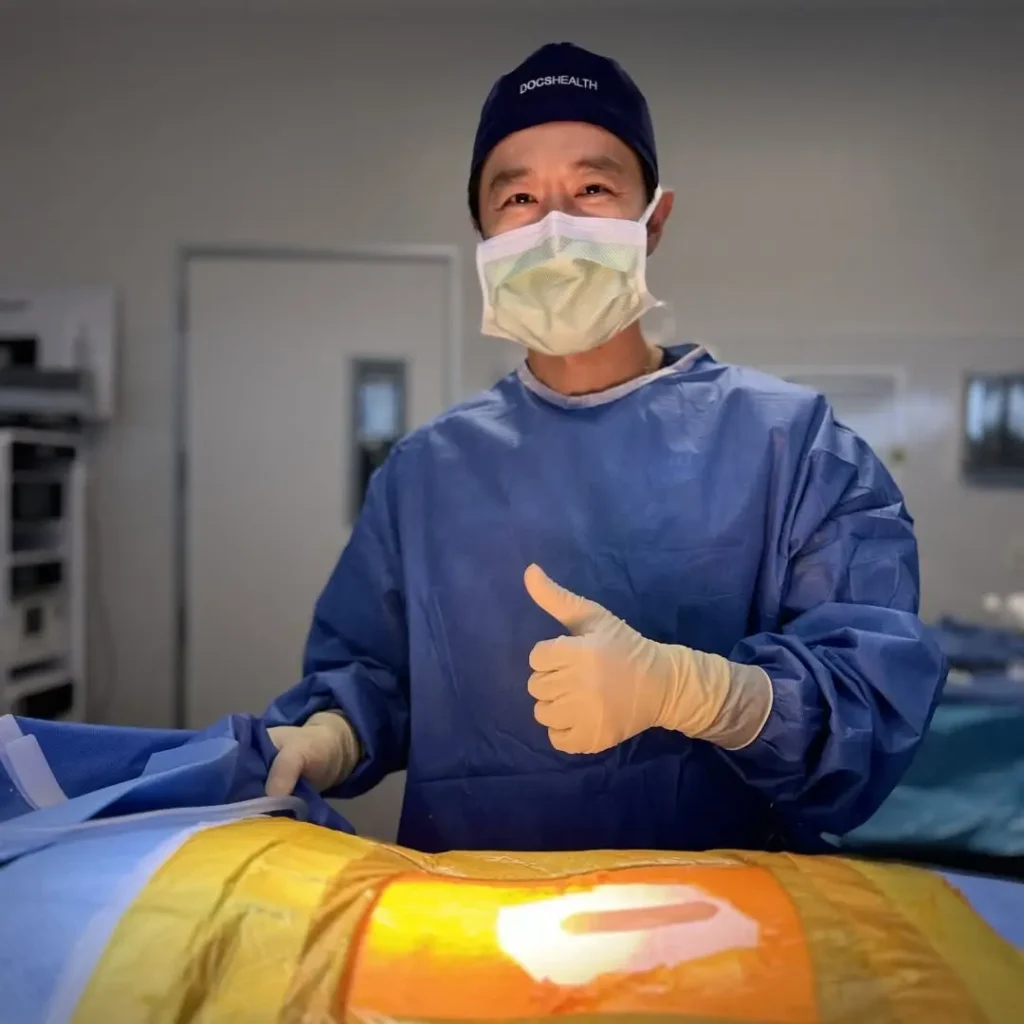
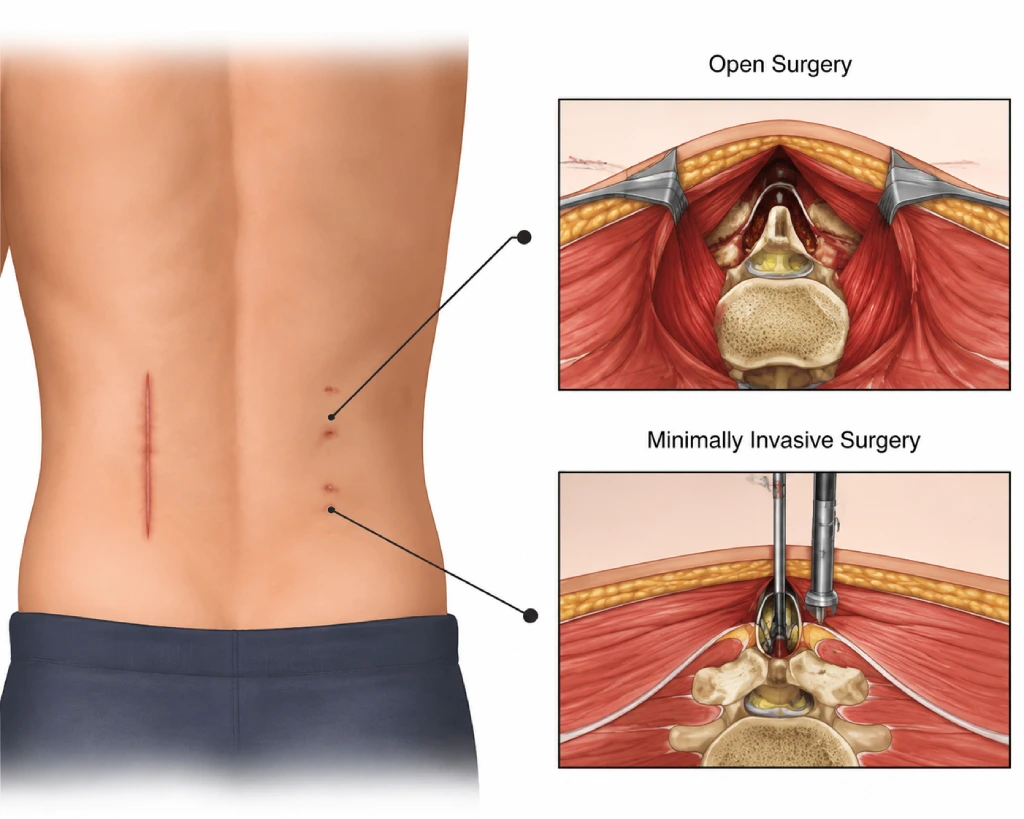
- Foraminotomy Surgery
What Is Foraminotomy Surgery?
A foraminotomy widens the foramen, the small bony opening where a nerve root leaves the spinal canal. The surgeon removes the bone spur or tissue that pinches the nerve. Nothing else changes. The spine keeps its structure and motion. Surgeons perform the foraminotomy procedure on the neck or lower back, wherever the compression sits.
How Foraminotomy Surgery Works
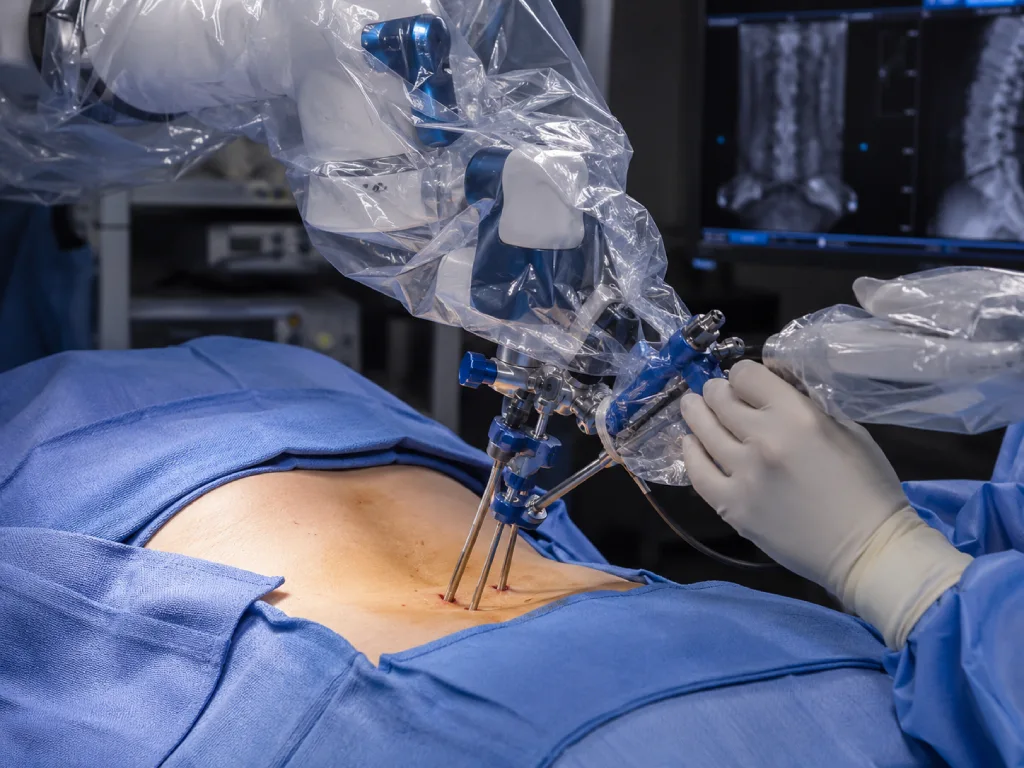
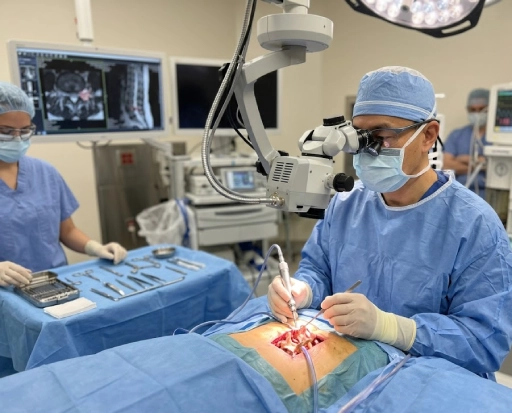
The surgeon reaches the spine through a small incision. A thin instrument shaves away the bone or ligament pressing on the nerve. The opening widens. The nerve finally has space.
- Small incision over the affected level
- Careful work under surgical magnification
- Bone spur and ligament removal
- Wider opening for the nerve
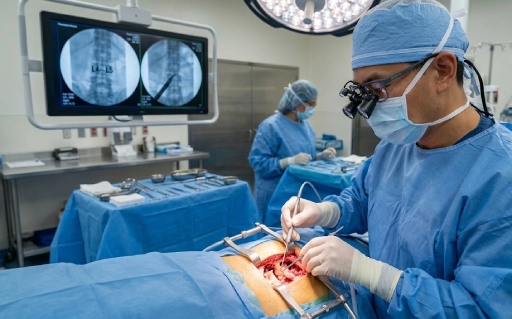
Lumbar Foraminotomy
Leg pain and foot numbness trace back to one pinched nerve. A lumbar foraminotomy clears the blockage in the lower spine. Lumbar foraminotomy surgery helps when the narrowing sits below the waist.
- Targets nerve roots below the waist
- Eases sciatica and standing pain
- One small incision, minimal muscle damage
- Spinal joints keep their motion
- Home within one or two days
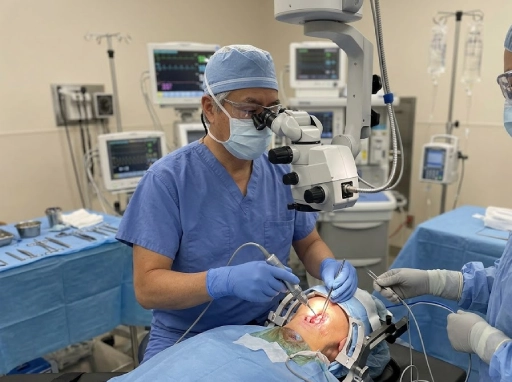
Cervical Foraminotomy
In this process, surgeons treat compressed neck nerves. The posterior cervical foraminotomy approach works from the back of the neck, where anterior cervical foraminotomy surgery reaches the same nerve from the front.
- Relieves arm pain and tingling
- Cervical posterior foraminotomy spares discs
- No fusion for most patients
- Grip strength returns over weeks
- Soft collar optional, not standard
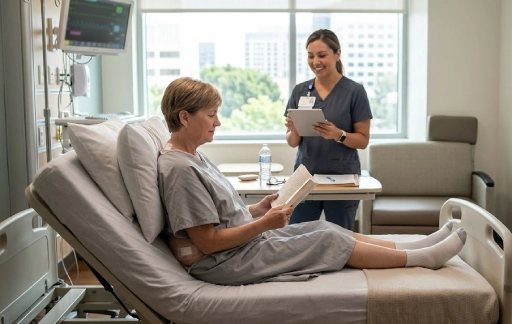
Endoscopic Foraminotomy
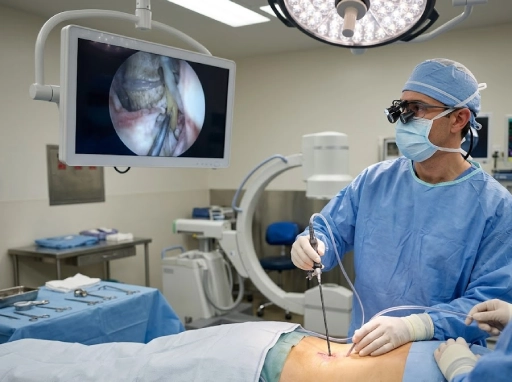
An endoscopic foraminotomy uses a camera and a tube about the width of a pencil. Muscle stays intact. Endoscopic foraminotomy surgery means less blood loss and a faster trip home.
- Incision smaller than a dime
- The camera guides each surgical step
- Local or general anesthesia options
- Walk within hours of surgery
- Lower infection risk than open
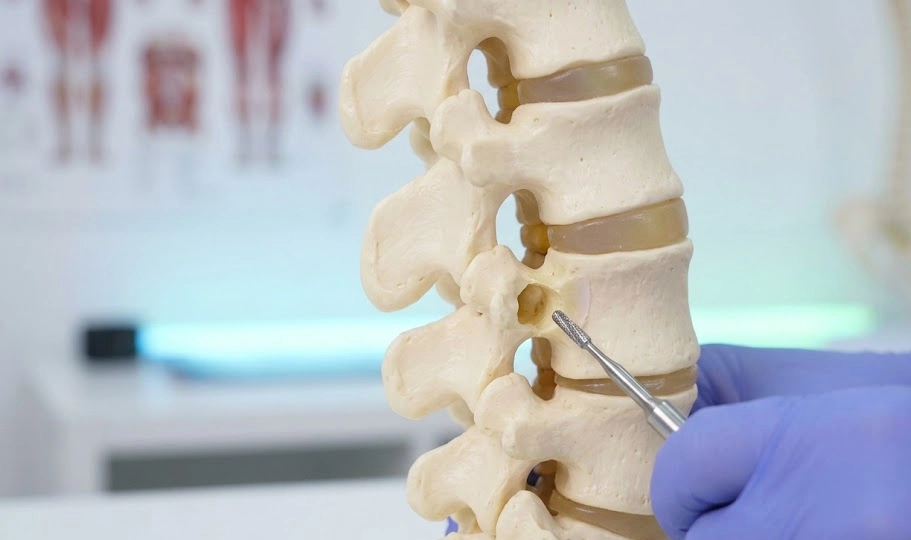
Foraminotomy vs Laminectomy
Laminectomy removes the canal roof. Foraminotomy clears one nerve exit and leaves the rest alone. Some patients need a combined laminectomy and foraminotomy.
- Central canal stenosis favors laminectomy
- Foraminal narrowing needs less bone removal
- Smaller opening, quicker healing time
- Both take pressure off the nerves
- MRI findings decide the match
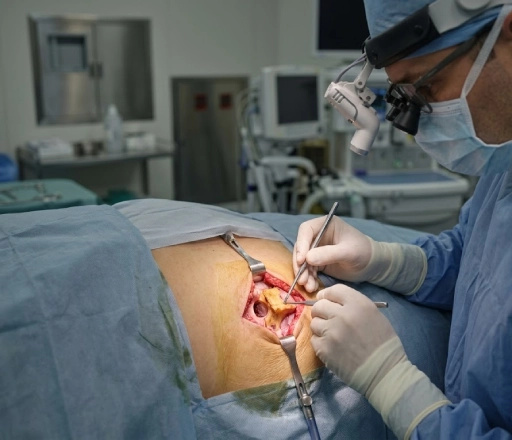
Foraminotomy vs Laminotomy
Surgeons perform a laminotomy and foraminotomy when pressure hits from two directions. Alone, a laminotomy opens a window in the lamina bone, not the foramen.
- Laminotomy enters through the lamina
- Foramen work frees exiting nerves
- Different bones, same pain relief
- Neither removes the whole lamina
- One incision can cover both
Facetectomy and Foraminotomy
Some nerve tunnels need extra clearing. A facetectomy and foraminotomy pair up when arthritis thickens the facet joint. The surgeon trims the overgrowth, then widens the opening.
- Trims overgrown facet joint edges
- Clears arthritic bone spurs too
- Partial removal protects joint stability
- Extra room for swollen nerves
- Severe cases may need fusion
- Conditions
Conditions Treated With Foraminotomy Surgery
Nerve compression starts in different ways. A disc can push into the opening. Bone grows where it should not, or a joint thickens with age. The pain feels similar either way, but the cause shapes the surgical plan. These six conditions respond well to foraminal decompression.
Foraminal Stenosis
The foramen is a small tunnel between two vertebrae. Each spinal nerve passes through one on its way out of the spine. Foraminal stenosis means that the tunnel has narrowed. Pressure builds on the nerve inside. Symptoms follow the nerve path: down an arm from the neck and down a leg from the lower back. This is the exact problem a foraminotomy corrects. The surgeon widens the tunnel, and the pressure drops.
Sharp pain that shoots past the elbow or knee. Tingling in the fingers or toes. A herniated disc pushes its soft center outward, and when the bulge points toward the foramen, the exiting nerve takes the hit. Rest and therapy resolve many cases. When they do not, surgery clears the material and frees the nerve. Sometimes that means widening the opening alone. Sometimes the disc fragment comes out too.
Bone Spurs
Bone reacts to stress by making more bone. Years of load leave small ridges called spurs along the vertebrae. Most cause no trouble. A spur that grows into the foramen is different. It takes up the space the nerve needs, and medication cannot shrink bones. Removing the spur through a small opening gives the nerve its room back.
Discs lose water content with age. They flatten. As disc height drops, the vertebrae sit closer together, and every foramen between them shrinks. Patients notice stiffness first, then feel nerve pain that comes and goes. The process moves slowly, which is why symptoms creep up over years. Widening the narrowed openings relieves the pinch without touching the disc itself.
Facet Joint Arthritis
Facet joints link each vertebra to the next. Arthritis makes them swell and grow larger, and an enlarged joint presses straight into the nerve tunnel beside it. Morning stiffness in the neck or back is a common early sign. Trimming the joint edge and widening the tunnel work together here. The facetectomy card above covers that exact pairing.
Spondylolisthesis
One vertebra slides forward over the one below it. The slip drags the foramen out of shape and stretches the nerve inside. Grades matter here. A mild, stable slip may only need the opening widened. A severe or unstable slip needs fusion to hold the bones still. Imaging and a physical exam settle which category applies.
- Benefits
Benefits of Foraminotomy Surgery
Patients ask why a surgeon would pick this procedure over a bigger operation. The answer sits in what a foraminotomy leaves alone. Discs stay. Joints stay. The spine moves the way it did before, minus the pain. Four advantages come up again and again at follow-up visits.
The Spine Keeps Its Natural Motion
Fusion locks two vertebrae together for life. This procedure does nothing of the sort. The joint still bends and carries load.
Motion matters for the levels above and below. When one segment stops moving, its neighbors absorb extra stress. A mobile segment protects them.
- No implants or hardware needed
- Bending and twisting stay possible
- Adjacent levels avoid extra stress

Small Incision, Less Tissue Damage
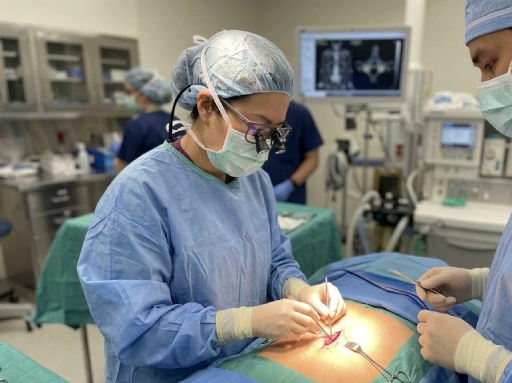
The incision measures an inch or less. The surgeon moves the muscle aside rather than cutting through it. Blood loss stays low.
Less damage means the body has less to repair. Pain after surgery reflects that. Many patients manage with short courses of mild medication.
- Incision nearly one inch long
- The surgeon spares the back muscle
- Lower blood loss than open
Relief Starts at the Source
Medication masks nerve pain. Injections calm it for a while. Neither removes the bone pressing on the nerve.
This surgery does. Once the opening widens, the compression ends. Shooting pain eases first for most patients. Numbness fades over weeks as the nerve heals.
- Targets the exact compression point
- Shooting pain settles down early
- Nerve function returns over weeks

You Go Home Fast
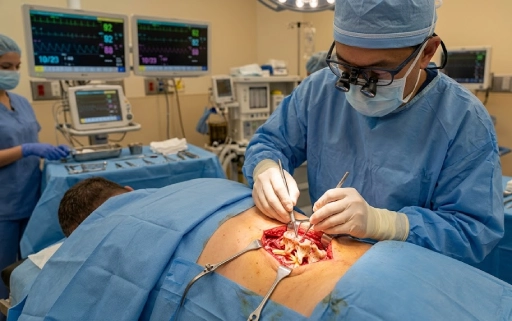
Many patients leave the same day. Others stay one night for observation. Stays past two days are unusual for this procedure.
Walking starts within hours. Desk work resumes in a week or two for most people. The recovery section below covers the full timeline.
- Same-day discharge for many patients
- Walking within a few hours
- Desk work within two weeks
- Who Needs
Who Is a Candidate for Foraminotomy Surgery
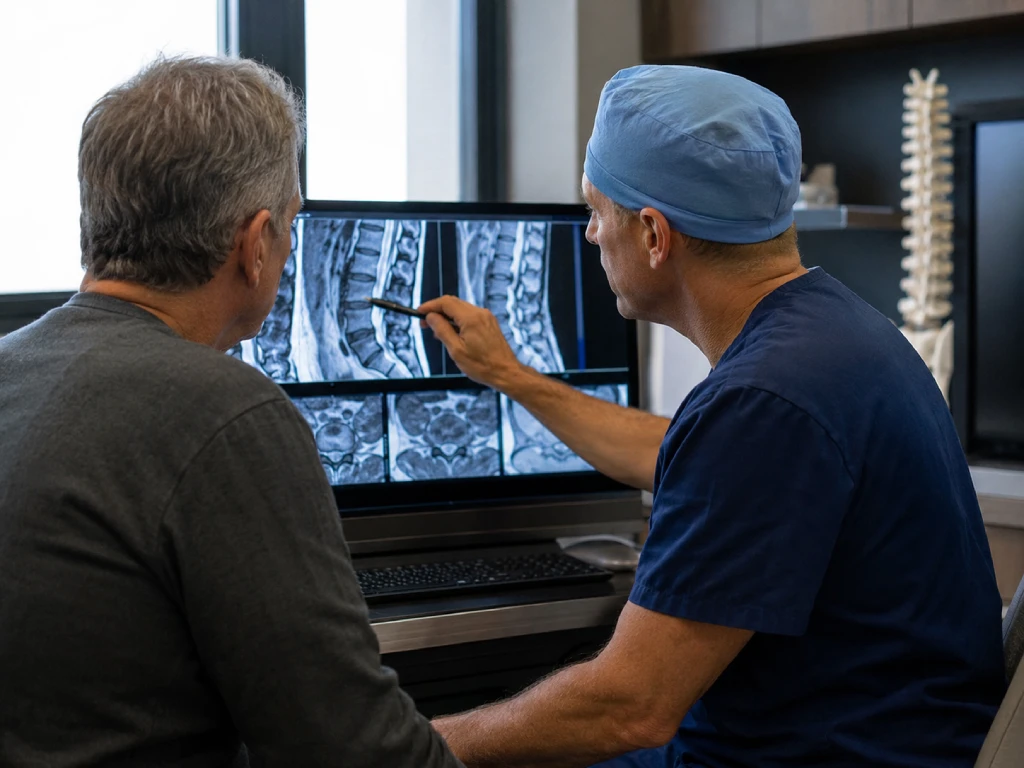
A patient can be a candidate when a tight nerve opening in the spine causes pain that moves into the arm or leg. Also, some patients feel numbness, tingling, weakness, or trouble walking. Before surgery, the surgeon checks and examines the scanning results and gives the necessary response to non-surgical care.
Pain Moving Into the Arm or Leg
This pain does not always stay near the spine. It may travel into the shoulder, arm, hand, hip, leg, or foot. That travel pattern can suggest nerve pressure.
Numbness, Tingling, or Weak Muscles
Some patients feel pins and needles. Others notice a weaker grip, a heavy leg, or a foot that feels less steady. These changes can point to nerve compression.
Relief Does Not Last With Other Care
Therapy, medicine, rest, or injections may help for a short time. When symptoms keep returning, surgery may come into the discussion because the nerve still lacks enough space.
Walking or Hand Use Becomes Harder
A patient may struggle with balance, grip, steps, or daily movement. When imaging shows a narrowed foramen in the same area, foraminotomy may help relieve that pressure.
- Procedure
Foraminotomy Surgery Procedure
The operation moves faster than most patients expect. Total foraminotomy surgery time runs from one to two hours for a single spinal level. Planning fills more calendar days than the procedure itself. Your surgeon maps the compressed nerve on imaging and confirms the affected level during your physical exam. Only then does the surgical team book an operating room date.
Pre-Surgical Planning
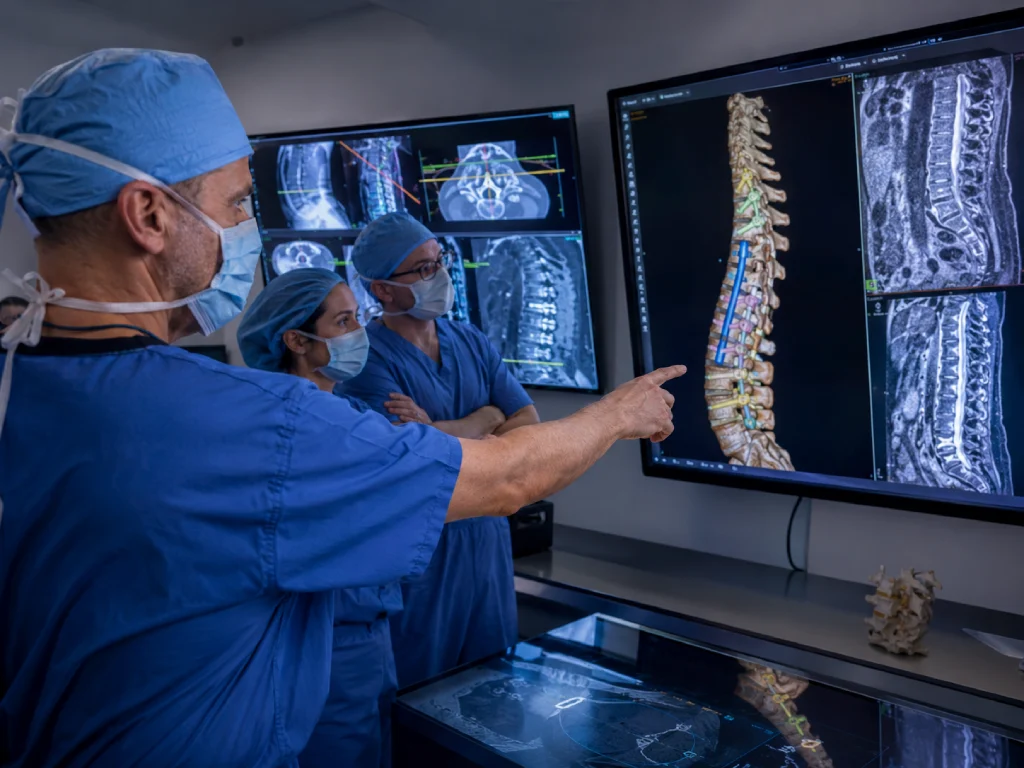
Every compression pattern sits differently. A bone spur at C6 needs a different surgical angle than a collapsed foramen at L5. The planning stage sets each variable in advance. Imaging shows exactly where the nerve loses space. Your exam confirms the symptomatic level. The surgical approach follows from both findings.
Imaging Review
MRI shows the compressed nerve and the tissue crowding it. CT adds bone detail when spurs complicate the picture.
Symptom and Level Matching
Imaging findings must match your symptoms. The surgeon tests reflexes and strength to confirm which nerve root causes trouble.
Approach Selection
Endoscopic or open, front or back. Your anatomy and the compression source decide the route, not a fixed template.
Anesthesia and Health Review
The anesthesia team reviews your medical history and current medications. Heart or lung concerns get extra attention before surgery day.
- Recovery
Foraminotomy Surgery Recovery Time
Recovery reads simpler online than it feels at home. Some patients bounce back within days. Others need the full six weeks. Nerves set their own pace, and no schedule can rush them. Your foraminotomy recovery time depends on the level treated, your job demands, and how long the nerve stayed compressed before surgery. The stages below track healing for most patients.
01
The First Days at Home
Many patients walk within hours and leave the same day. The first week centers on short walks around the house and simple incision care. Pain medication needs to drop fast. Dizziness waits until you stop the medication and can turn without guarding yourself. Some desk workers log back in before the week ends.

02
Physical Therapy and Strength Work
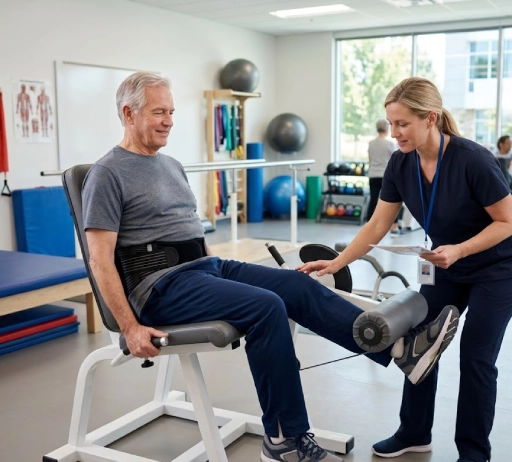
Therapy starts around week two with gentle range-of-motion work. Lifting caps at ten pounds early on. Strength exercises build from there. Most office employees return between weeks one and three. Physical jobs wait closer to week six. Numbness fades more slowly than pain, sometimes over several months.
03
Cervical vs Lumbar Timelines
Location shifts the schedule a little. Cervical foraminotomy recovery time is shorter for most patients. Arm pain eases within days, and most skip the neck collar entirely. Lumbar foraminotomy recovery time stretches longer because the lower back carries body weight with every step. Lumbar patients build toward thirty-minute walks by week four.

04
Combined Procedures Take Longer
Some operations pair procedures in a single visit. The laminectomy, facetectomy, and foraminotomy recovery time runs six to twelve weeks for most patients because the surgeon removes more bone. Add a fusion, and the timeline extends into months. Your surgeon approves each step back toward normal activity one at a time.
- Why Choose Dr. Albert Wong
Why Choose Dr. Albert Wong for Foraminotomy Surgery?
Patients comparing spine surgeons in Los Angeles usually start with credentials. Credentials matter. Restraint matters just as much.
Dr. Wong is a dual fellowship-trained neurosurgeon focused on minimally invasive and complex spine procedures. His approach to nerve decompression stays narrow on purpose. Remove what presses on the nerve. Protect everything else. That restraint shapes the whole surgical plan, from start to finish.
A Practice Centered on the Spine
Spine surgery is the whole practice, not one service among many. Nerve decompression procedures fill the surgical calendar week after week, and that repetition shows in the operating room. Steady hands come from focused volume, not general variety.
- Dual fellowship training in minimally invasive and complex spine surgery
- Spine-focused neurosurgery practice serving Los Angeles patients
- Nerve decompression procedures anchor the weekly surgical schedule
Tools Serve the Plan, Not the Reverse
Modern equipment fills the operating room here, surgical microscopes and endoscopic systems included. None of it picks your procedure. Dr. Wong reads your imaging and matches the approach to your anatomy. The tool comes last, after the plan.
- Endoscopic and open techniques both available when they fit
- Imaging findings drive the surgical approach every time
- Technology supports judgment instead of replacing it
Care That Continues After Discharge
Discharge is not the end of care. The office books your follow-up visit before you head home and coordinates when physical therapy should start. Post-op questions go straight to the care team, not an answering service. Small worries caught early stay small.
- Follow-up visit on the calendar before discharge
- Direct line to the care team for post-op questions
- Therapy start dates are set around your healing pace
- Area We Serve
Foraminotomy Surgery in Los Angeles and Surrounding Areas
Care here draws patients from all over Los Angeles. Some just need a straightforward foraminotomy surgery in Los Angeles. Others arrive after years of nerve pain, needing a cervical, lumbar, or thoracic foraminotomy or a more complex combination of spine procedures. Dr. Wong builds each plan around the patient in front of him, not a fixed protocol, with an eye toward long-term nerve relief rather than a quick fix.
- Patient Testimonial
What our patients says
EXCELLENTTrustindex verifies that the original source of the review is Google. When I went to see Dr. Wong, my spinal cord was 85% compressed at the T12 level and I had multiple issues in my lumbar spine, my back from T11 to S1 was failing me. I needed the assistance of a walker to walk and balance. I had a previous surgery with another surgeon and it was deemed as failed, my situation was not good. Dr. Wong literally rebuilt my spine from T11 to S1, if it weren’t for Dr. Wong and his incredible team, I would probably be in a wheelchair right now. Dr. Wong is a gifted surgeon who sincerely cares about his patients and the work he does. I am forever grateful and consider myself very fortunate and blessed to be his patient. Thank you Dr. Wong and team for giving me hope again.Posted on GoogleTrustindex verifies that the original source of the review is Google. Dr. Albert Wong is one of the BEST neurospine doctors in California! He really cares about patient care, he takes his time to listen and explain everything clearly. He builds trust with his patients. He has help so many patients get their life back, just one of the best doctors. Dr. Wong will make the time for his patients. Definitely recommend him!Posted on GoogleTrustindex verifies that the original source of the review is Google. Dr Wong is an amazing doctor! Dr Wong’s expertise and bedside manners are top notched. He is a tremendous surgeon as well. I would highly recommend Dr Wong as your ortho.Posted on GoogleTrustindex verifies that the original source of the review is Google. Dr. Albert Wong quite literally saved my life. I suffered from a quarter sized brain bleed and was rushed into emergency surgery. He not only allowed me to keep my hair and only shaved right where the surgery was performed, but he did such an amazing job. The area where I had surgery was numb for the first couple of months and I'm happy to report I have all feeling back in the designated area. Truly could not recommend him enough. He's also one of the kindest people I've ever had the pleasure of knowing. Would recommend him TENFOLD to anyone needing surgery.Posted on GoogleTrustindex verifies that the original source of the review is Google. I had back surgery, it was a successful procedure. Great bedside manner, great follow-up.Posted on GoogleTrustindex verifies that the original source of the review is Google. I’ve had surgery With Dr. Wong twice Once on the cervical and other was my spine. I had nothing but a great experience with him and his staff considering it was major surgery I’ve never felt better and I’m back to doing all the things I love but was unable to do before. Thank you Dr Wong 🙏🏻Posted on GoogleTrustindex verifies that the original source of the review is Google. Dr Wong is an exceptional, talented surgeon who cares deeply for his patients. Highly recommend!Posted on GoogleTrustindex verifies that the original source of the review is Google. Dr. Wong is an exceptional physician… thorough, knowledgeable, and compassionate. He listens and explains everything clearly. His attention to detail is unmatched. I trust him completely as he has greatly improved my life.Posted on GoogleTrustindex verifies that the original source of the review is Google. Dr Wong is an amazing Surgeon who was very thorough and explained in detail what my condition was and what to expect from surgeryPosted on GoogleTrustindex verifies that the original source of the review is Google. Dr. Wong has been helping me with sciatica issues for a long time. He’s very thoughtful with his care and I appreciate his thoroughness. My pain is much more manageable and he’s a big reason. Thank you Dr. Wong!
- Faqs
FAQs About Foraminotomy Surgery
Most patients ask these questions after dealing with nerve pain for a while. The pain may run down the arm. Or the leg. Sometimes the bigger problem is numbness, weak grip, poor balance, or not being able to stand as long as before. These FAQs explain what foraminotomy surgery does, how recovery usually works, and how Dr. Wong decides if this procedure fits your spine problem.
A foraminotomy opens the small space where a spinal nerve leaves the spine. That space can get crowded by bone, ligament, or disc tissue. When the nerve loses room, pain and numbness can follow. The surgery clears that tight spot so the nerve has more space.
Yes, it is still spine surgery. But it is not always a large open operation. Many patients have a smaller incision, less muscle disruption, and a shorter hospital stay. The treated level, your health, and the surgical approach decide how involved the procedure becomes.
Foraminotomy surgery recovery time is different for each patient. Many people walk on the same day. Light work may return within one to two weeks. Nerve healing takes longer. Pain often improves first. Numbness, tingling, or weakness may need more time.
Foraminotomy vs. laminectomy comes down to location. Foraminotomy works on the nerve exit opening. Laminectomy opens more space in the spinal canal. Some patients need one procedure. Some need laminectomy and foraminotomy together, depending on where the nerve pressure sits.
Cervical foraminotomy recovery time can feel shorter for some patients because the neck carries less body weight. Lumbar foraminotomy recovery time may take longer. The lower back works every time you stand, walk, bend, or lift.
Facetectomy foraminotomy recovery depends on how much joint bone the surgeon trims. A small trim may heal faster. A laminectomy, facetectomy, and foraminotomy recovery time can run longer because more bone and tissue are involved. Dr. Wong explains the expected timeline before surgery.
- Visit Our Clinic
Schedule a Consultation for Foraminotomy Surgery
Take the first step toward lasting relief. Dr. Albert Wong offers foraminotomy, laminectomy, and discectomy under our spinal decompression surgery program. Schedule your personalized Los Angeles consultation today.