Minimally Invasive Spine Surgery in Los Angeles
Dr. Albert Wong performs minimally invasive spine surgery for patients dealing with herniated discs, spinal stenosis, instability, nerve compression, and other spinal problems that keep getting in the way of normal movement and daily life.
A lot of people hear “minimally invasive” and picture something quick and simple. That’s usually not how spine surgery works. The surgery can still be complex. The spine is still the spine.

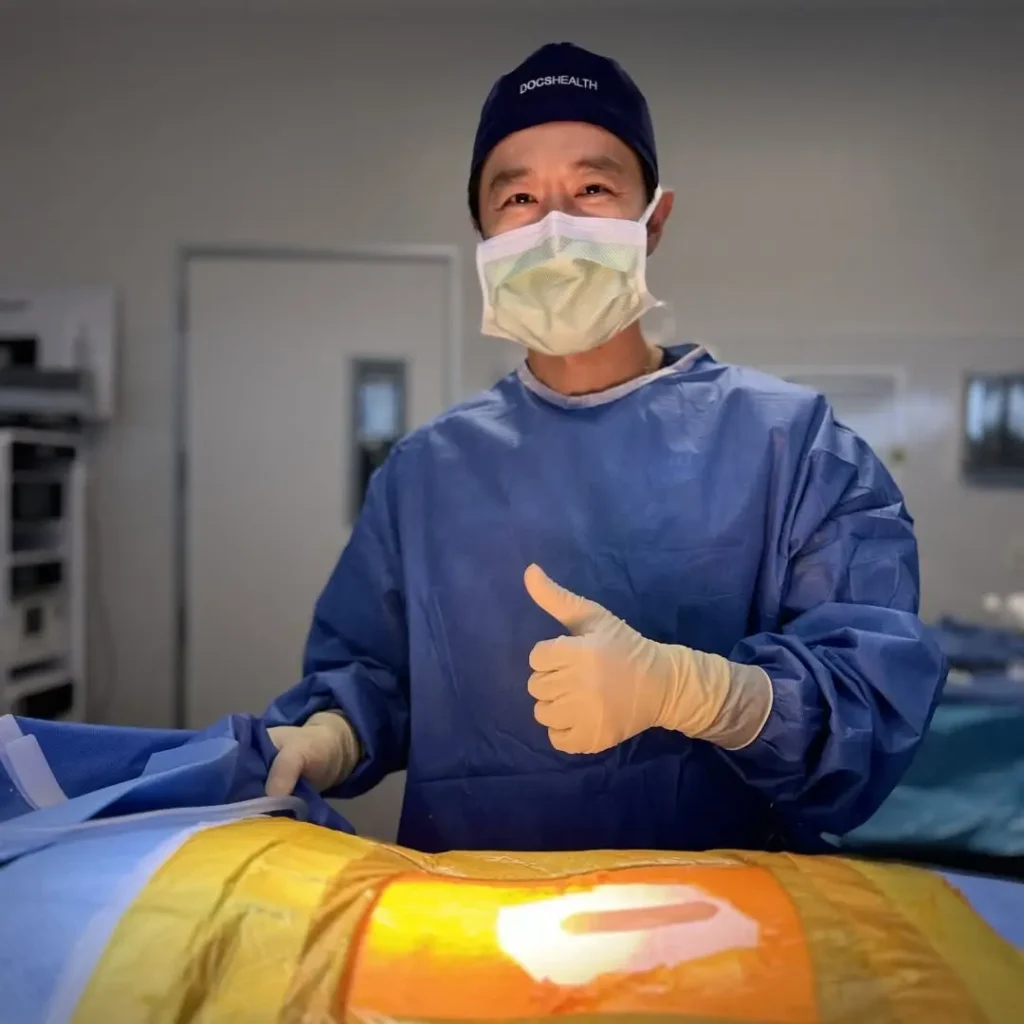
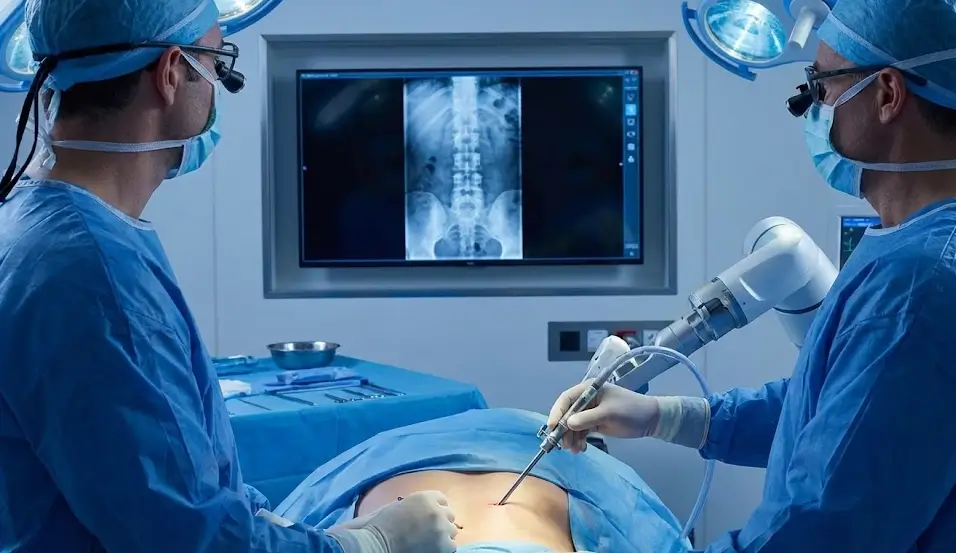
- Minimally Invasive Spine
What Is Minimally Invasive Spine Surgery?
Minimally invasive spine surgery is a way of treating spinal conditions through smaller openings instead of the larger incisions commonly used in older open procedures. Specialized instruments and imaging systems help surgeons work through tighter spaces while still treating the compressed nerve, damaged disc, or unstable part of the spine directly. People sometimes assume smaller incisions mean the surgery itself is somehow “light.” Not really. There’s still planning. There’s still risk. There’s still recovery afterward. What surgeons try to avoid is unnecessary muscle disruption, getting down to the spine in the first place.
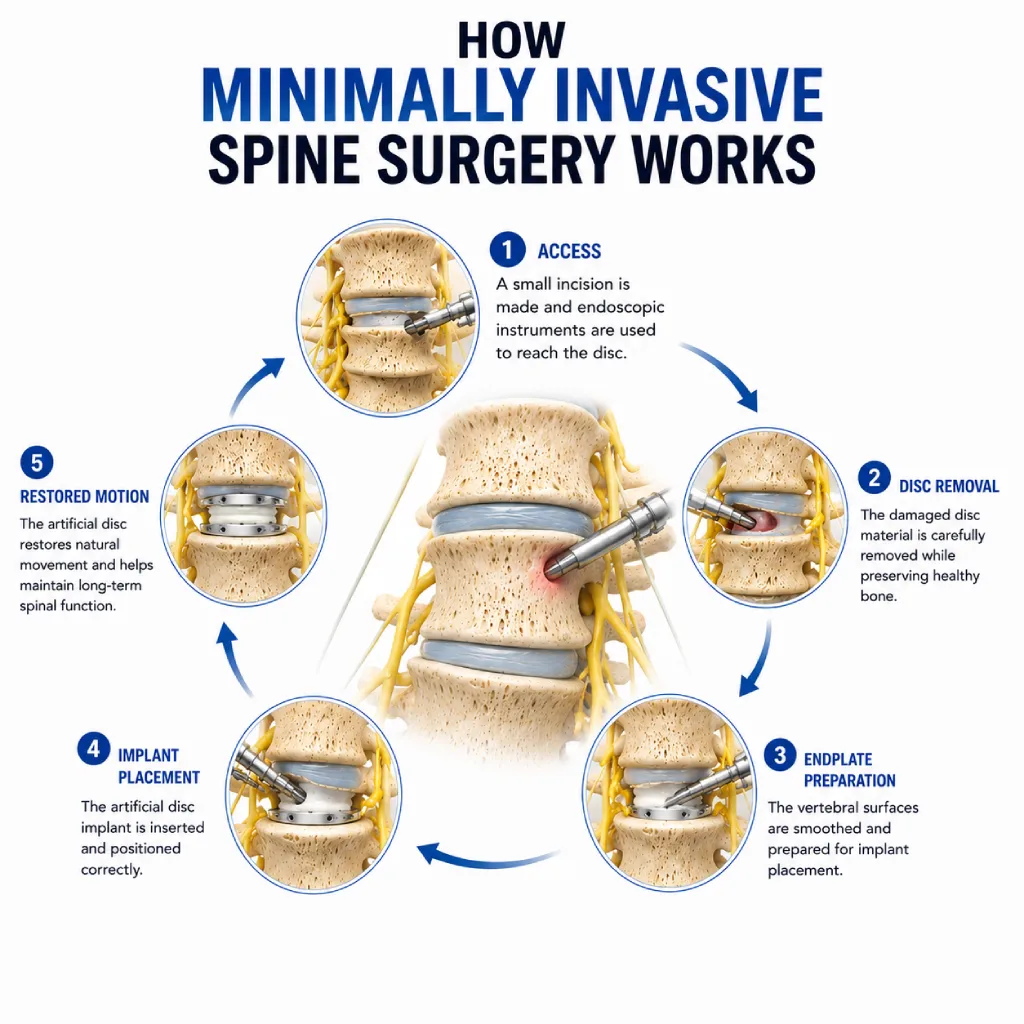
How Minimally Invasive Spine Surgery Works
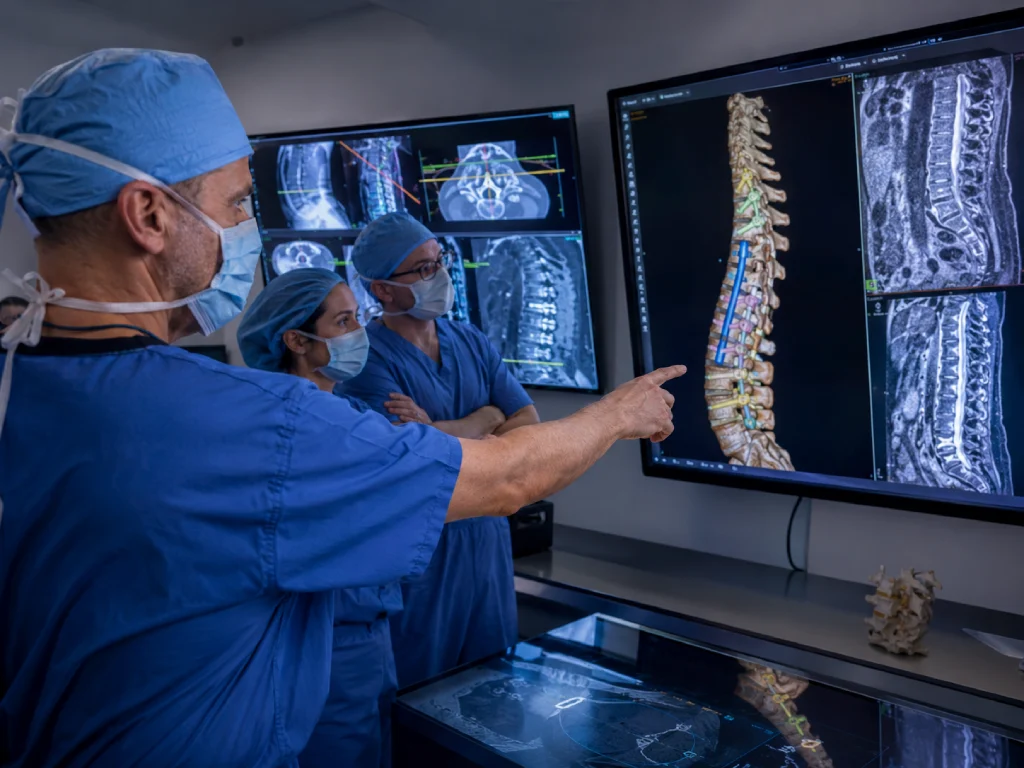
Before surgery, imaging is reviewed carefully to understand exactly where the compression or instability is happening. That sounds obvious, but spine symptoms are not always straightforward. Some MRI findings look dramatic even when symptoms are manageable. Other patients look relatively mild on imaging but are struggling to walk through a grocery store without stopping every few minutes.
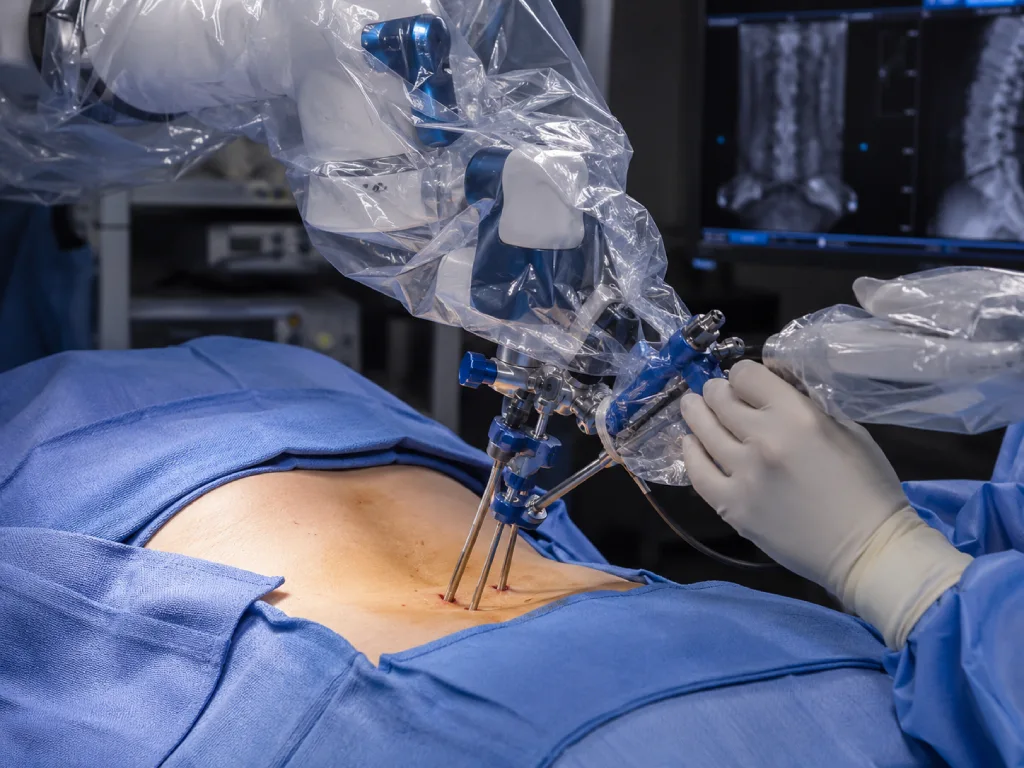
During minimally invasive procedures, surgeons work through smaller surgical pathways using imaging guidance and specialized instruments designed for narrower access points. The space is smaller. The precision matters more because of it.
Difference Between Minimally Invasive and Traditional Spine Surgery
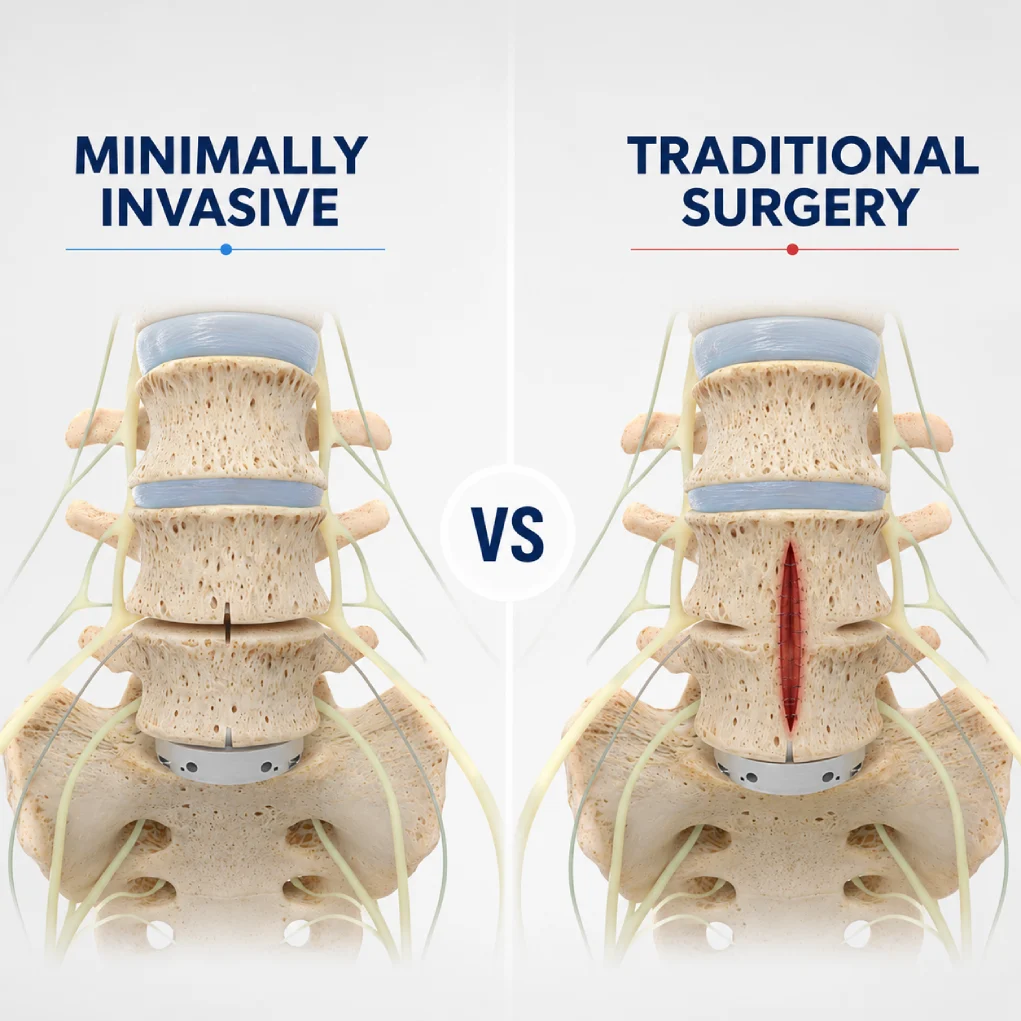
Traditional spine surgery usually requires wider exposure to reach the spine directly. The incision is larger, and more surrounding muscle often needs to be moved aside during the operation. Minimally invasive approaches try to reduce some of that disruption while still treating the same underlying spinal condition. Sometimes, patients researching spine surgery minimally invasive options think it’s a completely different category of surgery. It’s really not.
The goal is still decompressing nerves, stabilizing the spine, removing damaged disc material, or correcting instability.
Safety and Effectiveness Benefits
When the procedure matches the condition properly, minimally invasive surgery can work very well for relieving nerve compression and improving stability.
A lot of minimally invasive spine surgery success rate studies focus on mobility, recovery time, post-operative pain, and complication rates compared to traditional surgery.
Still, no surgeon should pretend that smaller incisions remove every possible risk. That would be nonsense.
- Conditions
Conditions Treated with Minimally Invasive Spine Surgery
Not every spine condition needs surgery. Plenty of patients improve with therapy, injections, medication, or other spine care services before surgery is considered. Others keep declining anyway. That’s usually when surgical discussions start becoming more serious.
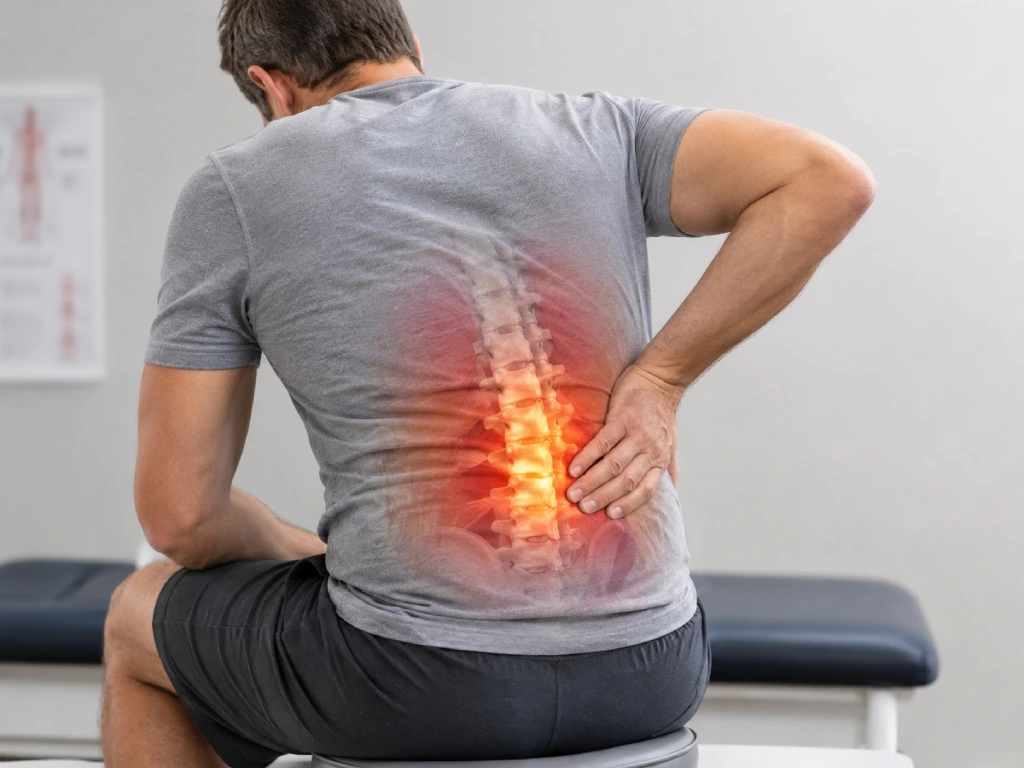
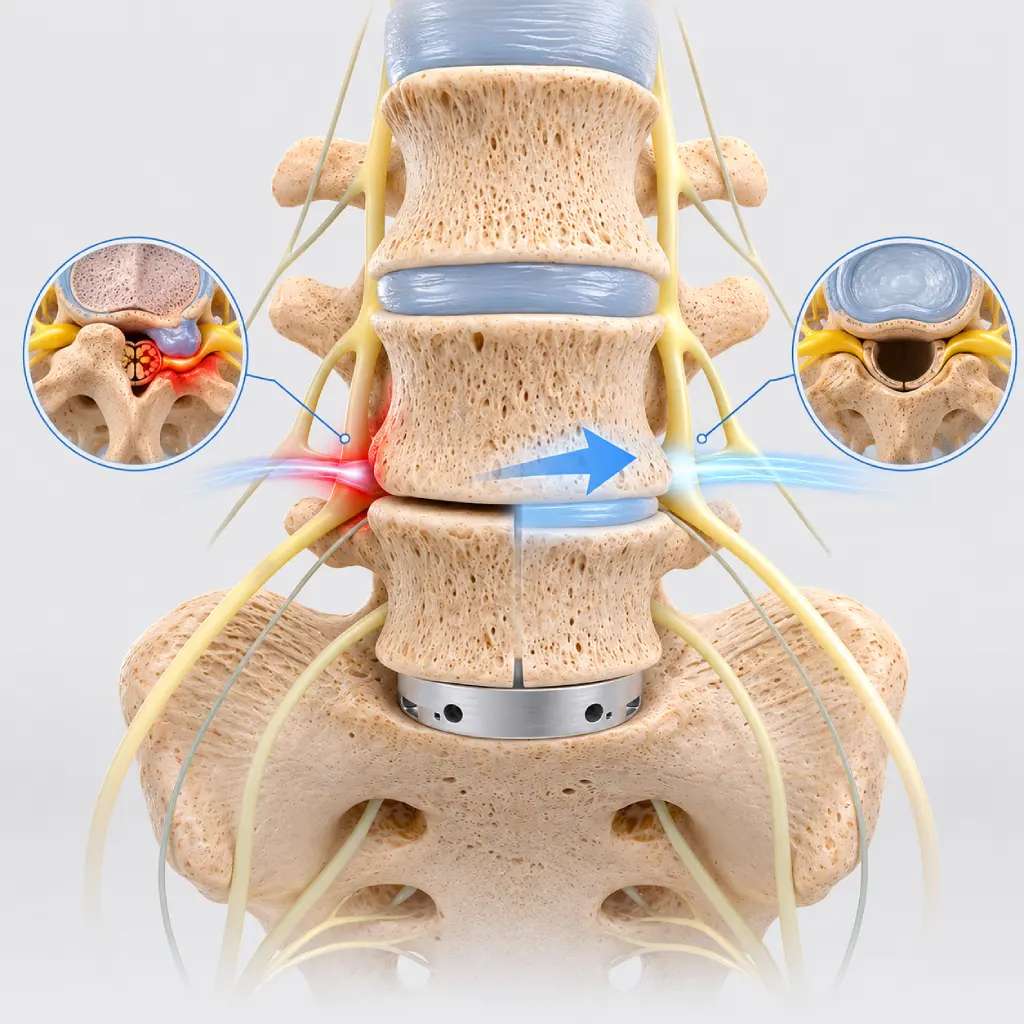
A herniated disc can irritate nearby nerves and create pain that travels into the arm or leg. Some patients describe sharp pain. Others say it burns or feels electrical. When symptoms stop improving with conservative care, surgery may become an option. Procedures involving microdiscectomy minimally invasive spine surgery are commonly used to remove pressure from the affected nerve while limiting disruption nearby.
Spinal stenosis develops when the spaces around spinal nerves narrow over time. Walking becomes frustrating. Standing in one spot starts triggering pain or heaviness down the legs. A lot of patients lean forward over shopping carts without even realizing why they’re doing it. Minimally invasive spine surgery for spinal stenosis may help relieve nerve pressure while avoiding some of the larger tissue exposure associated with traditional open surgery.
Discs wear down naturally with age, but sometimes degeneration becomes severe enough to create chronic pain, instability, or persistent nerve irritation. For some patients, minimally invasive stabilization procedures may help support the spine without requiring the same level of exposure used in older open approaches.
Spondylolisthesis
Spondylolisthesis happens when one vertebra slips forward over another. Depending on how unstable the spine becomes, patients may develop back pain, nerve symptoms, leg weakness, or trouble walking for longer periods. In certain cases, minimally invasive fusion procedures may help improve spinal stability while reducing surrounding muscle disruption during surgery.
- Benefits
Benefits of Minimally Invasive Spine Surgery
Most patients are not overly interested in surgical terminology. They want to know how rough recovery might feel and whether there’s a realistic path back to normal movement again. That’s usually the real concern underneath everything else.
Smaller Incisions and Less Tissue Damage
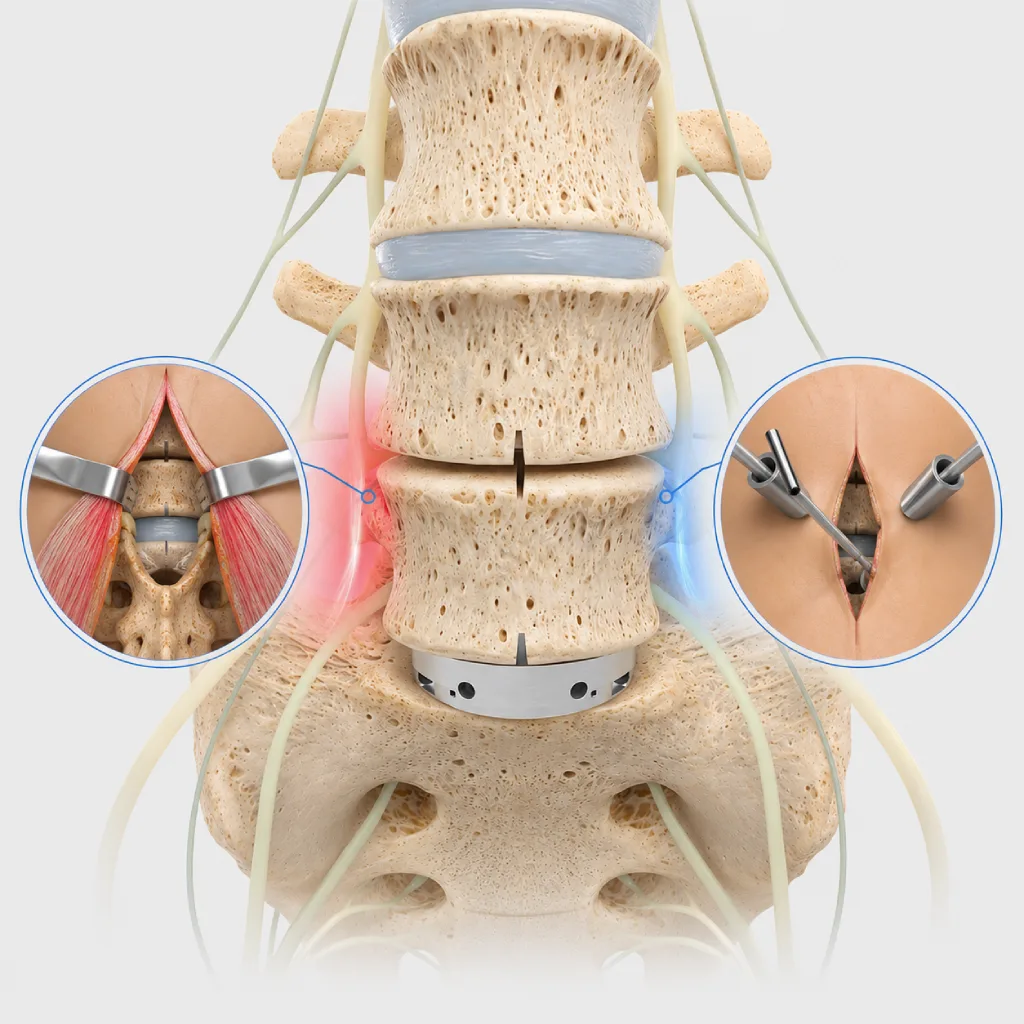
One advantage of minimally invasive spine surgery is the ability to treat certain spinal problems through smaller surgical openings. That may help reduce muscle damage around the surgical area.
Less tissue disruption sometimes means easier mobility early in recovery compared to larger open procedures.
- Smaller surgical openings
- Reduced muscle disruption
- Less strain on the surrounding tissue
- Lower blood loss in some procedures
Faster Recovery Time
Recovery from minimally invasive spine surgery still takes time. Some people expect to bounce back immediately because the incision is smaller. Usually, it doesn’t work like that.
But many patients do begin walking sooner and returning to lighter activity earlier because the surrounding tissue often experiences less surgical trauma.
- Earlier walking after surgery
- Shorter hospital stays for some patients
- Faster return to lighter daily activity
- Reduced physical strain during recovery
Reduced Hospital Stay
Some minimally invasive procedures allow patients to return home sooner, depending on the surgery performed and how recovery is progressing afterward.
That varies more than people expect though. Age, overall health, nerve involvement, and the complexity of the surgery all matter.
- Shorter hospitalization in some cases
- Earlier transition into home recovery
- Reduced mobility limitations after surgery
- Gradual return to normal movement
Improved Surgical Precision
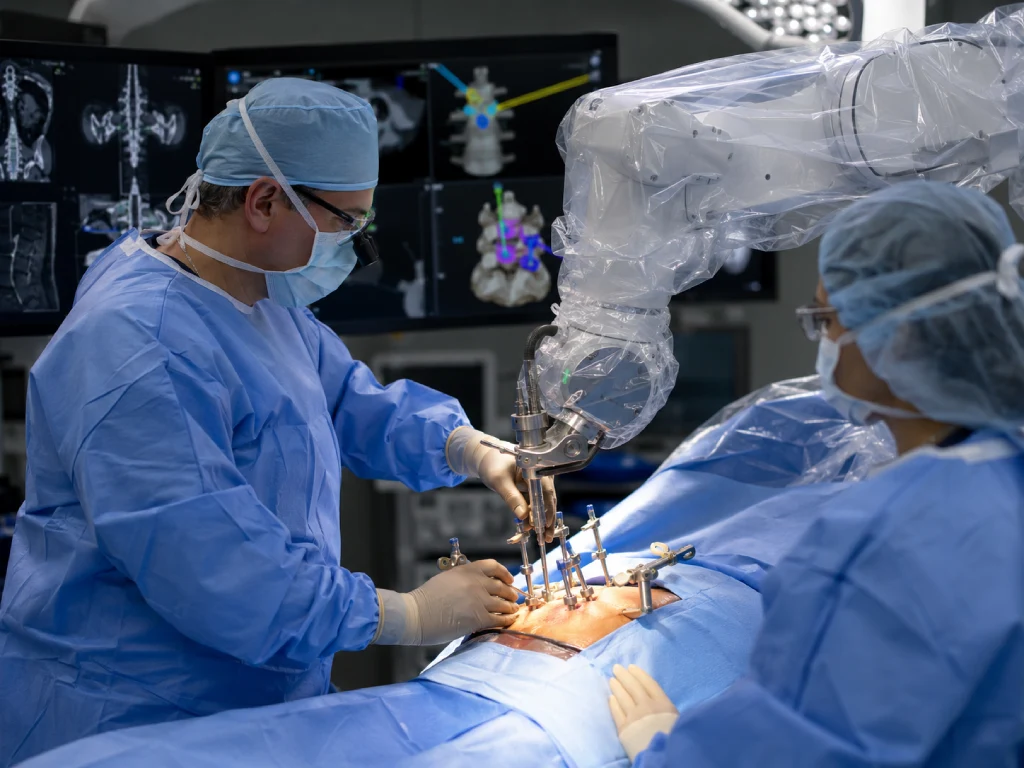
Minimally invasive procedures rely heavily on imaging guidance and detailed surgical planning because surgeons are working through smaller access points. There’s not much room for sloppy positioning around spinal nerves.
- Detailed imaging guidance during surgery
- More targeted surgical access
- Improved procedural planning beforehand
- Reduced disruption around sensitive structures
- Who Needs
Who Is a Candidate for Minimally Invasive Spine Surgery?
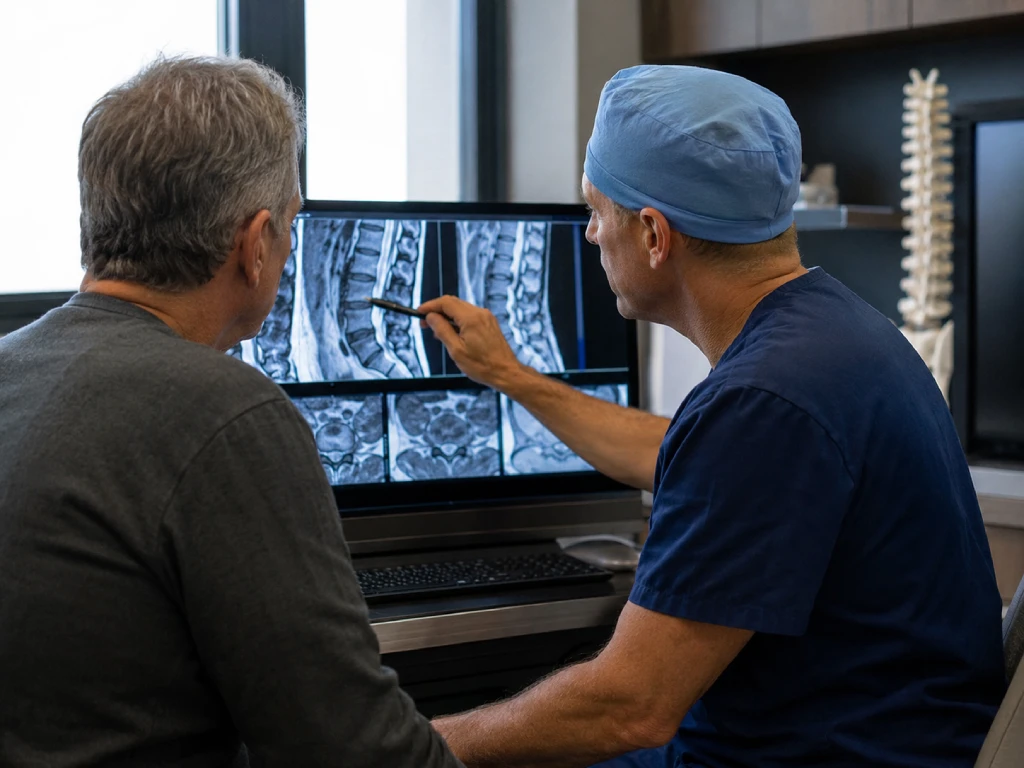
MRI results alone usually do not decide whether somebody needs surgery. That surprises people sometimes.
Some patients have severe-looking scans and manageable symptoms. Others have relatively modest imaging findings but can barely get through normal daily activity anymore.
Whether someone qualifies for minimally invasive surgery depends on symptoms, instability, nerve compression, weakness, physical exam findings, and how much the condition affects everyday life.
When Surgery May Be Needed
Surgery may become part of the discussion when symptoms continue worsening despite conservative treatment. That may include persistent nerve pain, worsening weakness, numbness, walking difficulty, spinal instability, and loss of function over time. Some patients wait years, hoping things calm down on their own, before finally seeking surgical evaluation.
Patient Evaluation
Process
The evaluation process usually involves imaging review, physical examination, symptom history, and discussion about previous treatment attempts. The goal is to figure out what is actually causing the symptoms instead of simply reacting to whatever appears on an MRI scan. Not every abnormal scan needs surgery.
Non-Surgical Options Considered First
Most patients go through conservative treatment before surgery is discussed seriously. That may include physical therapy, injections, medication management, activity modification, and rehabilitation aimed at improving mobility and reducing inflammation. Some improve enough to avoid surgery entirely.
- Procedure
Minimally Invasive Spine Surgery Procedure
The surgery itself is only part of the process. Planning starts much earlier than most patients realize. Imaging studies, alignment, nerve compression patterns, and surgical access points are all reviewed beforehand so the procedure can be mapped carefully around the patient’s anatomy.
Pre-Surgical Planning
Detailed imaging is reviewed before surgery to help determine the safest and most effective surgical pathway. That planning stage matters even more during minimally invasive procedures because the working space is tighter.
MRI and imaging review
Scans help identify nerve compression and spinal instability before surgery.
Surgical pathway planning
Access points and positioning are reviewed ahead of time.
Procedure-specific risk assessment
Potential challenges are evaluated before the operation begins.
Personalized surgical mapping
The procedure is planned around the patient’s anatomy and condition.
Surgical Procedure Steps
Most minimally invasive spine surgery procedures use smaller incisions and specialized instruments designed for narrower surgical access. The exact procedure depends on the spinal condition being treated.
Smaller incision approach
Specialized instruments are inserted through smaller surgical openings.
Targeted nerve decompression
Compressed nerves are relieved carefully during surgery.
Minimally invasive stabilization
Fusion or stabilization procedures may be performed when instability is present.
Real-time imaging guidance
Imaging systems help improve positioning and surgical accuracy throughout the operation.
Post-Surgery Recovery
Patients are monitored after surgery while pain control and movement begin gradually. Recovery after minimally invasive spine surgery varies depending on the procedure itself and the severity of the spinal condition beforehand.
Post-operative monitoring
Patients are observed closely during the early recovery period.
Pain management support
Medication and recovery instructions help manage discomfort afterward.
Early walking and mobility
Many patients begin light movement shortly after surgery.
Recovery guidelines
Restrictions and rehabilitation plans are adjusted gradually over time.
- Recovery
Recovery After Minimally Invasive Spine Surgery
The internet tends to make recovery sound cleaner than it usually feels in real life. Some patients improve quickly. Others recover slowly over months. Nerves heal at their own pace, and spine surgery recovery rarely looks identical from one patient to another. Still, minimally invasive approaches may help reduce some of the physical stress associated with larger open surgery.
01
Recovery Timeline
The first several days usually focus on walking, pain control, incision healing, and avoiding excessive strain around the surgical area. Over the following weeks, strength and mobility often improve little by little. Full recovery after minimally invasive spine surgery may continue for several months, depending on the procedure and severity of the condition.

02
Physical Therapy and Rehabilitation
Rehabilitation plays a major role during recovery from minimally invasive spine surgery. Physical therapy may help improve posture, walking mechanics, flexibility, strength, and long-term spinal support as healing progresses. Recovery plans are usually adjusted gradually depending on symptoms and mobility.
03
Return to Normal Activities
Most patients return to activity gradually instead of jumping back into everything immediately. Lifting restrictions, work timelines, and exercise progression all depend on healing progress and the surgery performed. Trying to push recovery too aggressively usually causes problems instead of speeding things up.

- Why Choose us
Why Choose Dr. Wong for Minimally Invasive Spine Surgery?
Patients travel to Wong Spine from across Los Angeles and nearby communities for minimally invasive spine surgery, advanced spinal procedures, and complex spine care.Patients searching for the best minimally invasive spine surgery specialist are usually trying to find someone with experience and good surgical judgment, not somebody simply advertising newer technology. Technology matters. Decision-making matters more. Dr. Albert Wong is a dual fellowship-trained neurosurgeon specializing in minimally invasive and complex spine surgery in Los Angeles.
Experience in Complex Spine Cases
Dr. Wong treats conditions involving instability, nerve compression, degeneration, spinal deformity, and revision surgery. A large part of spine surgery is understanding when surgery genuinely makes sense and when conservative care still deserves more time.
- Dual fellowship training focused on minimally invasive and complex spine surgery
- Treats instability, degeneration, nerve compression, and revision cases
- Detailed surgical planning is used to improve procedural precision
Advanced Surgical Technology
Wong Spine uses advanced imaging systems, minimally invasive surgical tools, and modern spinal technology designed to improve surgical planning and procedural accuracy. That includes technology associated with endoscopic minimally invasive spine surgery and other advanced minimally invasive procedures.
- Advanced imaging supports surgical planning and positioning
- Smaller surgical approaches may reduce tissue disruption
- Modern technology assists with procedural accuracy during surgery
Patient-Centered Care Approach
Every spine case looks a little different. Some patients are trying everything possible to avoid surgery. Others have reached the point where weakness, pain, or walking difficulty is already interfering with normal daily life. Treatment recommendations are based on symptoms, imaging findings, physical limitations, and long-term goals rather than forcing the same plan onto everybody.
- Recommendations are based on symptoms, imaging, and patient goals.
- Patients have time to ask questions and understand treatment options.
- Care plans are adjusted around recovery progress and surgical outcomes
- Area We Serve
Serving Patients Across Los Angeles and Surrounding Areas
Patients travel to Wong Spine from across Los Angeles and nearby communities for minimally invasive spine surgery, advanced spinal procedures, and complex spine care. Dr. Wong treats a wide range of spinal conditions using modern surgical techniques focused on precision, recovery, and long-term movement.
- Patient Testimonial
What our patients says
EXCELLENTTrustindex verifies that the original source of the review is Google. When I went to see Dr. Wong, my spinal cord was 85% compressed at the T12 level and I had multiple issues in my lumbar spine, my back from T11 to S1 was failing me. I needed the assistance of a walker to walk and balance. I had a previous surgery with another surgeon and it was deemed as failed, my situation was not good. Dr. Wong literally rebuilt my spine from T11 to S1, if it weren’t for Dr. Wong and his incredible team, I would probably be in a wheelchair right now. Dr. Wong is a gifted surgeon who sincerely cares about his patients and the work he does. I am forever grateful and consider myself very fortunate and blessed to be his patient. Thank you Dr. Wong and team for giving me hope again.Posted on GoogleTrustindex verifies that the original source of the review is Google. Dr. Albert Wong is one of the BEST neurospine doctors in California! He really cares about patient care, he takes his time to listen and explain everything clearly. He builds trust with his patients. He has help so many patients get their life back, just one of the best doctors. Dr. Wong will make the time for his patients. Definitely recommend him!Posted on GoogleTrustindex verifies that the original source of the review is Google. Dr Wong is an amazing doctor! Dr Wong’s expertise and bedside manners are top notched. He is a tremendous surgeon as well. I would highly recommend Dr Wong as your ortho.Posted on GoogleTrustindex verifies that the original source of the review is Google. Dr. Albert Wong quite literally saved my life. I suffered from a quarter sized brain bleed and was rushed into emergency surgery. He not only allowed me to keep my hair and only shaved right where the surgery was performed, but he did such an amazing job. The area where I had surgery was numb for the first couple of months and I'm happy to report I have all feeling back in the designated area. Truly could not recommend him enough. He's also one of the kindest people I've ever had the pleasure of knowing. Would recommend him TENFOLD to anyone needing surgery.Posted on GoogleTrustindex verifies that the original source of the review is Google. I had back surgery, it was a successful procedure. Great bedside manner, great follow-up.Posted on GoogleTrustindex verifies that the original source of the review is Google. I’ve had surgery With Dr. Wong twice Once on the cervical and other was my spine. I had nothing but a great experience with him and his staff considering it was major surgery I’ve never felt better and I’m back to doing all the things I love but was unable to do before. Thank you Dr Wong 🙏🏻Posted on GoogleTrustindex verifies that the original source of the review is Google. Dr Wong is an exceptional, talented surgeon who cares deeply for his patients. Highly recommend!Posted on GoogleTrustindex verifies that the original source of the review is Google. Dr. Wong is an exceptional physician… thorough, knowledgeable, and compassionate. He listens and explains everything clearly. His attention to detail is unmatched. I trust him completely as he has greatly improved my life.Posted on GoogleTrustindex verifies that the original source of the review is Google. Dr Wong is an amazing Surgeon who was very thorough and explained in detail what my condition was and what to expect from surgeryPosted on GoogleTrustindex verifies that the original source of the review is Google. Dr. Wong has been helping me with sciatica issues for a long time. He’s very thoughtful with his care and I appreciate his thoroughness. My pain is much more manageable and he’s a big reason. Thank you Dr. Wong!
- Faqs
FAQs About Minimally Invasive Spine Surgery
Patients considering spine surgery usually have a lot of questions before making any decisions. Below are some of the most common questions people ask about minimally invasive spine surgery, recovery time, safety, and treatment options in Los Angeles.
Minimally invasive spine surgery is a surgical approach that uses smaller incisions, imaging guidance, and specialized instruments to treat spinal conditions while reducing disruption to nearby muscles and tissue. These procedures are commonly used for herniated discs, spinal stenosis, instability, and nerve compression.
Yes, minimally invasive spine surgery can be effective for properly selected patients. Outcomes depend on the spinal condition being treated, the severity of nerve compression or instability, and overall health. Many procedures are designed to reduce tissue disruption while still treating the spinal problem directly.
Minimally invasive spine surgery success rates vary depending on the condition being treated and the procedure performed. Many studies show positive outcomes related to pain reduction, mobility improvement, and recovery time compared to traditional surgery for certain spinal conditions.
Procedure time depends on the complexity of the surgery and the condition being treated. Some procedures may take one to two hours, while more complex fusion or stabilization surgeries may take longer, depending on anatomy and surgical planning.
The recovery time for minimally invasive spine surgery varies from patient to patient. Some patients begin walking shortly after surgery and return to lighter activity within several weeks, while full recovery may continue for months, depending on the procedure and spinal condition involved.
The cost of minimally invasive spine surgery depends on the procedure performed, hospital fees, imaging, implants, anesthesia, insurance coverage, and overall surgical complexity. Costs vary significantly depending on the patient’s condition and treatment plan.