Robotic Spine Surgery in Los Angeles
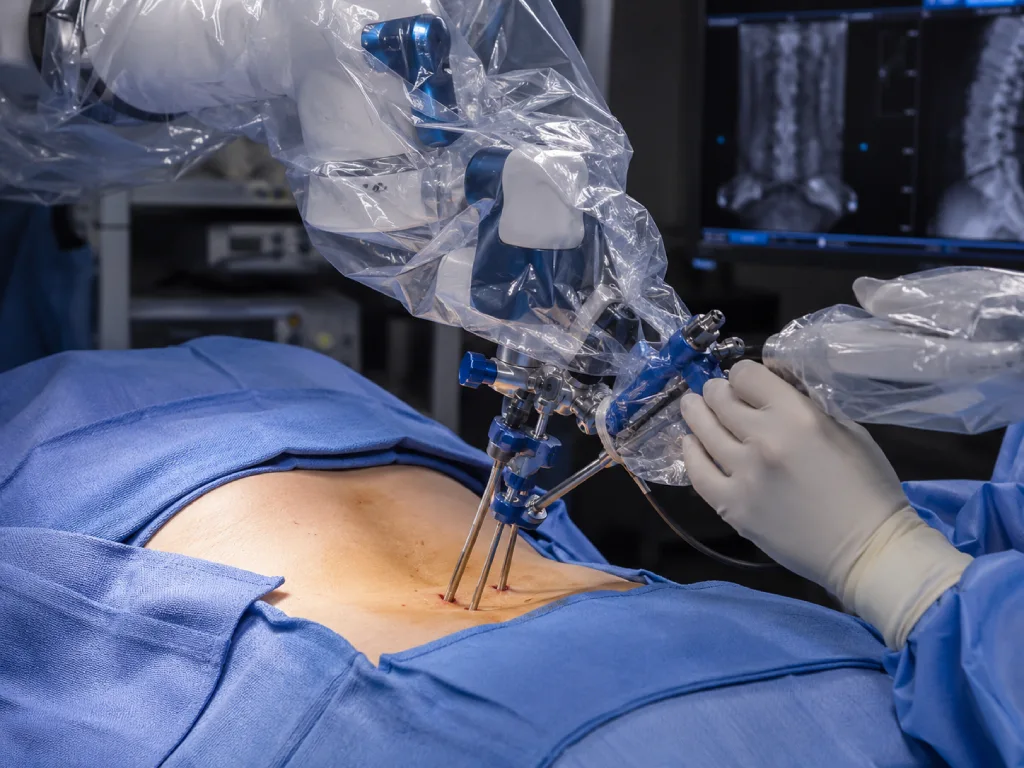
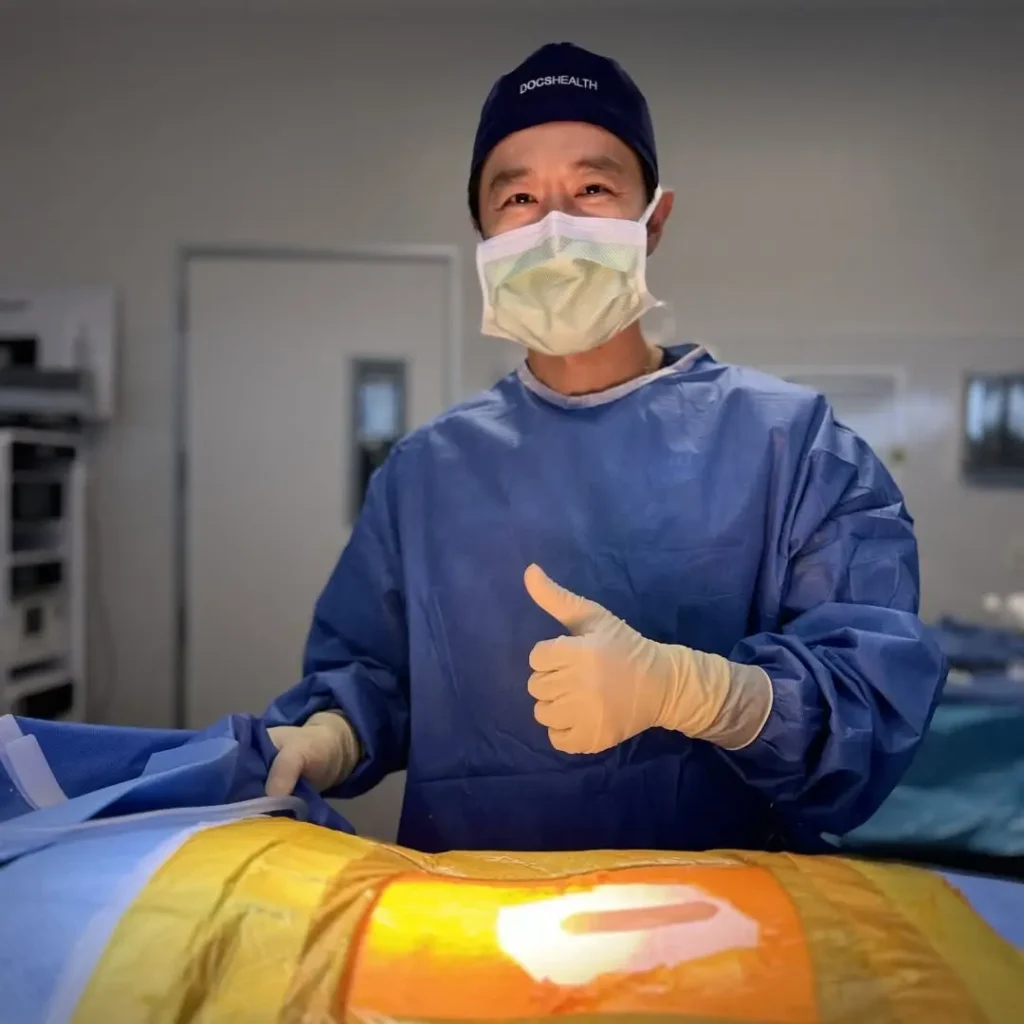
Dr. Albert Wong performs robotic spine surgery to improve precision and surgical planning while still keeping the procedure minimally invasive whenever possible. The robotic system assists the surgeon during surgery. It does not replace the surgeon or make decisions on its own.
For certain spinal conditions, this approach helps reduce tissue disruption and improve surgical accuracy during complex procedures.
- What It Is
What is Robotic Spine Surgery?
Robotic-assisted spine surgery is a type of spine procedure where computer-guided technology helps the surgeon operate with more precision. That part gets misunderstood a lot. The robot is not “doing the surgery.” It’s more of a guidance platform built around imaging and real-time positioning. The surgeon is still controlling the instruments, making adjustments, and performing the operation from start to finish.
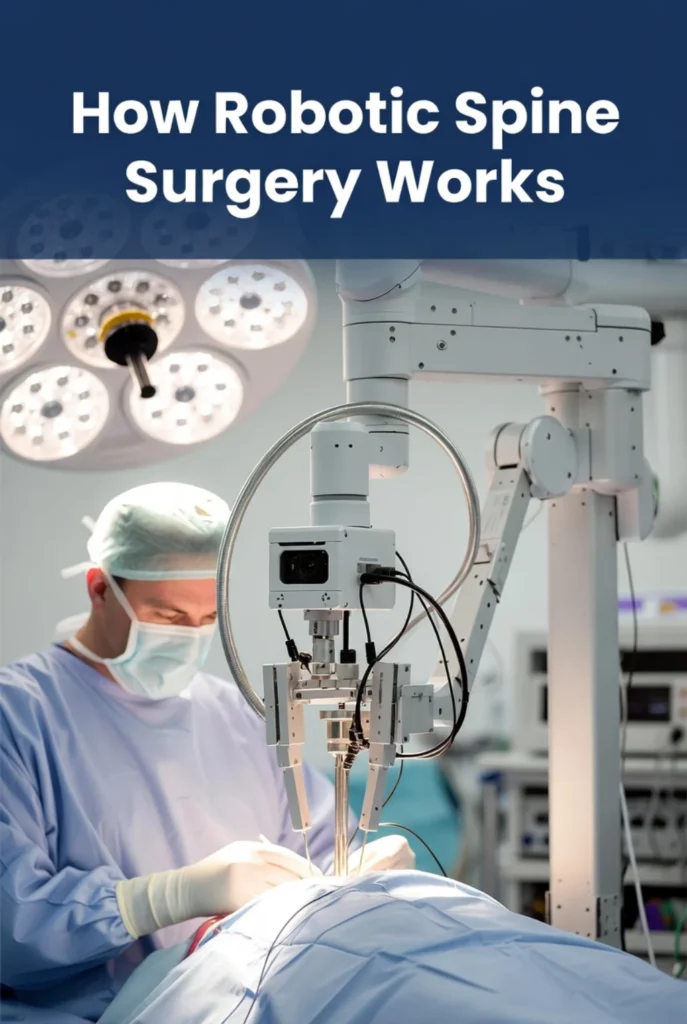
How Robotic Spine Surgery Works
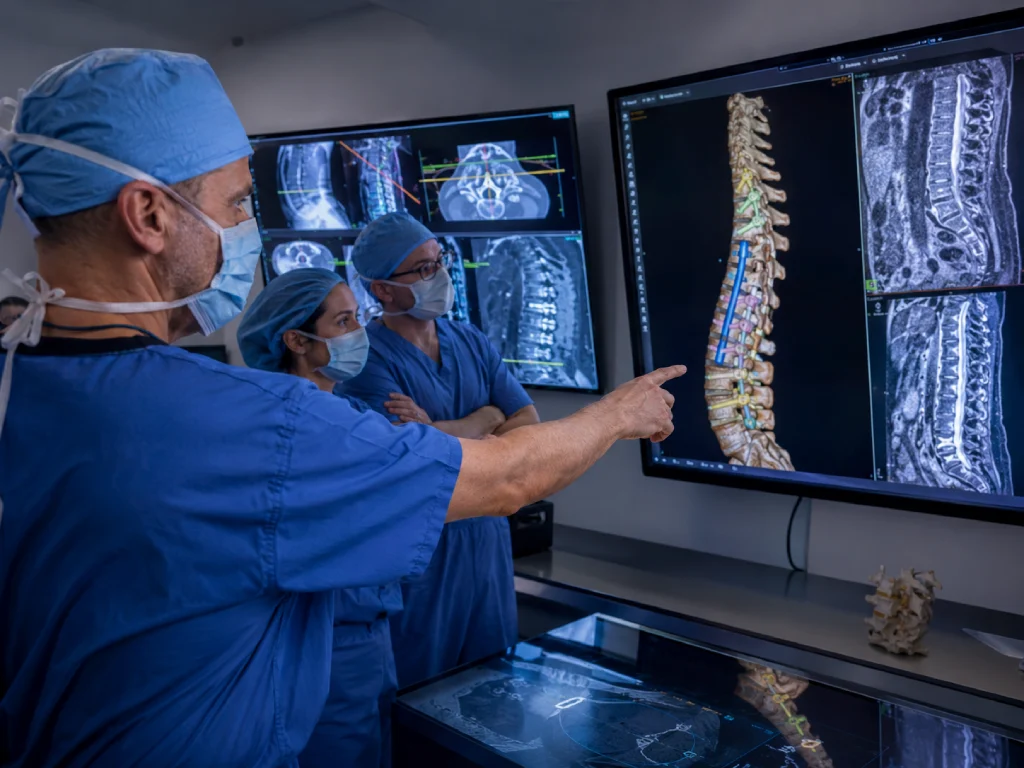
Most of the work starts before the patient enters the operating room. Scans are used to build a 3D model of the spine so the surgical plan can be mapped out ahead of time. Implant positioning, alignment, and surgical access points are all reviewed beforehand.
During surgery, the robotic guidance system helps the surgeon stay aligned with that plan while still allowing adjustments if something changes during the procedure. Patients researching spine robotic surgery are usually surprised by how hands-on the surgeon still is during the operation.
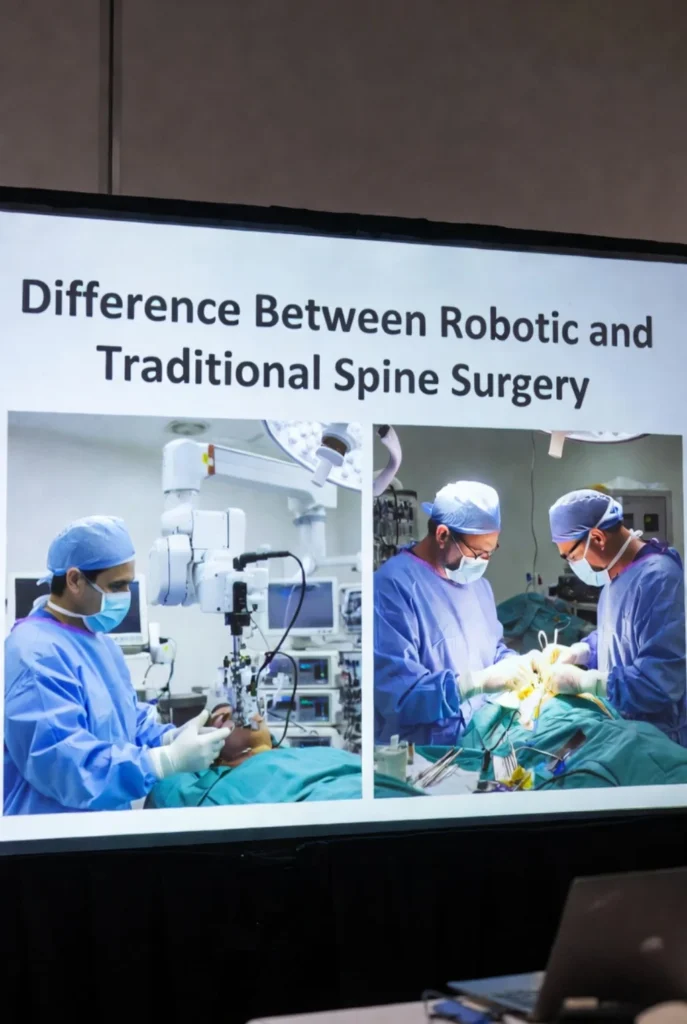
Difference Between Robotic and Traditional Spine Surgery
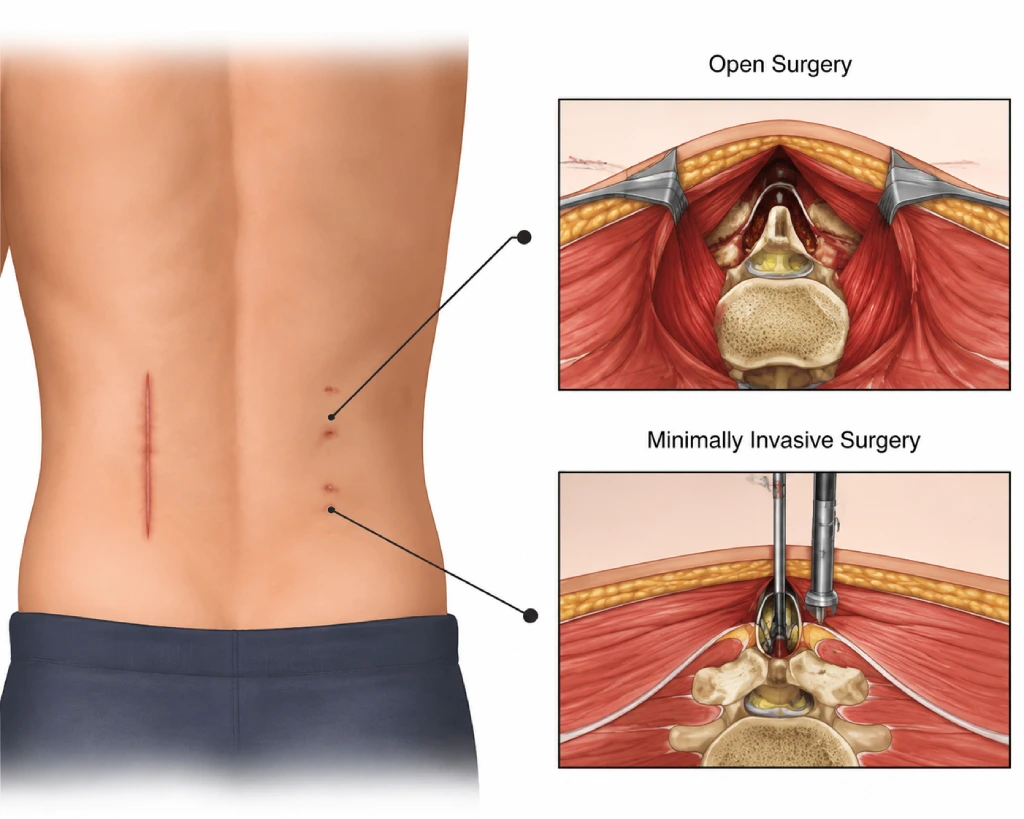
Traditional spine surgery relies more heavily on manual positioning and freehand instrument placement during the procedure. With robotic-guided surgery, the planning is more detailed upfront. The system helps improve alignment accuracy and positioning during surgery, especially in procedures involving implants or stabilization.
Another difference is exposure. Many robotic surgery for spine procedures are done using smaller incisions compared to older open approaches. That can sometimes mean less muscle disruption afterward.
Safety and Precision Benefits
One thing patients ask all the time is whether robotic spine surgery is actually safer or if it’s just newer technology being marketed differently.
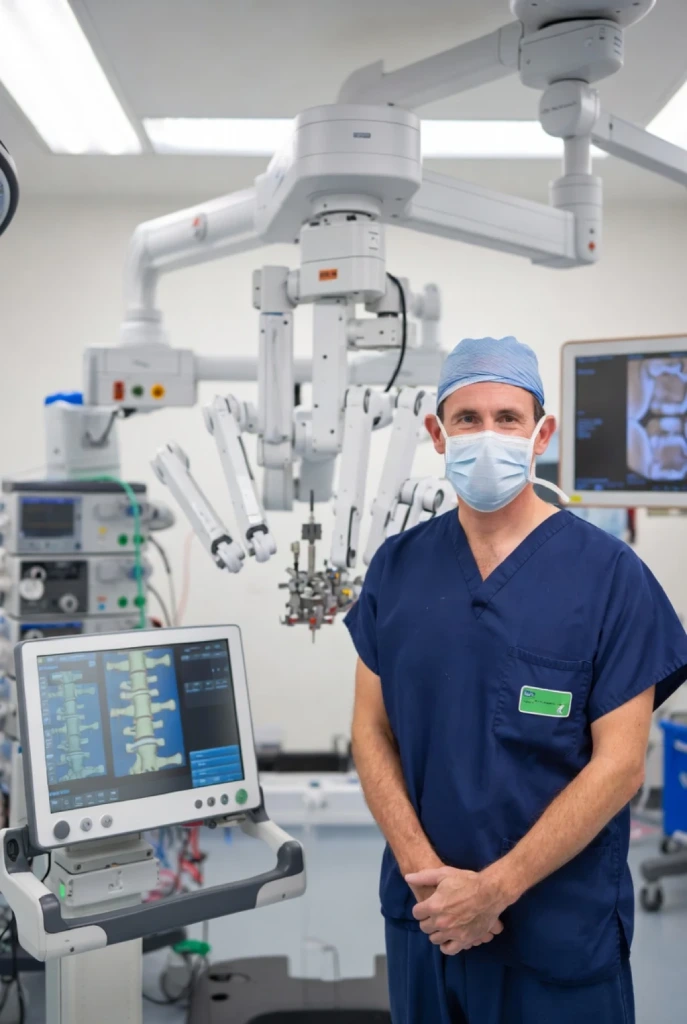
The benefit is mostly tied to planning and precision. Better imaging and guidance may help improve implant placement and reduce certain technical errors during surgery. That becomes especially important in complex cases or areas where there isn’t much room for error.
A lot of patients specifically search “is robotic spine surgery safe” because they assume the machine operates independently. It doesn’t. The surgeon remains in control the whole time.
- Conditions
Conditions Treated with Robotic Spine Surgery
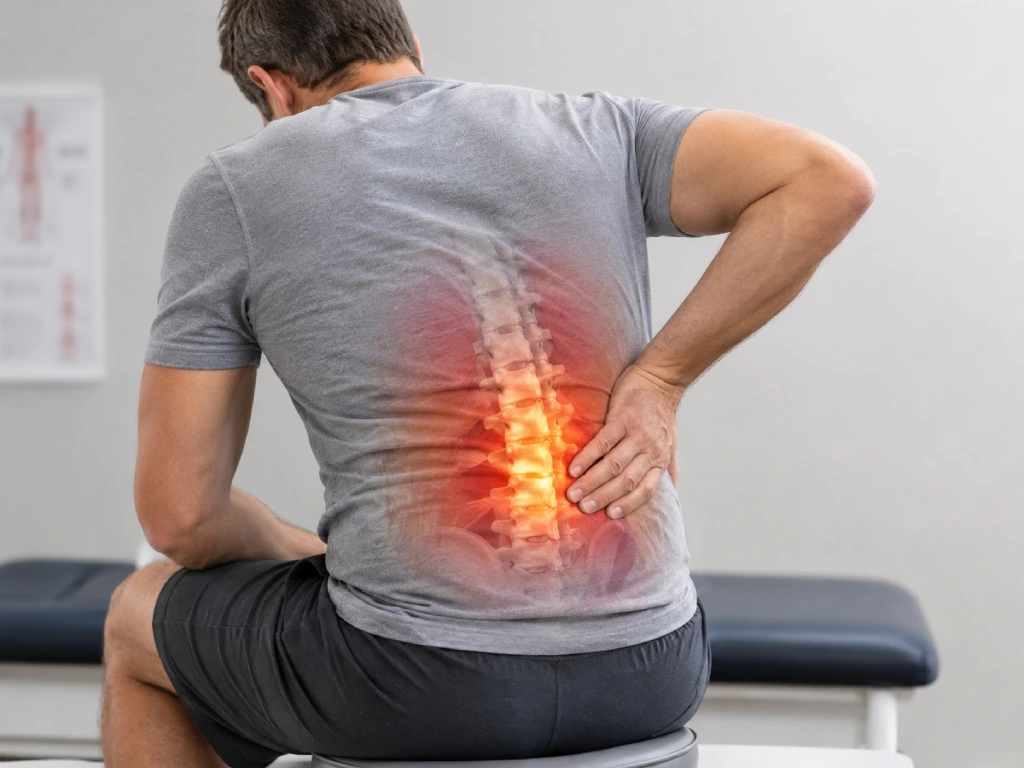
Not every spine problem needs surgery. And not every surgery needs robotics. But there are situations where robotic guidance can help improve precision during treatment, especially when the spine is unstable or nerves are being compressed. Eligibility usually comes down to imaging, symptoms, physical exam findings, and how severe the condition has become over time.
Herniated Disc
A herniated disc can press against nearby nerves and cause pain that travels into the arm or leg. Some patients describe it as burning. Others say it feels like electricity running down the limb. When symptoms keep getting worse or stop responding to conservative care, surgery may become part of the discussion. In certain cases, Robotic Spine Surgery allows surgeons to work more precisely around the affected nerve while limiting unnecessary tissue disruption nearby.
Spinal Stenosis
Spinal stenosis happens when the spinal canal narrows and starts crowding the nerves. People usually notice it slowly. Walking gets harder. Standing too long becomes irritating. Some patients lean forward over shopping carts because it temporarily relieves pressure. Robotic-guided decompression procedures may help improve surgical accuracy during treatment for spinal stenosis, especially when stabilization is also needed.
Degenerative Disc Disease
Discs naturally wear down with age, but sometimes degenerative disc disease becomes severe enough to create instability or ongoing pain.. For patients dealing with advanced degeneration, minimally invasive robotic spine surgery may help support stabilization procedures while avoiding some of the larger exposures used in traditional surgery.
- Benefits
Benefits of Robotic Spine Surgery
Patients usually care less about the technology itself and more about what recovery is going to look like afterward. That makes sense. Nobody wakes up excited to have spine surgery. Most people just want less pain, fewer complications, and a realistic path back to normal movement.
Smaller Incisions and Less Tissue Damage
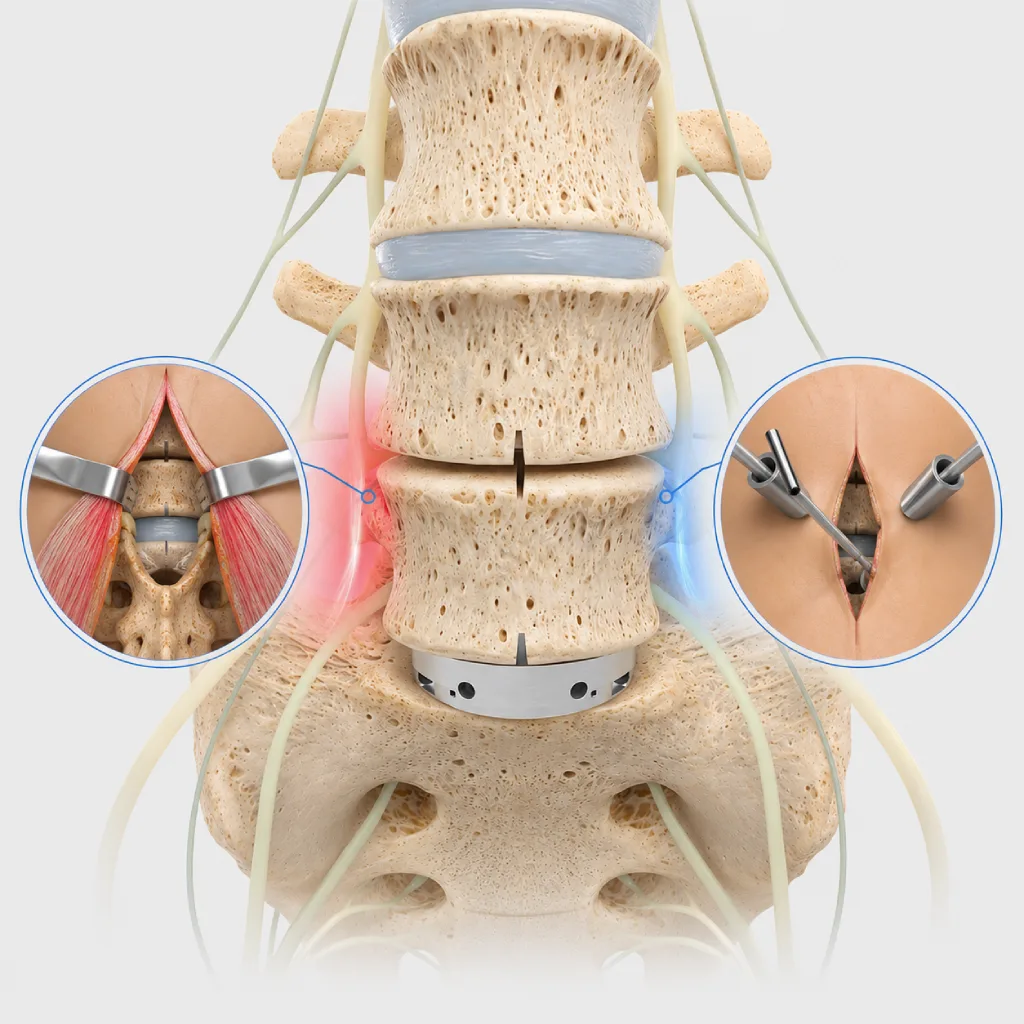
One advantage of robotic assisted spine surgery is that many procedures can be performed through smaller surgical openings.
That may help reduce muscle disruption during the operation. Less tissue trauma can sometimes lead to less soreness and easier mobility during the early recovery phase. Not every surgery can be done this way, but minimally invasive approaches have become more common over the years.
- Smaller surgical incisions
- Reduced muscle disruption
- Lower blood loss in some cases
- Less strain on the surrounding tissue
Faster Recovery Time
Recovery is still recovery. There’s no shortcut around healing. But patients undergoing minimally invasive robotic procedures are often walking sooner than patients recovering from larger open operations.
Hospital stays may be shorter depending on the surgery performed, and some people return to light daily activity faster because there’s less disruption to surrounding muscles.
- Earlier mobility after surgery
- Shorter hospital stays for some patients
- Faster return to light activity
- Reduced recovery strain on the body
Higher Surgical Accuracy
Precision matters more in spine surgery than most people realize.
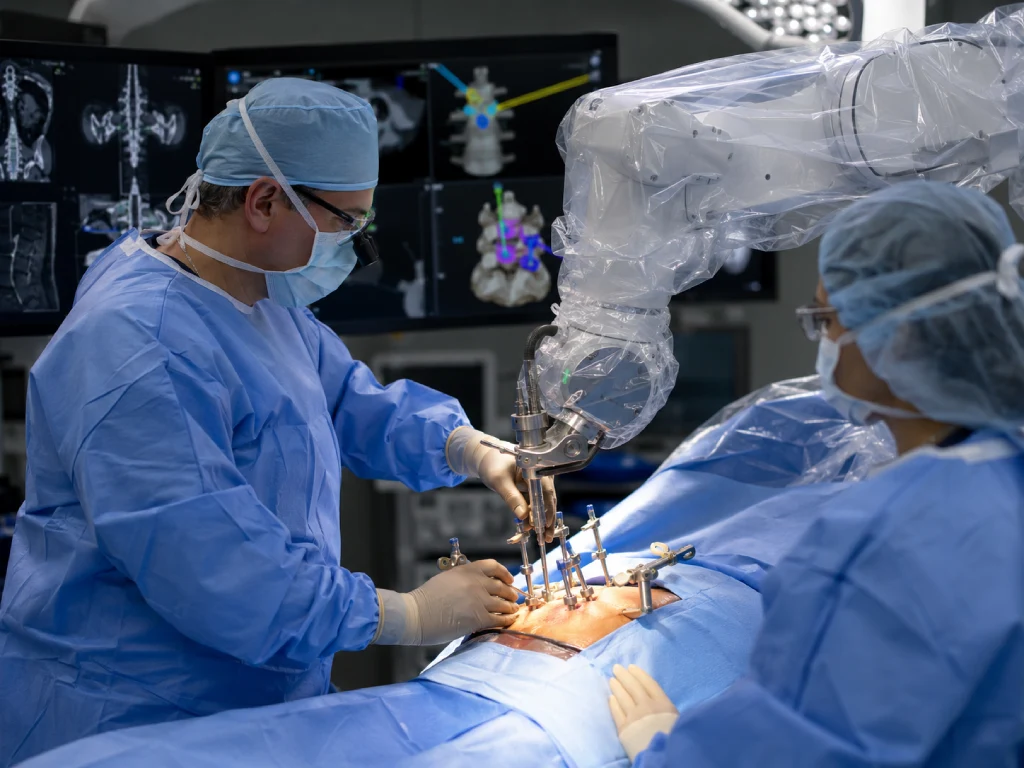
Working around nerves and spinal structures leaves very little room for error. Systems used in Mazor X robotic spine surgery help surgeons follow detailed pre-surgical planning during implant placement and alignment work. That added guidance can be useful in both simple and complex procedures.
- More precise implant positioning
- Improved alignment guidance
- Better surgical planning before the procedure
- Reduced margin for positioning errors
Reduced Risk of Complications
No surgery comes without risk. Any surgeon claiming otherwise should probably make you nervous.
That said, smaller incisions and more targeted surgical access may help reduce certain complications tied to larger open procedures. Better alignment and implant positioning may also lower the chances of revision surgery later on. In certain cases involving the neck, robotic cervical spine surgery may provide additional guidance in tighter anatomical spaces.
- Lower infection risk in some procedures
- Reduced tissue disruption
- Fewer revision surgeries related to alignment issues
- Added precision in complex spinal cases
- Who Needs
Who Is a Candidate for Robotic Spine Surgery?
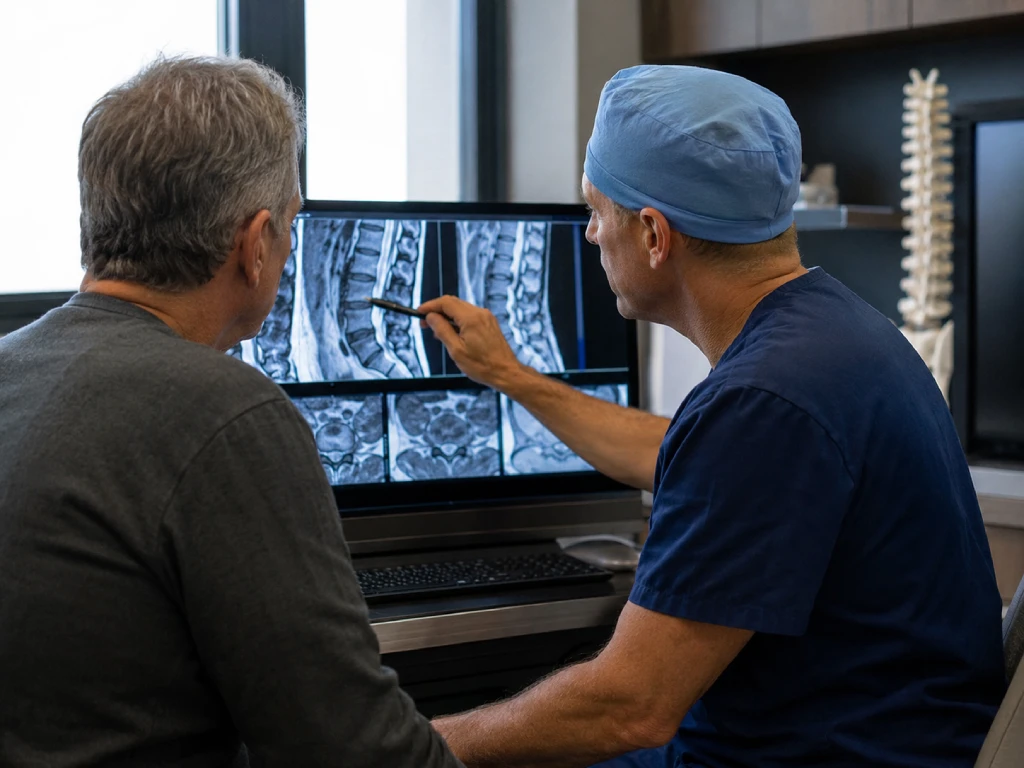
A lot of people assume surgery is automatically the next step once an MRI shows something abnormal. That’s usually not how it works.
Many spinal conditions improve without surgery. Others become surgical only after weakness, nerve compression, instability, or chronic pain keeps progressing despite treatment.
Whether someone qualifies for robotic-assisted spine surgery depends on imaging findings, symptoms, physical exam results, and how much the condition affects everyday function.
When Surgery May Be Needed
Surgery may be recommended when symptoms stop responding to conservative treatment or begin interfering with normal movement and daily life. That might include worsening numbness, weakness, chronic nerve pain, difficulty walking, and spinal instability. Sometimes patients wait too long because they keep hoping things will settle down on their own.
Patient Evaluation Process
The evaluation process usually includes MRI review, physical examination, symptom history, and discussion about previous treatment attempts. The goal is to figure out what is actually causing the symptoms before talking seriously about surgery options.
Not every abnormal scan needs surgery.
Non-Surgical Options Considered First
Most patients go through conservative treatment before surgery is even discussed. That may include physical therapy, injections, medication management, activity modification, and guided rehabilitation. Some improve enough to avoid surgery altogether.
- Procedure
Robotic Spine Surgery Procedure
The actual surgery is only one part of the process. Planning happens first. A lot of it. Imaging, alignment review, implant positioning, and risk assessment are all studied beforehand so the procedure is mapped out around the patient’s anatomy instead of relying entirely on decisions made during surgery.
Pre-Surgical Planning
Detailed scans are used to create a 3D surgical model before the operation. That model helps identify alignment goals, implant positioning, and areas where precision becomes especially important. The planning stage is one of the biggest differences between robotic-guided procedures and older freehand approaches.
3D imaging review
Detailed scans help map the spine before surgery begins.
Surgical pathway planning
Implant positioning and alignment are planned ahead of time.
Personalized surgical mapping
The surgical plan is built around the patient’s actual anatomy.
Risk evaluation
Surgeons identify sensitive areas and possible challenges before the procedure.
Surgical Procedure Steps
Most Robotic Spine Surgery procedures use smaller incisions than traditional open surgery. During the operation, the robotic system assists with guidance and positioning while the surgeon performs the procedure directly. Every surgical movement and decision still comes from the surgeon, not the machine.
Smaller incision approach
Minimally invasive access may reduce disruption to nearby muscle tissue.
Robot-guided positioning
The system helps improve alignment and instrument guidance during surgery.
Surgeon-controlled procedure
The surgeon remains fully in control throughout the entire operation.
Real-time surgical adjustments
Adjustments can still be made during the procedure when necessary.
Post-Surgery Recovery
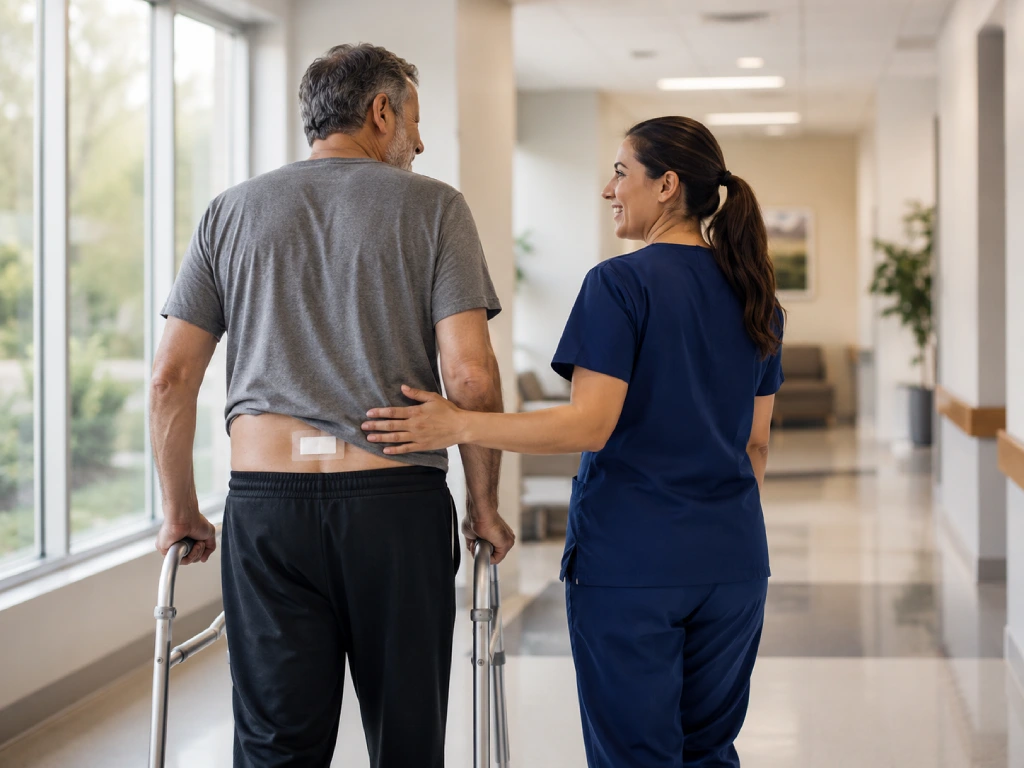
Patients are monitored after surgery, while pain management and mobility begin gradually. Recovery instructions depend on the condition being treated and the complexity of the procedure. Many patients undergoing minimally invasive robotic spine surgery begin walking earlier because surrounding tissue disruption is often reduced.
Post-operative monitoring
Patients are observed closely after surgery to track early recovery progress.
Pain management support
Medication and recovery guidance help manage discomfort after the procedure.
Early walking and mobility
Many patients are encouraged to begin light movement shortly after surgery.
Recovery instructions
Activity restrictions and healing guidelines are adjusted for each patient.
- Recovery
Recovery After Robotic Spine Surgery
The internet makes recovery sound cleaner than it usually is. Some people feel improvement quickly. Others recover more gradually. Spine surgery healing is rarely identical from one patient to another. Still, minimally invasive approaches may help reduce some of the physical stress associated with larger traditional procedures.
01
Recovery Timeline
The first few days usually focus on walking, incision healing, and keeping pain controlled. Over the next several weeks, mobility and strength typically improve little by little. Full recovery may continue for months.

02
Physical Therapy and Rehabilitation
Rehabilitation is a major part of recovery after spine surgery. Physical therapy may help improve flexibility, posture, strength, and movement patterns as healing progresses. Most recovery plans are adjusted over time based on how the patient is doing.
03
Return to Normal Activities
Most people return to activity gradually instead of all at once. Lifting restrictions, work timelines, and exercise progression vary depending on healing and the type of surgery performed. Trying to push too aggressively too early usually backfires with spine recovery.

- Why Choose us
Why Choose Dr. Wong for Robotic Spine Surgery?
Patients looking for a robotic spine surgery specialist are usually trying to find someone with real experience, not just access to newer equipment.
Technology matters. Surgical judgment matters more. Dr. Albert Wong is a dual fellowship-trained neurosurgeon specializing in minimally invasive and complex spine procedures in Los Angeles.
Experience in Complex Spine Cases
Dr. Wong treats conditions involving spinal instability, nerve compression, deformity, degeneration, and revision surgery. A large part of spine surgery is knowing when surgery actually makes sense and when it doesn’t.
- Dual fellowship training focused on complex and minimally invasive spine procedures.
- Treats deformity, instability, nerve compression, and revision surgery cases.
- Careful planning is used to improve accuracy during spine procedures.
Advanced Surgical Technology
Wong Spine uses modern imaging systems, minimally invasive tools, and robotic-guided surgical technology designed to improve planning and precision during surgery. That includes technology associated with Mazor robotic spine surgery platforms used in advanced spinal procedures.
- Advanced technology assists with alignment and implant positioning during surgery.
- Smaller incisions may help reduce tissue disruption and recovery strain.
- Detailed surgical planning helps improve procedural accuracy.
Patient-Centered Care Approach
Every spine case looks a little different. Some patients want to avoid surgery at all costs. Others are already at the point where daily life is becoming difficult because of pain or weakness. Treatment recommendations are built around the patient’s condition, symptoms, imaging, and long-term goals rather than using the same approach for everybody.
- Recommendations are based on symptoms, imaging, and patient goals.
- Patients have time to ask questions and understand their treatment options.
- Care plans are designed around both surgical outcomes and recovery progress.
- Area We Serve
Serving Patients Across Los Angeles and Surrounding Areas
Patients travel to Wong Spine from across Los Angeles and nearby communities for advanced spine care, minimally invasive procedures, and robotic-assisted spine surgery. Dr. Wong treats a wide range of spinal conditions using modern surgical techniques focused on precision, recovery, and long-term function.
- Patient Testimonial
What our patients says
EXCELLENTTrustindex verifies that the original source of the review is Google. When I went to see Dr. Wong, my spinal cord was 85% compressed at the T12 level and I had multiple issues in my lumbar spine, my back from T11 to S1 was failing me. I needed the assistance of a walker to walk and balance. I had a previous surgery with another surgeon and it was deemed as failed, my situation was not good. Dr. Wong literally rebuilt my spine from T11 to S1, if it weren’t for Dr. Wong and his incredible team, I would probably be in a wheelchair right now. Dr. Wong is a gifted surgeon who sincerely cares about his patients and the work he does. I am forever grateful and consider myself very fortunate and blessed to be his patient. Thank you Dr. Wong and team for giving me hope again.Posted on GoogleTrustindex verifies that the original source of the review is Google. Dr. Albert Wong is one of the BEST neurospine doctors in California! He really cares about patient care, he takes his time to listen and explain everything clearly. He builds trust with his patients. He has help so many patients get their life back, just one of the best doctors. Dr. Wong will make the time for his patients. Definitely recommend him!Posted on GoogleTrustindex verifies that the original source of the review is Google. Dr Wong is an amazing doctor! Dr Wong’s expertise and bedside manners are top notched. He is a tremendous surgeon as well. I would highly recommend Dr Wong as your ortho.Posted on GoogleTrustindex verifies that the original source of the review is Google. Dr. Albert Wong quite literally saved my life. I suffered from a quarter sized brain bleed and was rushed into emergency surgery. He not only allowed me to keep my hair and only shaved right where the surgery was performed, but he did such an amazing job. The area where I had surgery was numb for the first couple of months and I'm happy to report I have all feeling back in the designated area. Truly could not recommend him enough. He's also one of the kindest people I've ever had the pleasure of knowing. Would recommend him TENFOLD to anyone needing surgery.Posted on GoogleTrustindex verifies that the original source of the review is Google. I had back surgery, it was a successful procedure. Great bedside manner, great follow-up.Posted on GoogleTrustindex verifies that the original source of the review is Google. I’ve had surgery With Dr. Wong twice Once on the cervical and other was my spine. I had nothing but a great experience with him and his staff considering it was major surgery I’ve never felt better and I’m back to doing all the things I love but was unable to do before. Thank you Dr Wong 🙏🏻Posted on GoogleTrustindex verifies that the original source of the review is Google. Dr Wong is an exceptional, talented surgeon who cares deeply for his patients. Highly recommend!Posted on GoogleTrustindex verifies that the original source of the review is Google. Dr. Wong is an exceptional physician… thorough, knowledgeable, and compassionate. He listens and explains everything clearly. His attention to detail is unmatched. I trust him completely as he has greatly improved my life.Posted on GoogleTrustindex verifies that the original source of the review is Google. Dr Wong is an amazing Surgeon who was very thorough and explained in detail what my condition was and what to expect from surgeryPosted on GoogleTrustindex verifies that the original source of the review is Google. Dr. Wong has been helping me with sciatica issues for a long time. He’s very thoughtful with his care and I appreciate his thoroughness. My pain is much more manageable and he’s a big reason. Thank you Dr. Wong!
- Faqs
FAQs About Robotic Spine Surgery
Patients considering spine surgery usually have a lot of questions before making any decisions. Below are some of the most common questions people ask about robotic-assisted spine surgery, recovery, safety, and treatment options in Los Angeles.
Robot spine surgery is a type of spine procedure where surgeons use computer-guided robotic technology to improve precision during surgery. The robotic system does not perform the operation on its own. It assists the surgeon with planning, alignment, and instrument guidance throughout the procedure. This approach is often used in minimally invasive spine surgery to improve accuracy and reduce unnecessary tissue disruption.
Like any surgical procedure, spine surgery still carries risks, but robotic-guided systems are designed to improve surgical precision and planning. Many surgeons use robotic assistance to help improve implant positioning, alignment accuracy, and consistency during complex procedures. The surgeon remains fully in control during the operation at all times.
Yes, cervical spine surgery can be performed robotically. While robotic-guided procedures are more commonly used in the lumbar spine, advanced spine centers now use robotic assistance during certain cervical procedures to improve precision and support minimally invasive techniques. This may help with accurate screw placement, spinal alignment, and stabilization during complex neck surgeries.
Recovery depends on the condition being treated and the type of surgery performed. Some patients begin walking the same day or shortly after surgery, while full recovery may take several weeks or months. Minimally invasive robotic procedures may allow for faster mobility and less post-operative discomfort compared to larger traditional open surgeries.
Robotic spine surgery is still considered a specialized area within spine surgery. While more surgeons are adopting robotic-guided systems, not every spine surgeon performs robotic procedures regularly. Experience, advanced training, and access to robotic surgical technology all play a role in whether a surgeon offers this type of treatment.
Patients looking for robotic spine surgery in Los Angeles can schedule a consultation with Wong Spine. Dr. Albert Wong specializes in minimally invasive and robotic-guided spine procedures for conditions involving nerve compression, spinal instability, degenerative disc disease, scoliosis, and other complex spinal disorders.