



Most people don’t hear about spinal fusion until nothing else has worked.
Pain keeps coming back, nerves stay irritated, and movement feels unstable. At that point, the conversation shifts from short term relief to something more permanent. That’s where spinal fusion comes in.
It sounds intense, and to be fair, it is a major procedure. But it’s also one of the more established ways to deal with certain spine problems when other options fall short.
To put it in perspective, the spinal issue itself is widespread. The World Health Organization estimates that there will be around 843 million cases of lower back pain across the world by 2050. All of those originate from spinal issues. So, having spinal problems resulting in issues like LBP (Lower Back Pain) is pretty common.
Only a small portion of those cases ever reach the point of surgery. Fusion is usually further down the line.
What Is Spinal Fusion Surgery?
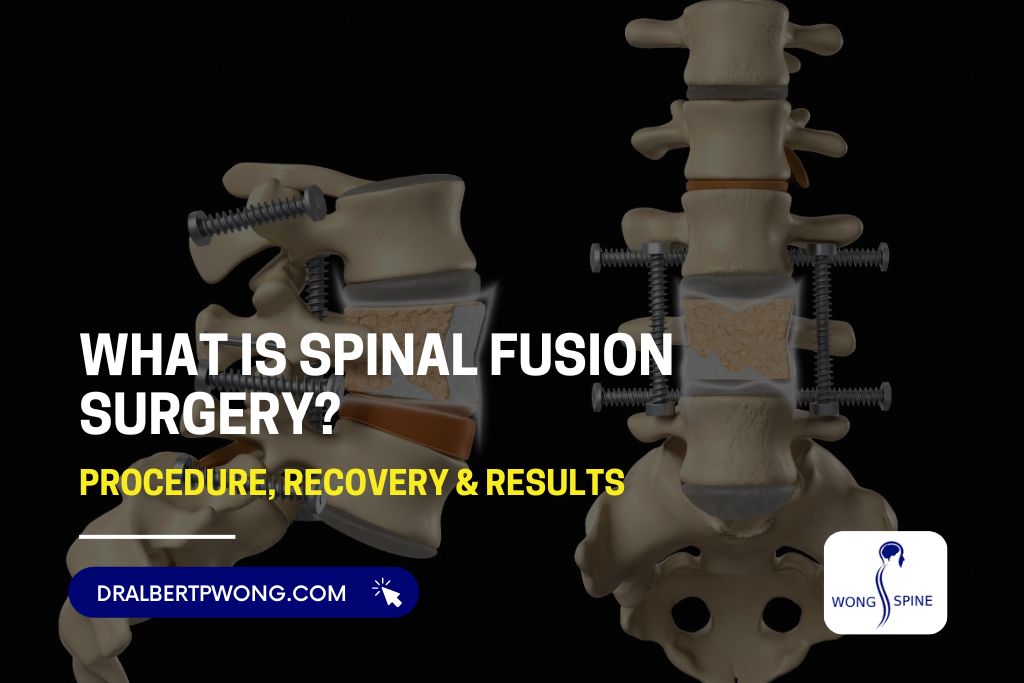
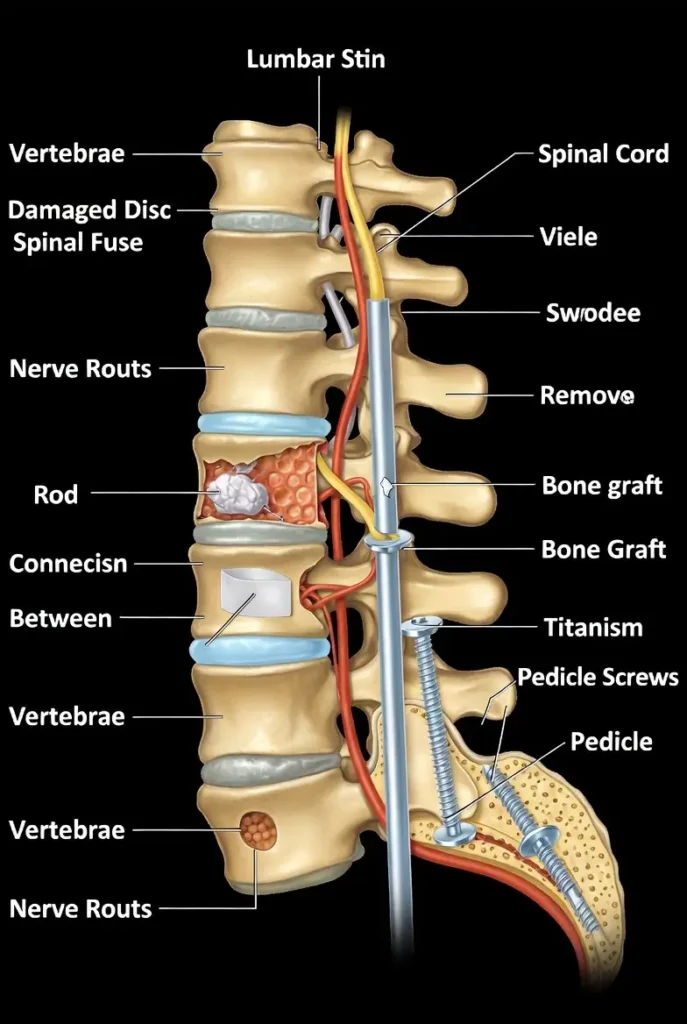
At its core, spinal fusion surgery ensures one thing. It permanently joins two or more vertebrae, so they move as a single unit instead of separately.
Normally, the bones in your spine move slightly against each other. That movement is what allows bending and flexibility. But when that movement becomes painful or unstable, fusion removes it.
Surgeons use bone grafts and sometimes hardware like screws or rods to hold the bones together while they heal into one solid piece.
So when people ask “What is spinal fusion surgery?”, the simplest answer is this. It’s about stopping motion at a painful segment to reduce pain and improve stability. This is as simple as it gets.
When Is Spinal Fusion Usually Recommended?
It’s not a first option. Doctors usually consider it when other treatments haven’t worked, and there’s a clear structural issue.
Common situations include:
- Severe disc degeneration causing instability
- Spinal fractures or deformities
- Persistent nerve compression that doesn’t improve
- Conditions like spondylolisthesis
So while a lot of people deal with back pain, only some reach the point where lumbar spinal fusion surgery or cervical spinal fusion surgery becomes necessary.
Types Of Spinal Fusion Surgery
Not all fusions are done the same way.
The approach depends on where the problem is and how surgeons need to reach it. Some common types of spinal fusion surgery include:
- Lumbar fusion, done in the lower back
- Cervical fusion, done in the neck
- Anterior approach, where surgery is done from the front
- Posterior approach, from the back
There are also variations in how the bone graft is placed and what kind of hardware is used.
How Long Does Spinal Fusion Surgery Take?
This comes up a lot: How long does spinal fusion surgery take?
In most cases, it runs anywhere from 2 to 4 hours. Some procedures take longer depending on complexity. So if you’re asking, “How long is spinal fusion surgery?”, there isn’t one fixed number, but it’s not a quick procedure.
What To Expect After Spinal Fusion Surgery
This is where most of the real questions sit.
Right after surgery, movement is limited. Not completely restricted, but controlled. Pain is expected early on. Not the same pain as before, but more from the surgical area. When people look into what to expect after spinal fusion surgery, it usually includes:
- Soreness and stiffness in the operated area
- Gradual return to walking and basic movement
- Restrictions on bending, lifting, and twisting
- Slow improvement over weeks and months
And yes, pain after spinal fusion surgery is normal at the start, but it usually shifts as healing progresses.
Spinal Fusion Surgery Recovery (Real Timeline)
Recovery is where expectations need to be realistic. Spinal fusion surgery recovery isn’t quick.
The National Library of Medicine found that the recovery time depends on individuals, activity, medication, and the complexity of the patient. Overall, it can take 2 weeks to 6 or even 12 months for full recovery.
Here’s a rough idea of what people experience:
| Time After Surgery | What it feels like |
| First few weeks | Pain and stiffness, limited movement |
| 1 to 3 months | Gradual return to daily activities |
| 3 to 6 months | Noticable improvement in strength and mobility |
| 6 to 12 months | Bone fusion continues with more stable movement |
Full healing, where the bones completely fuse, can take close to a year.
Lumbar Vs Cervical Spinal Fusion Recovery
The location changes how recovery feels day to day.
- Lumbar spinal fusion surgery: More impact on sitting, bending, and lifting.
- Cervical spinal fusion surgery: More noticeable in neck movement, posture, and sometimes shoulder or arm comfort.
The timeline is similar, but the daily limitations feel different.
Spinal Fusion Surgery Success Rate
People want numbers here.
Spinal fusion surgery success rate varies depending on the condition being treated, but many studies report improvement in pain and function for a majority of patients.
The National Library of Medicine has published research showing positive outcomes in many cases of lumbar fusion when done for the right indications. That said, success doesn’t always mean zero pain. It usually means reduced pain and better stability.
Things People Wish They Knew Before Spinal Fusion Surgery
This part doesn’t always get explained clearly. Things I wish I knew before spinal fusion surgery often sound like this:
- Recovery takes longer than expected
- Progress isn’t linear
- Movement restrictions matter more than you think
- Strength takes time to come back
It’s not about scaring people. It’s about setting the right expectations.
Possible Side Effects And Concerns
No surgery comes without risk. Some people experience:
- Ongoing stiffness
- Limited flexibility in the fused area
- Occasional leg weakness after spinal fusion surgery if nerves were involved
Most improve over time, but it’s part of the overall picture.
When Can You Travel After Spinal Fusion Surgery?
This one comes up more than you’d think.
When can I travel after spinal fusion surgery?
Short trips may be possible within a few weeks, depending on how you’re healing. Long travel, especially sitting for extended periods, usually takes longer. Doctors often suggest waiting until you’re comfortable sitting and moving without strain.
Final Thought
Spinal fusion surgery isn’t about making the spine “better” in a perfect sense.
It’s about stopping movement in a problem area so pain and instability don’t keep coming back. It’s a trade-off. Less movement in one spot, more stability overall.
For the right person, that trade-off makes sense. But it’s not a quick fix, and it’s not for every case.
FAQs
What is spinal fusion surgery?
It’s a procedure where two or more vertebrae are permanently joined, so they heal into one solid piece, reducing movement and stabilizing the spine.
How long does spinal fusion surgery take?
Most procedures take between 2 and 4 hours, depending on the complexity and location.
What is the recovery time for spinal fusion surgery?
Recovery takes several months. Basic movement improves within weeks, but full healing can take up to a year.
What is the success rate of spinal fusion surgery?
Many patients see reduced pain and improved stability, though results vary depending on the condition being treated.
When can I travel after spinal fusion surgery?
Short trips may be possible within a few weeks, but longer travel usually requires waiting until sitting and movement feel comfortable again.