


A neurosurgeon is a doctor who treats problems in the brain, spinal cord, and nerves. Many people think of brain surgery when they hear “neurosurgeon.” Neurosurgeons do much more. They diagnose and treat conditions affecting the nervous system.
Early evaluation can prevent serious problems. Pain, injuries, and diseases can be treated before becoming emergencies. Some conditions need surgery. Others improve with medicine, therapy, or lifestyle changes.
Here are 8 reasons to see a neurosurgeon. Knowing the signs helps you get care quickly. Early treatment improves outcomes.
1. Persistent Headaches
Headaches are common. Most are not serious. But some headaches can signal a problem in the brain or nervous system.
You should see a neurosurgeon if your headaches are:
- Severe and sudden
- Different from your usual headaches
- Getting worse over time
- Accompanied by vision changes, nausea, or weakness
A neurosurgeon can check for conditions like brain tumors, blood vessel problems, or pressure in the skull. Early evaluation can prevent serious complications.
2. Spine or Neck Pain
Back and neck pain are common. Most pain improves with rest or therapy. But sometimes, it can signal a serious problem in the spine or nerves.
See a neurosurgeon if your pain:
- Lasts more than a few weeks
- Gets worse over time
- Radiates to your arms or legs
- Causes numbness, tingling, or weakness
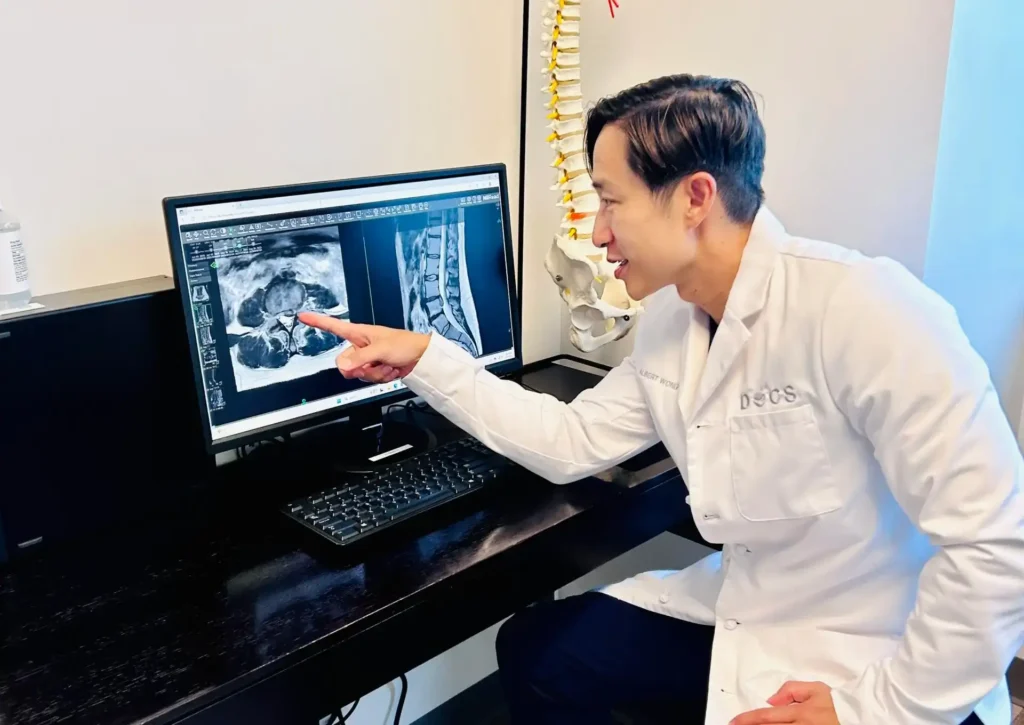
A neurosurgeon can evaluate for herniated discs, spinal stenosis, or nerve compression. Early care can prevent permanent nerve damage and improve quality of life.
3. Numbness or Weakness
Numbness or weakness in your arms, legs, or face is a warning sign. It may be caused by nerve damage, spinal problems, or a brain condition.
See a neurosurgeon if you notice:
- Sudden weakness on one side of your body
- Tingling or loss of feeling that doesn’t go away
- Difficulty walking or keeping your balance
- Loss of hand or foot coordination
Early evaluation can prevent permanent nerve injury. A neurosurgeon can find the cause and create a treatment plan. This may include surgery, therapy, or medication.
4. Head or Spine Injury
Any injury to your head or spine can be serious. Even a mild injury may cause problems later.
See a neurosurgeon if you experience:
- Loss of consciousness
- Severe headache after an injury
- Neck or back pain that doesn’t improve
- Numbness, weakness, or difficulty moving
A neurosurgeon can check for bleeding, fractures, or nerve damage. Prompt care can prevent long-term complications and help you recover safely.
5. Trouble with Balance or Coordination
Problems with balance or coordination can signal an issue in your brain, spine, or nerves.
See a neurosurgeon if you notice:
- Frequent falls or stumbling
- Difficulty walking in a straight line
- Clumsiness or trouble using your hands
- Feeling dizzy or off-balance often
A neurosurgeon can identify conditions like tumors, nerve disorders, or spinal problems. Early evaluation helps prevent injuries and improves daily functioning.
6. Seizures
Seizures are sudden changes in movement, behavior, or awareness caused by abnormal brain activity.
See a neurosurgeon if you have:
- A first-time seizure
- Recurrent seizures
- Seizures that are getting worse
- Seizures that do not respond to medication
A neurosurgeon can help find the cause, such as brain tumors, scar tissue, or nerve problems. Early care can reduce risks and help manage seizures safely.
7. Trouble with Vision or Speech
Changes in vision or speech can be a sign of a problem in the brain or nerves.
See a neurosurgeon if you notice:
- Sudden blurred or double vision
- Loss of part of your vision
- Slurred speech or difficulty finding words
- Weakness on one side of your face
A neurosurgeon can evaluate for conditions like brain tumors, strokes, or nerve compression. Early treatment can prevent permanent damage and improve recovery.
8. Persistent Pain or Numbness After Surgery or Illness
Sometimes pain or numbness continues even after surgery or a medical condition. This may indicate nerve or spinal problems that need attention.
See a neurosurgeon if you have:
- Ongoing pain that does not improve with treatment
- Numbness or weakness after surgery
- Loss of function in your arms, legs, or hands
- Symptoms that interfere with daily life
A neurosurgeon can evaluate the cause and create a treatment plan. Early care can prevent further complications and improve quality of life.
When to Seek Help
Early care matters. Many brain, spine, and nerve conditions respond better with fast treatment.
Do not ignore warning signs. Ongoing pain, numbness, headaches, or vision changes need medical review. Delays can lead to serious problems.
Neurosurgeons use advanced testing to find the cause. Treatment may include surgery, therapy, or medication. Care focuses on safety and long-term health.
Your nervous system controls vital functions. Prompt action helps protect movement, thinking, and quality of life.
Not sure how to prepare for your first neurosurgical appointment or what the experience will be like? Discover thorough guidance and what to expect before your visit.
Treatment at Wong Spine
Wong Spine offers care from a skilled neurosurgeon in Beverly Hills, Los Angeles. Dr. Albert Wong uses advanced tests and precise treatment. Options include nonsurgical therapy, pain management, or surgery. Care aims to reduce pain, improve movement, and speed recovery.