- Home
- Neck Pain
Neck Pain Los Angeles
- About Dr. Albert P.
Los Angeles Neck Pain Specialist
Dr. Albert P. Wong, one of the leading neurosurgeons in Beverly Hills, specializes in treating patients with acute and chronic neck pain. He provides precise diagnosis and treatment for cervical spine conditions, including cervical herniated discs, pinched nerves, cervical stenosis, and degenerative disc disease.
Using MRI, X-ray, and neurological evaluation, he identifies the source of neck pain and develops personalized treatment plans. Options include physical therapy, injections, and minimally invasive procedures for patients in Beverly Hills and the Greater Los Angeles area.
- What It Is
What Is Neck Pain (Cervicalgia)?
Neck pain, or cervicalgia, refers to pain from the cervical spine, including cervical discs, facet joints, nerves, ligaments, and muscles.
Common cervical spine causes include:
Cervical herniated disc
Cervical muscle strain
Cervical nerve compression
Cervical stenosis
Cervical degenerative disc disease
Cervicalgia can involve neck pain, limited motion, stiffness, or arm pain when a cervical nerve is affected. Diagnosis focuses on identifying disc injury, nerve compression, joint inflammation, or muscular strain.
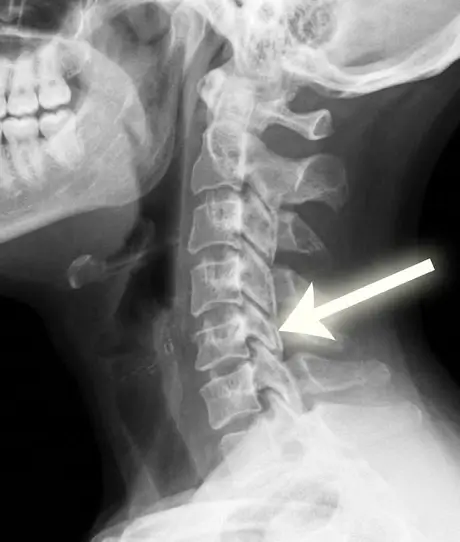
Neck Pain Treatment in Los Angeles, CA
Dr. Albert P. Wong treats cervical spine conditions, including cervical herniated discs, nerve compression, and degenerative disc disease, using minimally invasive techniques, physical therapy, and targeted interventions to relieve neck pain and restore function.
What Does Neck Pain Feel Like?
Neck pain from the cervical spine varies with underlying conditions. Common sensations include:
-
Sharp or stabbing pain in the cervical muscles or cervical ligaments
-
Dull, aching pain in the cervical joints, cervical discs, or upper back
-
Pain radiating to the shoulder, arm, or hand due to cervical nerve compression
-
Tingling, numbness, or “pins and needles” in the arm, hand, or fingers
-
Stiffness, limited motion, or reduced flexibility in the cervical spine
Pain may worsen with cervical disc herniation, cervical stenosis, facet joint inflammation, or degenerative disc disease. Patients may experience muscle weakness, loss of sensation, or functional limitations in daily activities.
What Are the Possible Causes of Neck Pain?
Neck pain often originates from the cervical spine structures, including cervical discs, facet joints, spinal nerves, ligaments, and muscles. Common causes include:
-
Cervical herniated disc – disc material pressing on a cervical nerve.
-
Cervical degenerative disc disease – age-related disc wear and tear.
-
Cervical stenosis – narrowing of the spinal canal compressing the spinal cord or nerves.
-
Cervical muscle strain – overuse or poor posture affecting neck muscles.
-
Facet joint arthritis – inflammation or degeneration of cervical facet joints.
-
Trauma or injury – whiplash or direct impact to the cervical spine.
These conditions can produce neck pain, stiffness, pain radiating to the shoulder, arm, or hand, tingling, or loss of sensation in the upper extremities.
How Neck Pain Is Treated
Treatment for neck pain depends on the underlying cervical spine condition, such as cervical herniated discs, cervical stenosis, or degenerative disc disease. Approaches include:
-
Physical therapy – stretching, strengthening, and posture correction for cervical muscles and upper back.
-
Medications and injections – anti-inflammatory drugs or epidural steroid injections to reduce cervical nerve inflammation.
-
Minimally invasive procedures – microdiscectomy or cervical decompression to relieve nerve compression.
-
Surgical interventions – spinal fusion or artificial disc replacement for severe cervical disc damage.
Treatment focuses on relieving neck pain, restoring cervical spine mobility, reducing nerve-related symptoms, and preventing recurrence.
When to Call a Doctor for Neck Pain
Seek medical attention from a cervical spine specialist if neck pain is accompanied by:
-
Pain radiating to the shoulder, arm, or hand.
-
Tingling, numbness, or weakness in the upper extremities.
-
Loss of sensation or coordination.
-
Severe or sudden pain after trauma or injury.
-
Persistent pain lasting more than a few weeks despite rest or home care.
-
Limited cervical spine mobility affecting daily activities.
Early evaluation helps identify conditions like cervical herniated discs, cervical stenosis, or nerve compression and allows timely treatment to prevent complications.
- Get Appointment
Schedule Neck Pain Treatment with Dr. Albert Wong
See Dr. Albert P. Wong, a trusted cervical spine specialist in Los Angeles, for diagnosis and treatment of cervical herniated discs and nerve compression. Schedule your appointment to relieve neck pain and restore spinal function.
- Faqs
Neck Pain FAQs
Answers to common questions about neck pain, cervical spine conditions, and treatment options.
Poor posture can strain cervical muscles and ligaments, increase pressure on cervical discs, and accelerate degenerative changes, leading to chronic neck pain.
Yes, sleeping without proper cervical spine support or using pillows that misalign the neck can aggravate muscle strain or disc pressure.
No, neck pain may develop gradually from degenerative disc disease, cervical stenosis, or repetitive strain without a specific traumatic event.
Yes, cervical nerve compression can cause tingling, numbness, or weakness in the arm, hand, or fingers depending on which spinal nerve is affected.
Yes, severe cervical spine conditions such as spinal cord compression from cervical stenosis or herniated discs can impact nerve signals, causing balance issues or reduced coordination in the arms and legs.