- Home
- Back Pain
Back Pain Los Angeles
- About Dr. Albert P.
Los Angeles Back Pain Specialist
- What It Is
What Is Back Pain?
Back pain refers to discomfort originating from the lumbar spine, thoracic spine, spinal discs, facet joints, muscles, ligaments, or nerve roots. Pain can develop from structural changes, inflammation, or compression within the spinal column.
Lumbar pain from disc herniation, degenerative disc disease, or facet joint dysfunction.
Thoracic pain linked to postural strain or muscle imbalance.
Radiating pain from nerve compression.
Stiffness or reduced spinal mobility.
Localized muscle spasms in the lumbar or thoracic region.
Back pain may remain localized or travel along the affected nerve pathway, depending on the underlying spinal condition. Early evaluation helps identify the source and guides effective treatment.
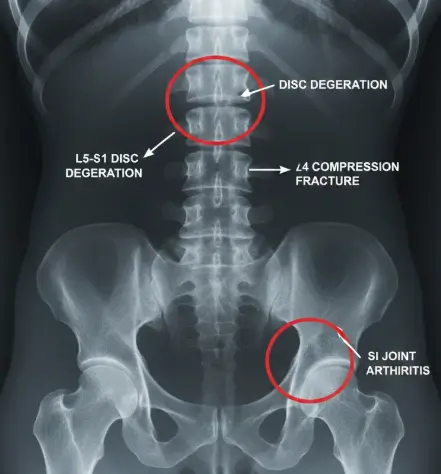
Back Pain Treatment Los Angeles, CA
Specialized evaluation and treatment for lumbar pain, thoracic pain, herniated discs, spinal stenosis, facet joint disorders, and nerve compression using imaging, targeted therapy, injections, and minimally invasive spine procedures.
What Are the Most Common Causes of Back Pain?
Back pain often originates from the spinal column, including the lumbar spine, thoracic spine, intervertebral discs, facet joints, ligaments, muscles, and spinal nerves. Common causes include:
Herniated or bulging discs compressing nerve roots, causing radiating pain to the leg, buttock, or foot.
Degenerative disc disease leading to disc wear, facet joint stress, and spinal instability.
Spinal stenosis narrowing the spinal canal, putting pressure on the spinal cord or nerve roots.
Facet joint degeneration or inflammation affecting lumbar or thoracic spine mobility.
Muscle strain or ligament injury from repetitive use, poor posture, or sudden stress.
Trauma or injury to the lumbar or thoracic spine, including fractures or impact injuries.
These conditions can produce localized pain, nerve-related radiating pain, stiffness, loss of flexibility, and impaired daily spinal function. Early evaluation identifies the source and guides targeted treatment.
Symptoms of Back Pain
Back pain can present in multiple ways depending on the affected spinal structures. Common symptoms include:
Localized lumbar or thoracic pain from muscle strain, ligament injury, or facet joint inflammation
Radiating pain along the sciatic nerve or cervical nerves caused by herniated discs or spinal stenosis
Tingling, numbness, or weakness in the legs, buttocks, or feet due to nerve compression
Stiffness or reduced spinal mobility, limiting bending, twisting, or lifting
Muscle spasms in the lumbar or thoracic regions
Symptoms may worsen with prolonged sitting, bending, lifting, or twisting. Early identification of the affected spinal structures helps guide effective back pain treatment and restore spinal function.
How Back Pain Is Diagnosed
Accurate diagnosis of back pain involves evaluating the spinal column, including the lumbar spine, thoracic spine, intervertebral discs, facet joints, ligaments, muscles, and spinal nerves. Common diagnostic methods include:
Physical examination to assess range of motion, muscle strength, and spinal alignment
X-rays to detect bone abnormalities, fractures, or degenerative changes
MRI scans to visualize herniated discs, nerve compression, and soft tissue injury
CT scans for detailed spinal structure evaluation
Neurological testing to check reflexes, sensation, and nerve function
Early and precise identification of the affected spinal structures ensures targeted treatment and reduces the risk of chronic back pain or nerve damage.
Back Pain Treatment Options
Treatment for back pain depends on the underlying spinal condition, including herniated discs, degenerative disc disease, facet joint degeneration, spinal stenosis, or muscle and ligament injury. Common approaches include:
Physical therapy to strengthen lumbar and thoracic muscles, improve spinal stability, and restore range of motion
Medications and injections, such as anti-inflammatory drugs or epidural steroid injections, to reduce nerve inflammation and relieve pain
Minimally invasive procedures, including microdiscectomy, facet joint injections, or spinal decompression, to treat nerve compression
Surgical interventions, like spinal fusion or artificial disc replacement, for severe disc damage or spinal instability
Treatment focuses on relieving pain, restoring spinal function, improving mobility, and preventing further spinal degeneration.
When to See a Doctor for Back Pain
Consult a spine specialist if back pain involves any of the following:
Persistent or severe lumbar or thoracic pain lasting more than a few weeks.
Pain radiating to the leg, buttock, or foot indicating nerve compression.
Tingling, numbness, or muscle weakness in the lower extremities.
Loss of bladder or bowel control, suggesting spinal cord involvement.
Limited spinal mobility affecting daily activities or work.
Back pain after trauma such as a fall, accident, or fracture.
Early evaluation helps identify herniated discs, spinal stenosis, facet joint degeneration, or nerve compression and enables timely treatment to restore spinal function and prevent long-term complications.
- Get Appointment
Schedule Back Pain Treatment with Dr. Albert Wong
Schedule a consultation with Dr. Albert P. Wong, trusted Los Angeles spine specialist, for lumbar and thoracic pain, herniated discs, and nerve compression.
- Faqs
Back Pain FAQs
Answers to common questions about back pain, lumbar and thoracic spine conditions, causes, symptoms, and treatment options by a trusted spine specialist.
Excess weight adds stress to the lumbar spine and facet joints, accelerating disc wear and increasing the likelihood of nerve compression.
Certain conditions, such as degenerative disc disease or spinal stenosis, can have a genetic component affecting disc integrity and spinal alignment.
Chronic stress can cause muscle tension in the lumbar and thoracic spine, intensifying pain perception and delaying recovery.
Strengthening core muscles, maintaining spinal flexibility, and improving posture help support the lumbar and thoracic spine and reduce risk of injury.
Sudden or severe pain with loss of bladder or bowel control, numbness, or weakness may indicate spinal cord compression, fracture, or herniated disc, requiring urgent evaluation by a spine specialist.