Overview
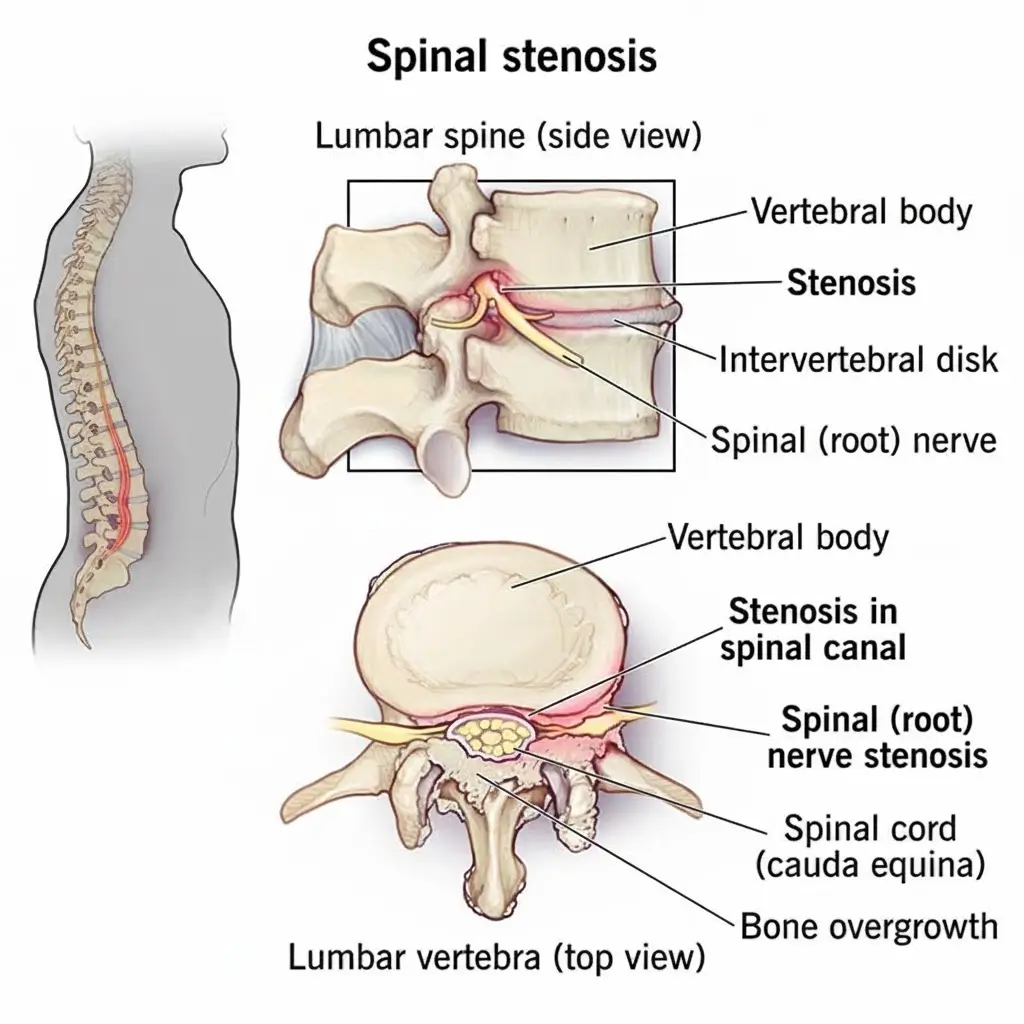
Spinal stenosis happens when spaces in your spine become narrow. This puts pressure on your spinal cord or nerves. Many people manage symptoms with medication, physical therapy, or injections. But surgery may be needed when symptoms get worse or do not improve.
Neurosurgery for spinal stenosis is usually considered when nerve pressure causes ongoing pain, weakness, or trouble walking. The goal of surgery is to relieve pressure on the nerves and protect long-term function. Early evaluation helps prevent permanent nerve damage and improves outcomes.
Symptoms That May Signal the Need for Surgery
Spinal stenosis symptoms often start slowly. They may worsen over time. You may manage early symptoms without surgery. But some signs suggest you may need a surgical evaluation.
Common symptoms include:
- Ongoing back or neck pain
- Pain that spreads to your arms or legs
- Numbness or tingling in your hands, arms, feet, or legs
- Muscle weakness
- Trouble standing or walking for long periods
- Loss of balance
More serious symptoms
Some symptoms need urgent medical attention. These include:
- Loss of bowel or bladder control
- Severe weakness in the arms or legs
- Sudden trouble walking
These signs may mean the nerves are under severe pressure. Surgery may be needed to prevent permanent damage.
When Nonsurgical Treatments Are No Longer Enough
Most people with spinal stenosis start with nonsurgical care. These treatments aim to reduce pain and improve movement. Surgery is usually not the first step.
Common nonsurgical treatments include:
- Pain or anti-inflammatory medications
- Physical therapy
- Steroid injections
- Activity changes
You may need neurosurgery if these treatments do not help after several weeks or months. Surgery may also be recommended if symptoms continue to limit your daily life. This includes trouble walking, working, or sleeping due to pain.
If nerve pressure keeps getting worse, waiting too long can lead to permanent nerve damage. A neurosurgeon can help decide the right timing based on your symptoms and imaging results.
Tests and Imaging That Help Guide the Decision
Your healthcare provider uses imaging tests to confirm spinal stenosis and measure nerve pressure. These tests help decide if surgery is needed.
Common tests include:
- MRI: Shows nerves, discs, and soft tissue. This is the most common test.
- CT scan: Provides detailed images of bone and spinal structure.
- X-rays: Show alignment, arthritis, or spine movement problems.
Your provider also reviews your symptoms and physical exam results. Imaging alone does not decide surgery. The results must match your symptoms. When nerve compression is clear and symptoms continue, neurosurgery may be the next step.
When Neurosurgery Is Recommended
Neurosurgery may be recommended when spinal stenosis causes ongoing nerve pressure. This pressure can lead to pain, weakness, or loss of function. Surgery is more likely if symptoms keep getting worse or affect your quality of life.
Your provider may suggest surgery if you have:
- Pain that does not improve with treatment
- Progressive weakness or numbness
- Difficulty walking or standing
- Nerve damage seen on imaging that matches your symptoms
The main goal of neurosurgery is to relieve pressure on the nerves. This can reduce pain and help restore movement. Your neurosurgeon will review your test results, health history, and daily limitations before making a recommendation.
Wondering what to expect at your first neurosurgeon appointment and how best to prepare? Learn detailed guidance and expert insights here to feel confident and informed before your consultation.
Types of Neurosurgery for Spinal Stenosis
The type of surgery depends on where the stenosis is and how severe it is. Your neurosurgeon chooses the approach that best relieves nerve pressure while protecting the spine.
Common surgical options include:
- Laminectomy: Removes part of the bone to create more space for nerves
- Laminotomy: Removes a small portion of bone instead of the full section
- Foraminotomy: Widens openings where nerves exit the spine
- Spinal fusion: Stabilizes the spine when there is instability
Many procedures can be done using minimally invasive techniques. These use smaller incisions and cause less tissue damage. Your surgeon will explain which option is right for you and why.
Recovery and Outlook After Surgery
Recovery after neurosurgery for spinal stenosis varies. It depends on the type of surgery and your overall health. Many people notice pain relief within weeks. Some improvement may continue for months.
What to expect during recovery:
- Short hospital stay or same-day discharge
- Gradual return to walking and daily activities
- Physical therapy to improve strength and movement
- Temporary limits on lifting or bending
Outlook
Most people have less pain and better function after surgery. Results are best when surgery is done before severe nerve damage occurs. Ongoing follow-up helps protect your spine and long-term mobility.
Risks and Considerations
All surgeries carry some risk, and spinal stenosis surgery is no different. Understanding these risks helps you make an informed decision.
Common risks include:
- Bleeding or infection at the surgical site
- Nerve injury or persistent symptoms
- Blood clots
- Reaction to anesthesia
- Need for additional surgery if symptoms return
Minimally invasive approaches may lower some risks, like muscle damage, blood loss, and recovery time. Your neurosurgeon will discuss your personal risk based on your health, age, and the type of procedure.
Even with risks, surgery can significantly improve quality of life when nonsurgical treatments are no longer effective.
Living With Spinal Stenosis After Surgery
After neurosurgery, following your provider’s instructions is key to a smooth recovery and long-term spine health.
Tips for living well after surgery:
- Follow activity restrictions, especially lifting, bending, or twisting
- Attend all physical therapy sessions to regain strength and flexibility
- Take medications as prescribed for pain or inflammation
- Watch for new or worsening symptoms and report them promptly
- Maintain a healthy weight and stay active within safe limits
Long-term, staying active, managing chronic conditions, and attending follow-up visits can help keep your spine healthy and reduce the risk of future problems.
Prevention and Ongoing Care
Spinal stenosis cannot always be prevented, especially if it is caused by age or genetics. However, you can reduce your risk of worsening symptoms and support long-term spine health.
Ways to support your spine:
- Maintain a healthy weight to reduce pressure on your spine
- Stay active with low-impact exercises, like walking, swimming, or cycling
- Practice good posture and body mechanics when sitting, standing, or lifting
- Manage chronic conditions, such as arthritis or diabetes
- Avoid smoking, which can affect bone and tissue health
Regular follow-up with your neurosurgeon or primary care provider helps monitor your spine and address issues early. Early intervention can prevent complications and improve quality of life.
Questions About Surgery and Recovery
How do I know if surgery is the right choice for me?
Your neurosurgeon will review your symptoms, physical exam, and imaging results. Surgery is usually recommended when nonsurgical treatments no longer relieve pain or improve function.
What is the recovery timeline?
Recovery can take weeks to months. Minimally invasive surgery often allows a faster return to daily activities, but full healing may take longer.
Will my symptoms completely go away?
Many people experience significant pain relief and improved mobility. Some may still have mild discomfort, especially if nerve damage was present before surgery.
Can spinal stenosis come back after surgery?
In some cases, spinal stenosis may recur at the same or a nearby level. Follow-up care, healthy habits, and regular check-ups can help reduce this risk.
What activities can I safely do after surgery?
Your surgeon and physical therapist will guide you. Walking, light stretching, and low-impact exercise are usually safe. Heavy lifting or high-impact activities may be restricted for a period.
A Note From Wong Spine
Neurosurgery for spinal stenosis can improve pain, strength, and quality of life for many patients. At Wong Spine in Beverly Hills, Dr. Albert Wong uses minimally invasive techniques to treat the spine with smaller incisions, less muscle damage, and faster recovery.
Dr. Wong carefully evaluates each patient to determine the safest and most effective approach. Surgery is only one part of care. Ongoing follow-up, physical therapy, and healthy lifestyle habits are important for long-term spine health.
If you are experiencing persistent back or leg pain, weakness, or difficulty walking, schedule a consultation with Dr. Albert Wong, spine surgeon in Beverly Hills. Early evaluation can help prevent permanent nerve damage and lead to better outcomes.