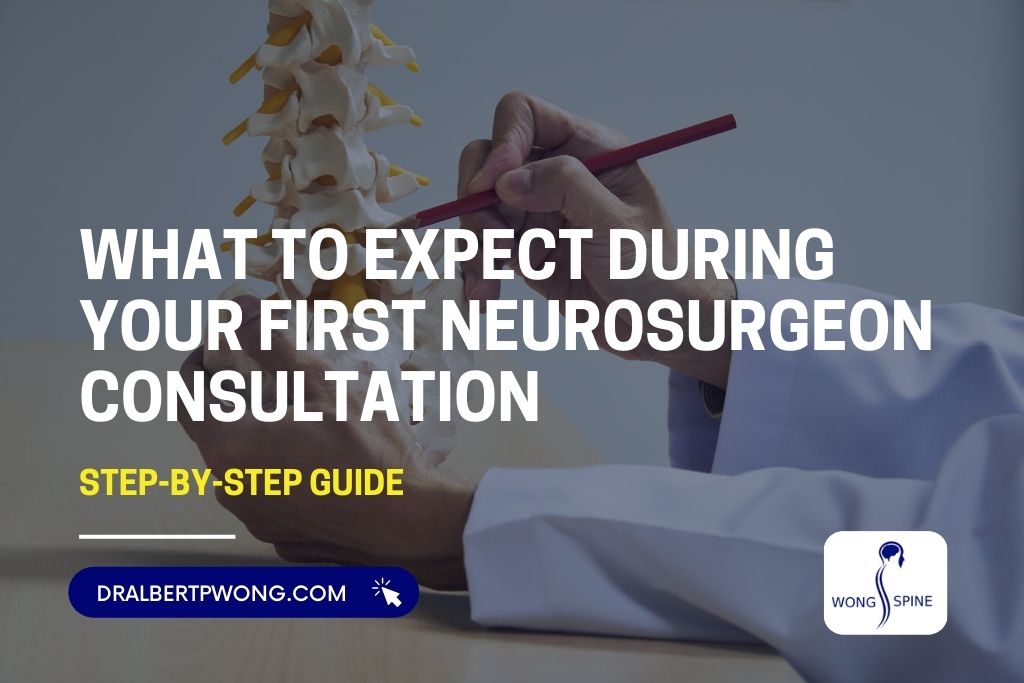
Your first visit with a neurosurgeon can feel stressful. This is especially true if you are dealing with a neurological condition. Knowing what to expect can help you feel more confident and prepared.
This guide explains what usually happens during the initial neurosurgeon consultation. It covers preparation, the visit itself, and follow-up care. We break the information into question-based sections to address common concerns. You will learn tips, what to anticipate, and how to get the most from your visit.
Whether you are seeing a neurosurgeon for back pain, a possible brain tumor, or another neurological issue, understanding the process can reduce anxiety and help you make informed decisions.
Questions to Ask Your Neurosurgeon
Your first consultation is an important chance to learn about your condition and care plan. Writing down questions before your visit helps you remember what you want to ask. A good list can guide your discussion and make sure you get clear answers.
Here are some helpful questions you can bring to your appointment:
Understanding Your Condition
- What is my diagnosis?
- What is causing my symptoms?
- How does this condition affect my daily life?
- Do you recommend more tests before deciding on treatment?
Treatment and Surgery Options
- Do I need surgery?
- What are all my treatment choices, including non‑surgical options?
- Why do you think this treatment is best for me?
- What could happen if I wait to decide?
Risks, Benefits, and Recovery
- What are the risks of surgery or other treatments?
- What benefits can I expect?
- How long will recovery take?
- Will I need rehabilitation, like physical therapy?
Experience and Planning
- How much experience do you have with this condition or surgery?
- How many times have you done this procedure?
- What should I do to prepare before treatment?
- Should I consider a second opinion?
Asking clear questions helps you understand your care and feel more in control of decisions about your health. You can also bring a trusted family member or friend to help take notes and remember answers.

What to Bring to Your First Neurosurgeon Consultation
Your first visit with a neurosurgeon will go more smoothly if you come prepared. Bringing the right information helps the doctor understand your medical history and symptoms. It also saves time and may prevent extra visits later.
Important Documents
- Valid ID like a driver’s license or photo ID.
- Your health insurance card(s).
- Referral form from your doctor, if needed by your insurance.
- Completed patient intake or medical history forms if you received them before the visit.
Medical Records and Tests
- Copies of imaging studies such as MRI, CT scans, or X‑rays. Bring the actual films or images on a disc or USB if possible.
- Reports from previous tests related to your neurological concerns.
- A list of current medications, including prescriptions, over‑the‑counter medicines, vitamins, and supplements.
- A list of known allergies.
Notes and Support
- A written list of your symptoms with details like when they started, how often they occur, and what makes them better or worse.
- A notebook or paper to write down what the doctor says and any new questions you think of.
- A family member or friend to go with you. They can help take notes and remember what the doctor tells you.
Bringing these items helps make your visit more productive. It allows the neurosurgeon to focus on your care and make informed recommendations.
What Happens During the Exam and Consultation
During your first neurosurgeon visit, the goal is to understand your health and symptoms. Here’s what to expect:
1. Review of Medical History
The neurosurgeon will ask about:
- Your current symptoms and when they started
- Past injuries or neurological issues
- Previous treatments or surgeries
- Medications, including over-the-counter and supplements
This helps the doctor get a complete picture of your condition.
2. Physical and Neurological Exam
The doctor will check how your nervous system is working. This may include tests of:
- Muscle strength
- Reflexes
- Sensation
- Balance and coordination
These tests help identify areas affected by nerve or brain issues.
3. Review of Imaging Tests
If you brought MRI, CT scans, or X-rays, the neurosurgeon will review them with you. They may explain what the images show and how they relate to your symptoms.
4. Discussion of Findings and Treatment Options
Based on your exam and history, the neurosurgeon will:
- Explain possible diagnoses
- Discuss causes of your symptoms
- Review treatment options, including surgery and non-surgical care
- Answer your questions about your condition and next steps
5. Additional Tests (if needed)
Sometimes, the neurosurgeon may order more tests before making a full care plan. These may be done the same day or at a later appointment.
6. Planning Follow-Up Care
At the end of your consultation, the doctor will outline your care plan. This may include follow-up visits, further testing, or treatment. You will leave with a clearer understanding of your condition and what comes next.
After Your First Consultation: Follow‑Up and Next Steps
After your first visit, the neurosurgeon will guide you on what to do next. This helps make sure you get the right care for your condition.
Follow‑Up Appointments
- The office may schedule another visit to review test results or begin treatment plans.
- You might get a letter or phone call with your results and next steps.
Additional Tests
- The neurosurgeon may order more imaging or other tests before planning treatment.
- These tests might be scheduled on the same day or at a later date.
Talking With Your Referring Doctor
- Your neurosurgeon will usually send a report to the doctor who referred you.
- This keeps all your care providers informed.
When Treatment Is Needed
- If the neurosurgeon suggests surgery or another treatment, you will discuss timing and preparation.
- You may be given instructions about tests, medications, or lifestyle steps before treatment.
What If Your Symptoms Change?
- If your symptoms suddenly get worse, call your neurosurgeon.
- Your care team will tell you what signs are important to report and how to reach them quickly.
Preparing for your next visit and following the neurosurgeon’s instructions can help you stay on track with your care plan and feel more confident about your health decisions.
Understanding Your Treatment Options
After reviewing your exam and test results, the neurosurgeon will discuss treatment options. Not everyone needs surgery. Many neurological conditions improve with non-surgical care.
Non-Surgical Treatment Options
Your neurosurgeon may recommend:
- Medications to reduce pain or inflammation
- Physical therapy to improve strength and movement
- Lifestyle changes, such as activity limits or posture changes
- Injections or other minimally invasive treatments
These options may help manage symptoms and avoid surgery.
When Surgery Is Recommended
Surgery may be needed if symptoms are severe or getting worse. It may also be recommended if imaging shows pressure on the brain, spine, or nerves. The neurosurgeon will explain:
- Why surgery is needed
- The goal of the procedure
- Expected benefits and risks
They will also discuss how urgent the surgery is.
Making an Informed Decision
Your neurosurgeon will answer your questions and explain each option clearly. You should feel comfortable taking time to decide. In some cases, a second opinion may be helpful.
Understanding your choices helps you take an active role in your care. The goal is to choose the safest and most effective treatment for your condition.
A Note From Wong Spine
At Wong Spine, Dr. Albert Wong specializes in minimally invasive and advanced neurosurgical techniques for the spine and nervous system. He carefully evaluates each patient to recommend the safest and most effective treatment.
Surgery is only one part of care. Ongoing follow-up, physical therapy, and healthy lifestyle habits are important for long-term spine health.
If you are experiencing persistent back or leg pain, weakness, or difficulty walking, schedule a consultation with Dr. Albert Wong, neurosurgeon in beverly hills. Early evaluation helps prevent permanent nerve damage and leads to better outcomes.
Conclusion
Your first consultation with a neurosurgeon is an important step in your care. The visit helps identify the cause of your symptoms and determine the best next steps. Knowing what to expect can reduce stress and help you feel more prepared.
Come to your appointment with questions and medical records. Be open about your symptoms and concerns. This helps your neurosurgeon create a care plan that fits your needs.
Whether treatment includes monitoring, non-surgical care, or surgery, your care team will guide you through each step. Understanding the process allows you to make informed decisions and take an active role in your health.
If symptoms change or worsen, contact your healthcare provider. Early communication supports better outcomes and safer care.