

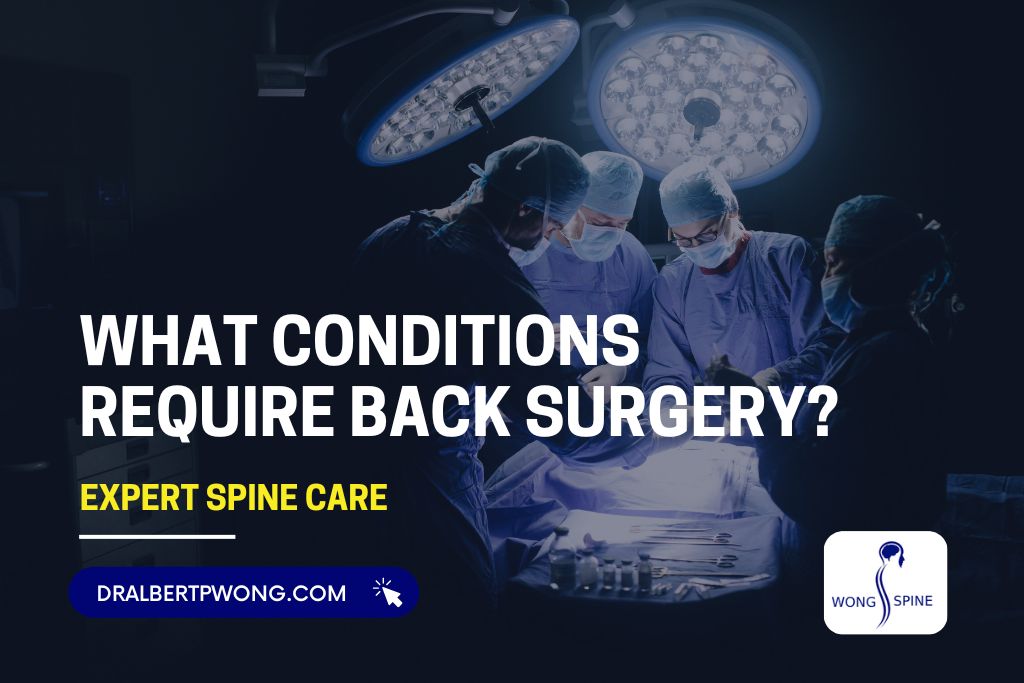
Back surgery is considered when non-surgical treatments fail to relieve pain or restore function. Most back problems improve with conservative care, but some conditions need surgery to correct structural issues, relieve nerve pressure, or stabilize the spine. Knowing these conditions helps patients recognize when surgery may be necessary.
What Is Back Surgery, and How Does It Work?
Back surgery includes procedures to treat spine problems. Depending on the condition, surgery may remove damaged tissue, realign vertebrae, or fuse spinal segments. The goal is to reduce pain, restore mobility, and prevent further damage.
Common types of back surgery:
- Spinal fusion: Joins two or more vertebrae to stabilize the spine.
- Discectomy: Removes a herniated or damaged disc.
- Laminectomy: Removes part of the vertebra to relieve nerve pressure.
- Foraminotomy: Enlarges openings where nerve roots exit the spine.
Surgeons consider age, overall health, symptom severity, and spinal anatomy when recommending surgery.
Common Conditions That May Require Back Surgery
Degenerative Disc Disease
Spinal discs wear down over time, causing pain, stiffness, or nerve compression. If physical therapy, medications, or injections fail, surgery may stabilize the spine or remove damaged discs.
Herniated Disc
A herniated disc occurs when soft inner material pushes through the outer layer, compressing nearby nerves. This can cause pain, numbness, or weakness in the back, arms, or legs. Surgery, such as a discectomy or fusion, may relieve nerve pressure.
Spinal Stenosis
Narrowing of the spinal canal can pinch nerves, causing leg pain, numbness, or weakness. Procedures like laminectomy or spinal fusion decompress nerves and restore mobility.
Scoliosis and Spinal Deformities
Severe curvature or deformities can affect posture, breathing, and comfort. Spinal fusion can correct alignment and stabilize the spine.
Spinal Fractures
Fractures from trauma or osteoporosis can destabilize the spine. Surgery may involve rods, screws, or vertebral replacement to support healing and prevent further injury.
Chronic Back or Neck Pain
Persistent pain that does not respond to non-surgical care may require surgery to address structural problems causing discomfort.
Tumors or Infections
Spinal tumors or infections can compress nerves or weaken vertebrae. Surgery may remove diseased tissue and stabilize the spine.
Risk Factors and Considerations
Not all back problems require surgery. Several factors determine whether surgery is necessary and which procedure is best.
Age and Overall Health
- Older adults or patients with chronic conditions (heart disease, diabetes, obesity, lung problems) face higher surgical risks.
- Surgeons evaluate overall health to ensure patients tolerate surgery safely.
Severity of Symptoms
- Surgery is considered when pain, weakness, or nerve symptoms limit daily activities.
- Persistent numbness, tingling, or mobility issues may indicate nerve compression or spinal instability.
Failure of Conservative Treatment
- Most back problems are treated first with physical therapy, medications, injections, or lifestyle changes.
- Surgery is considered only if these treatments fail.
Spinal Stability and Anatomy
- Fractures, severe disc degeneration, or deformities like scoliosis can destabilize the spine.
- Imaging (X-rays, CT, MRI) helps plan the procedure.
Activity Level
- Active patients or those with physically demanding jobs may need surgery sooner to restore function and prevent further injury.
- Activity goals guide decisions on procedure type, fusion extent, or motion-preserving alternatives.
Bone Quality and Healing Potential
- Low bone density or osteoporosis increases risks like hardware failure or incomplete fusion.
- Preoperative testing guides surgical technique and post-surgery care.
Psychological and Social Factors
- Recovery requires following rehab, activity restrictions, and follow-up care.
- Strong social support, realistic expectations, and mental readiness improve outcomes.
Medications and Allergies
- Blood thinners, anti-inflammatory drugs, or allergies may affect surgery or healing.
- Doctors review medications and allergies to reduce risk and adjust care plans.
Key Takeaway: Surgery decisions depend on age, health, symptoms, spinal stability, activity level, bone quality, and readiness. Discuss concerns with your doctor to choose the safest, most effective approach.
Supporting Recovery and Reducing Risks
Proper care before and after back surgery helps improve healing, reduce complications, and restore function. Following medical guidance also supports safer recovery and better long-term outcomes.
Follow Your Surgeon’s Instructions
- Avoid bending, twisting, and heavy lifting until cleared.
- Take medications as prescribed.
- Use braces or supports if recommended.
- Follow approved movement and activity guidelines.
Attend Follow-Up Appointments
- Allows doctors to check healing progress.
- Identifies complications early.
- Guides when it is safe to return to work, exercise, and daily tasks.
Start Rehabilitation as Directed
- Physical therapy strengthens muscles.
- Restores movement and stability.
- Helps prevent stiffness and future injury.
Care for the Surgical Site
- Keep the incision clean and dry.
- Watch for redness, swelling, warmth, or drainage.
- Contact your doctor if changes appear.
Support Healing with Healthy Habits
- Eat balanced meals with protein, calcium, and vitamins.
- Stay hydrated.
- Avoid smoking and limit alcohol, as both slow healing.
- Get enough rest and pace activity levels.
Warning Signs Requiring Immediate Medical Attention:
- Severe or worsening pain.
- Fever or chills.
- New numbness, tingling, or weakness.
- Excessive swelling, bleeding, or drainage at the surgical site.
Key Point:
Recovery works best with consistent follow-up care, proper wound care, guided movement, and healthy lifestyle choices. This approach supports healing, protects the spine, and helps patients safely return to daily life.
Preparing for Back Surgery
Good preparation supports safer surgery and smoother recovery.
Pre-Surgery Evaluation
- Medical history review.
- Imaging tests (X-ray, MRI, CT).
- Lab work as needed.
- Discussion of anesthesia and procedure details.
How to Prepare
- Stop smoking to improve healing.
- Maintain a healthy diet.
- Arrange help at home for the first few weeks.
- Plan transportation, as driving is restricted initially.
What to Discuss With Your Surgeon
- Procedure goals and expected outcomes.
- Possible risks and complications.
- Recovery time and activity limits.
Long-Term Outlook
Many patients experience improved pain relief, mobility, and quality of life after appropriate back surgery. Outcomes depend on the condition, overall health, surgical method, and commitment to rehabilitation.
Possible Long-Term Benefits
- Reduced pain.
- Better movement and posture.
- Improved ability to perform daily tasks.
Possible Long-Term Challenges
- Some stiffness or motion limits.
- Adjacent spinal stress after fusion.
- Occasional need for additional treatment.
Follow-Up Care Matters
- Routine checkups.
- Ongoing strengthening exercises.
- Healthy lifestyle habits to protect the spine.
Prevention and Spine Health Tips
Healthy lifestyle choices help reduce the risk of worsening spinal issues and support long-term back health.
Daily Habits
- Maintain good posture.
- Use proper lifting techniques.
- Stay active with safe, doctor-approved exercise.
Weight and Nutrition
- Maintain a healthy weight.
- Choose balanced meals with adequate protein, calcium, and vitamins.
Avoid Risk Factors
- Do not smoke.
- Limit heavy repetitive lifting when possible.
FAQ
Do all patients with back pain need surgery?
No. Most back pain improves with physical therapy, medication, exercise, or injections. Surgery is considered when symptoms persist, worsen, or cause nerve problems.
What signs may indicate the need for back surgery?
- Ongoing pain that limits daily activities.
- Numbness, tingling, or weakness in arms or legs.
- Difficulty walking or standing.
- Structural problems shown on imaging.
- Loss of bladder or bowel control requires emergency care.
Is back surgery always successful?
Many patients experience pain relief, improved mobility, and a better quality of life. Results depend on diagnosis, overall health, severity of the condition, and adherence to recovery plans.
How long does recovery take?
Recovery time varies by procedure and patient health. Some patients recover in weeks, while others need months. Follow-up visits and physical therapy support safer healing.
Are there risks with back surgery?
Possible risks include infection, nerve irritation, blood clots, hardware problems, or incomplete relief of symptoms. Doctors discuss risks before surgery.
Can conservative treatment still help if surgery is recommended?
Yes. Some patients continue therapy, exercises, or injections to manage pain. Surgeons often encourage maximizing non-surgical care before choosing surgery.
When should I call my doctor after surgery?
Call your surgeon if you have:
- Severe or worsening pain.
- Fever or chills.
- New numbness or weakness.
- Redness, drainage, or swelling at the incision.
Will I regain full movement after back surgery?
Movement often improves, but some procedures; such as fusion; limit motion at the treated area. Physical therapy helps restore strength and safe mobility.
Important: This information is educational and not a substitute for medical advice. Always consult a qualified healthcare professional for evaluation and treatment.
Treatment at Wong Spine
At Wong Spine, patients receive personalized care for spine conditions, including herniated discs, spinal stenosis, scoliosis, and chronic back pain. Our team offers both non-surgical and surgical treatments designed to relieve pain, restore mobility, and improve quality of life, supported by advanced diagnostics and tailored rehabilitation plans.
Our neurosurgeon in Los Angeles provides expert care for complex spinal issues, including spinal fusion, discectomy, and laminectomy. Combining surgical skill with compassionate care, Wong Spine helps patients recover safely and return to daily activities with improved function and less discomfort.